Beginner’s Guide to Golf: How to Practice Smarter, and Find Purpose in Each Game
Golf can look complicated from the outside. There are clubs with strange names, rules that seem to multiply in the rough, and enough advice online to make a new player freeze before the first swing. But the truth is simpler than the mythology: golf begins with a club, a ball, a patch of grass, and the small thrill of catching one clean.
That is where every golfer starts.
Some start young. Some start late. Some arrive because a friend invited them. Some come looking for a competitive outlet, a walk outdoors, or a game they can keep chasing for decades. However you find your way in, the early goal is not perfection. It is familiarity. Learn what the clubs do. Learn how the game moves. Learn how to practice without turning every range session into a referendum on your talent.
Golf has room for the first-timer and the low-handicap purist alike. The beginner needs a path into the game. The experienced player, if they are honest, usually benefits from returning to the basics once in a while.
Why golf keeps people coming back
Golf asks for patience, problem-solving, touch, nerve, and a sense of humor. One hole can humble you. The next can make you feel like you have discovered something permanent. That mix is part of the appeal.
It is also one of the few games you can play for years, across changing seasons of life, at different skill levels, and with people whose games look nothing like your own. For beginners, that means you do not need to “arrive” before you belong. You can start as you are.
What you need to start playing golf
A beginner does not need a tour bag full of equipment. In fact, the Rules of Golf allow up to 14 clubs, but you do not need anywhere near that many to begin. A player may start with fewer than 14 and add clubs up to that limit, subject to the rule’s restrictions.
A practical starter setup looks like this:
A club for tee shots, often a driver or fairway wood
A hybrid or a couple of irons for longer shots
A wedge for short shots around the green
A putter for the green
That is enough to learn the game without drowning in choices. Golf instruction sources aimed at beginners commonly emphasize starting small instead of overcomplicating the bag.
You will also want:
Golf balls
Tees
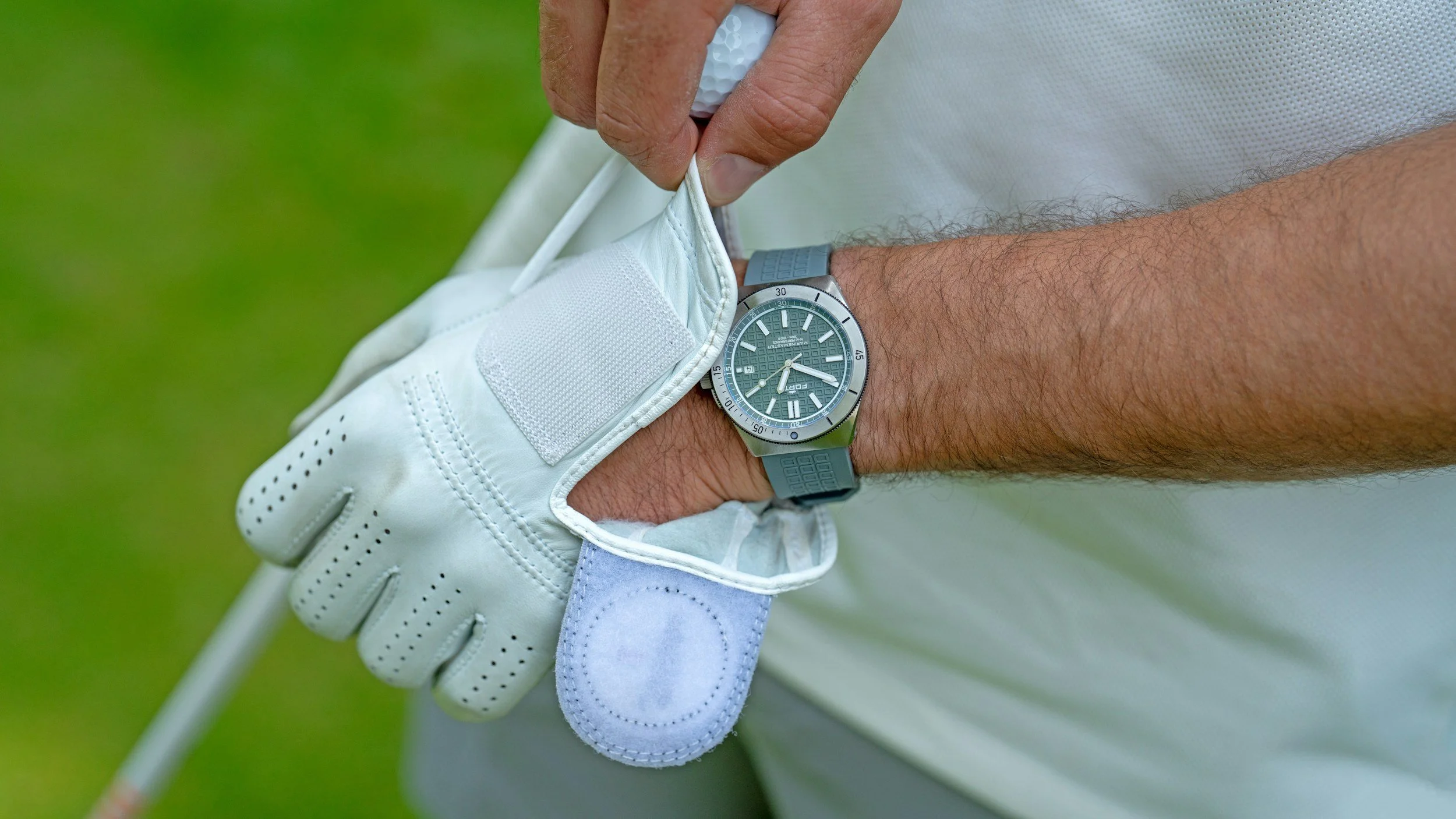
A glove if it helps your grip and comfort
A bag
A towel
Comfortable clothes that let you turn and move freely
You do not need elite gear to begin. What matters most at first is equipment that is playable, comfortable, and simple to understand.
Related: The Health Benefits of Golf: Why the Game Is Good for Body, Mind, and Longevity
Understanding the basic golf clubs
The clubs are not random. Each one is built for a job.
Driver
The driver is usually used on longer tee shots. It is designed to send the ball the farthest. Beginner-focused equipment guides often note that more loft can make drivers easier to hit for newer players.
Fairway woods
These are long-distance clubs that can be useful off the tee or from the fairway. They are often easier to manage than a driver for some players.
Hybrids
Hybrids blend traits of woods and irons. For many beginners, they are friendlier than long irons and easier to launch into the air.
Irons
Irons are the workhorses of the game. Lower-numbered irons generally fly farther; higher-numbered irons generally launch higher and go shorter. As loft increases and shaft length decreases, the ball tends to come down more steeply.
Wedges
Wedges are for shorter shots, chips, pitches, bunker shots, and approach shots that need height and control.
Putter
The putter is for rolling the ball on the green. It may not be glamorous, but it decides an enormous amount of scoring.
Golf terms every beginner should know
If golf language has ever sounded like a private club handshake, here is the plain-English version:
Stroke or shot: One swing intended to strike the ball
Par: The expected number of strokes for a skilled player to finish a hole
Birdie: One under par on a hole
Bogey: One over par on a hole
Double bogey: Two over par
Eagle: Two under par
Ace or hole-in-one: The ball goes in the hole with one stroke
These terms show up everywhere, but do not let them crowd your mind too early. At first, the game is less about vocabulary and more about learning what a solid strike feels like.
How to start learning golf without getting overwhelmed
One of the best beginner lessons is almost annoyingly simple: do not begin by trying to manufacture a perfect swing. Beginner instruction from teaching outlets often recommends starting with motion, balance, and contact before getting lost in mechanical detail.
That means:
Make athletic, balanced swings
Learn to hit the ground in the right place
Focus on contact before aesthetics
Let repetition teach you what the club does
There is a temptation in modern golf to treat every swing like a laboratory problem. Sometimes that helps. Often, especially early, it does not. A beginner needs movement, rhythm, and enough freedom to discover the game before trying to solve it.
Should beginners take golf lessons?
Yes, lessons can help, especially if you want to build sound habits early. But they are not the only doorway in.
Many players benefit from a mix of:
A few beginner lessons
Driving range sessions
Time on a short course or par-3 course
Watching reliable instruction from established golf organizations and coaches
Playing casual rounds without worrying too much about score
The most useful instruction gives you one or two clear priorities, not 14. If a lesson leaves you with a head full of positions and no idea how to swing, it missed the point.
Where beginners should practice first
A lot of new golfers think the path starts with trying to bomb drivers. That is understandable. It is also usually backwards.
Beginner guidance from PGA sources recommends learning from the green backward: putting, then chipping, then short pitches, and then fuller swings. The logic is straightforward. Short shots teach feel, contact, and control with less frustration than trying to stripe full shots immediately.
A smart practice progression looks like this:
1. Putting
Learn how to start the ball on line and judge distance. Even strong ball-strikers bleed shots on the green.
2. Chipping
Short chips teach you how the club interacts with the turf and how a shorter motion can still produce a useful shot.
3. Pitching
These slightly longer finesse shots help bridge the gap between the short game and fuller swings.
4. Half-swings and controlled irons
Before trying to hit everything hard, learn to strike the middle of the face with manageable swings.
5. Tee shots
Once you can create decent contact, the longer clubs become less intimidating.
Related: Common Golf Questions, Answered: A Straightforward Guide for New Players and Lifelong Golfers
How often should you practice golf?
Consistency matters more than marathon sessions.
Three focused sessions a week of 30 to 45 minutes often beat one long session where you hit balls until your hands are tired and your brain turns to static. A productive golf practice session should have intent:
Start with a specific goal
Use one or two drills at most
Switch clubs with a purpose
Finish with target-based practice
Spend time on putting and chipping, not just full swings
For more experienced players, the same principle holds. Repetition helps, but meaningful repetition helps more.
Golf etiquette for beginners
Golf etiquette is not decoration. It is part of how the game works.
A few essentials:
Arrive early enough to check in and settle down
Be still and quiet when someone is hitting
Stand in a safe place, generally behind the player
Keep up with the pace of play
Repair ball marks and care for the course
Rake bunkers if required at the facility
Be aware of where your bag, cart, and shadow are
Official and instructional sources alike stress prompt play and course care because both affect everyone on the property. The Rules encourage “ready golf” in stroke play when done safely and responsibly, and modern pace-of-play guidance recommends planning ahead and keeping pre-shot routines efficient.
That last point matters. Nobody expects a beginner to play flawless golf. Everyone appreciates a beginner who keeps moving, pays attention, and respects the course.
What is ready golf?
Ready golf means playing when you are ready, as long as it is safe and responsible, rather than obsessing over strict honors and turn order in casual stroke play. The USGA specifically encourages this approach to help pace of play.
In practical terms, that means:
Hit when you are ready and it is safe
Walk briskly between shots
Think about your next shot while others are playing
Limit excessive practice swings
Be prepared when it is your turn
Golf becomes more enjoyable for everybody when the day has a rhythm.
What beginners should wear to play golf
Dress codes vary, but comfort and mobility matter most. Breathable clothing, weather-appropriate layers, and shoes with stability are a good foundation. Some facilities do have dress expectations, so it is wise to check in advance. Beginner guides commonly recommend comfort first, with local dress policies in mind.
You do not need to dress like a touring professional. You do need to wear something that lets you move freely and play without distraction.
What score should a beginner expect in golf?
A new player should expect inconsistency. That is normal. In golf, the early milestone is not scoring well. It is making cleaner contact, finding a few repeatable shots, understanding how to get around the course, and finishing rounds without feeling rushed or defeated.
There are rounds where the game feels impossible until one swing arrives out of nowhere and keeps you interested for another month. That is golf. It gives just enough back to ask for your return.
Common beginner mistakes in golf
Trying to swing too hard
Effort is good. Over-effort is usually expensive.
Buying too much equipment too soon
A bigger pile of clubs does not create a better motion.
Ignoring the short game
Putting and chipping are where confidence often begins.
Practicing without a goal
Mindless range sessions can reinforce bad habits.
Playing too fast mentally, too slow physically
New golfers often rush the swing but drag the round. A calmer swing and better pace are a nice combination.
Expecting instant progress
Golf is learned in layers. The game gets better when your expectations become more durable.
How seasoned players can benefit from beginner golf basics
The funny thing about golf is that advanced players are rarely far from elementary truths:
Balance still matters
Contact still matters
Tempo still matters
Course management still matters
The short game still saves scores
The player who stays patient usually beats the one who panics
That is why beginner lessons are not just for beginners. The fundamentals do not expire. They just become easier to ignore.
The best way to enjoy golf long term
Start small. Play often enough to stay familiar. Practice the short game. Learn basic etiquette. Keep the bag simple. Take a lesson if you need one. Laugh when the game asks for humility. Keep going.
The game has a way of meeting you where you are. One day you are simply trying to make contact. Another day you are learning how to flight a wedge. Later, maybe, you are thinking your way around a round instead of just surviving it.
That is part of the beauty of golf. It does not run out of layers.
And all of it starts with one clean strike that feels better than it should.
FAQs About Golf for Beginners
How many clubs do I need as a beginner golfer?
You can keep it simple. Even though the Rules allow up to 14 clubs, a beginner can learn a lot with a small set that includes a tee club, one or two longer clubs, a wedge, and a putter.
Do I need golf lessons before I start playing?
Not necessarily. Lessons can help, but many beginners start with the driving range, a short course, or casual rounds and add instruction as they go. Beginner-focused instruction often recommends learning movement and contact before becoming overly mechanical.
What is the easiest club to hit for beginners?
For many new players, hybrids and shorter irons feel easier to control than long irons or a low-lofted driver. They tend to help get the ball airborne with less stress.
Should beginners practice putting or full swings first?
Putting and short-game practice are often the best starting points. PGA beginner guidance specifically recommends learning from the green backward because it reduces frustration and builds feel.
What is golf etiquette for new players?
Show up on time, stay quiet when others hit, stand in safe places, keep pace, and take care of the course. Prompt play and course care are core parts of a good golf experience.
What does ready golf mean?
Ready golf means playing when you are ready, as long as it is safe and responsible, to help keep the round moving. The USGA encourages this approach in stroke play.
Do I need expensive golf equipment to start?
No. A beginner can start with a simple, affordable setup, including used clubs if needed. The best first equipment is equipment that fits your budget and helps you learn without overcomplication.
What should I wear to play golf?
Wear comfortable, breathable clothing that allows a full swing and check the facility’s expectations in advance. Some places are casual, and others are stricter.
How long does it take to get decent at golf?
That depends on how often and how purposefully you practice. Most golfers improve fastest when they practice consistently, keep expectations realistic, and give real attention to the short game.
External Sources
Recent Writings