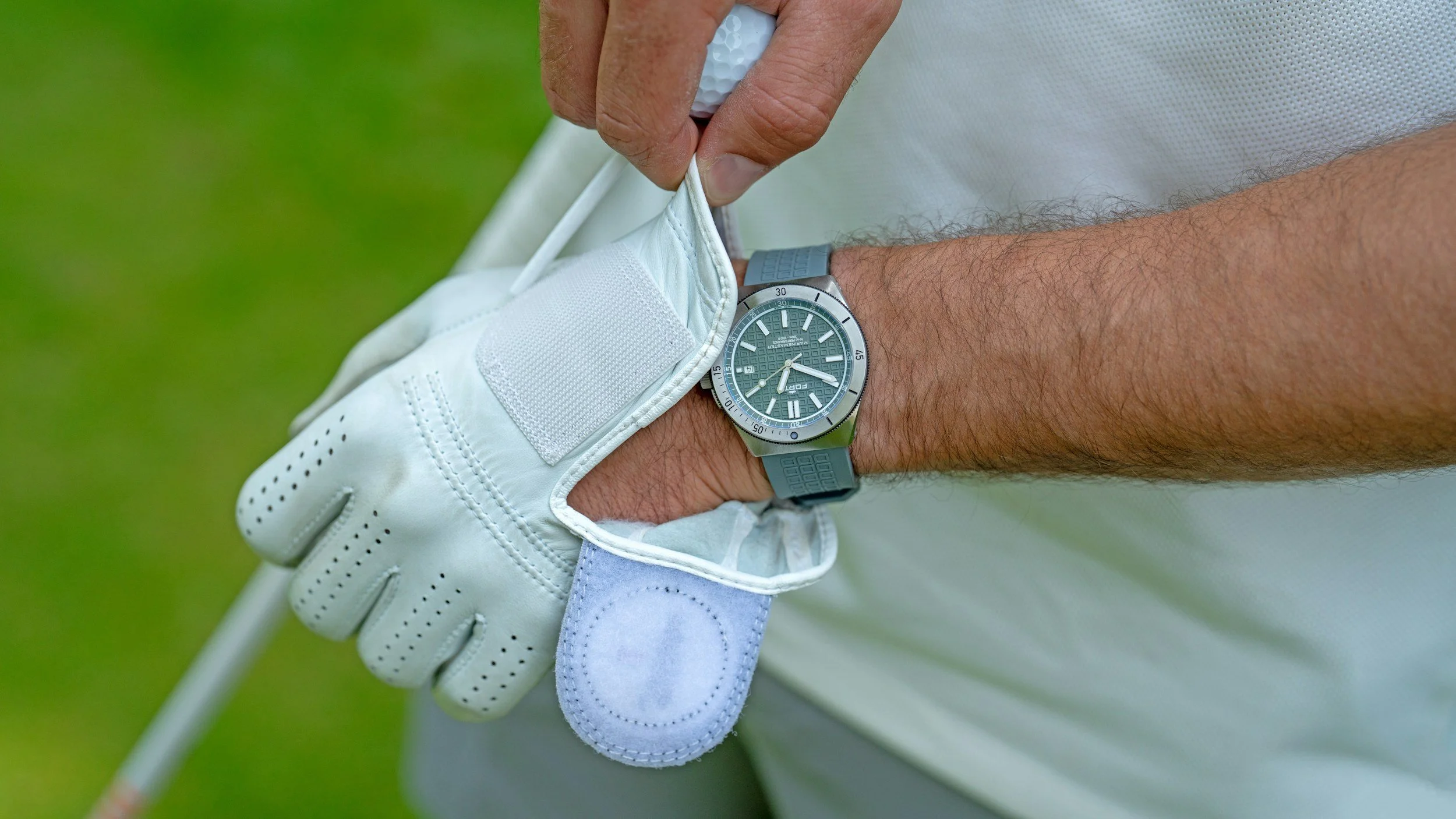
What to Wear for Golf as a Beginner
There is a special kind of ambition in a first-round outfit. It says, before a ball is even teed, I belong here. I may not know much yet, but I came prepared. And that matters in golf, because the game has always asked for a little self-possession before it offers any mercy.
The good news is that beginner golf clothing does not have to be expensive, fussy, or country-club theatrical. It just has to do three jobs well: let you move, keep you comfortable, and help you look like someone who understands that golf is a game of respect as much as motion. Most starter outfits come down to a clean shirt, comfortable shorts or pants, practical shoes, and a few smart extras for weather and sun.
Start With Comfort, Then Add Polish
A beginner’s first mistake is often thinking golf clothing is mainly about tradition. It is not. At its best, golf attire is functional. You are turning, bending, walking, reaching, and swinging for hours. Clothing that pinches, rides up, or traps heat will remind you of itself all day, which is exactly what good golf clothing should never do.
That is why the safest starting point is simple: wear something neat, breathable, and easy to move in. A polo or other clean athletic top that fits the setting, paired with tailored shorts, golf shorts, chinos, joggers, or lightweight pants, will usually carry you just fine. The point is not to dress like a tour player. The point is to look put together without dressing in a way that fights your swing. PGA guidance also emphasizes value, comfort, and mix-and-match basics rather than building a wardrobe around high-cost pieces.
The Easiest Safe Outfit for a Beginner
If you want the plain answer, here it is:
A collared shirt or clean golf-appropriate athletic top
Shorts or pants with some stretch
A belt if your outfit calls for one
Flat, comfortable shoes with traction
A hat or visor on sunny days
Light outerwear if the weather may turn
That outfit works because it is hard to get in trouble with it. It is tidy, flexible, and close to what many facilities expect from everyday players. Beginners are often overthinking this. You do not need a giant closet. You need one outfit that lets you swing freely and keeps you from feeling underdressed on the first tee.
Shirts: Keep It Clean, Breathable, and Course-Ready
The shirt is the piece most likely to cause second thoughts in the parking lot. The best beginner choice is a collared shirt, because it is still the most broadly accepted option across many golf settings. If you are trying to avoid uncertainty, that is the move.
Look for fabric that breathes and stretches. Golf is played under sky, not studio lights. Heat builds. Sweat happens. A shirt that wicks moisture and moves with you is not vanity; it is practical equipment. Avoid anything too heavy, too tight, or too casual-looking for the setting. The goal is to look ready without seeming like you wandered over from the gym or the couch.
Pants or Shorts: Freedom Matters More Than Fashion
Beginners tend to worry about what is “allowed,” but the better question is what helps. You want bottoms that let you rotate without resistance and walk without irritation. Stretch fabric is your friend. Lightweight pants are excellent in cooler weather. Tailored shorts are a strong option in the heat. Athletic joggers can work in more relaxed settings if they are clean and presentable.
What you should generally avoid is anything restrictive, heavy, or distracting. If you have to tug at it after every swing, it is the wrong choice. Golf already provides enough small humiliations. Your clothing should not volunteer for the job.
Shoes: You Do Not Need to Overthink the First Step
One of the great beginner anxieties is footwear. People imagine they need specialized shoes before they have even learned to make clean contact. Not necessarily.
For first lessons, early practice, or casual beginner play, flat-bottomed athletic sneakers can be enough, especially if they are comfortable and offer decent grip. As you play more, golf shoes become more useful because they are built for stability, traction, and long walks over uneven ground. PGA footwear guidance also stresses proper fit, which matters more than chasing a flashy pair that looks good in the box and feels dreadful by the sixth hole.
Layers Win More Rounds Than Style Does
Golf is one of those sports where the weather can age a person emotionally before the turn. A morning chill becomes midday warmth. Wind comes uninvited. Light rain appears like a rumor that turned true.
So dress in layers. A light quarter-zip, pullover, or vest is smarter than one bulky outer layer that restricts your swing. PGA guidance for cooler-weather golf specifically recommends several loose-fitting layers rather than heavy, tight outerwear, because the latter can interfere with motion. For beginners, this is useful not only for comfort but for confidence. It is easier to settle into the round when your body is not busy negotiating with the weather.
Sun Protection Is Not Optional Just Because Golf Feels Leisurely
Golf can feel gentle right up until you realize you have been outside for four hours with the sun working on you like a slow argument. That is why a hat, sunglasses, sunscreen, and sun-aware clothing belong in the beginner conversation.
The American Academy of Dermatology recommends shade when possible, sun-protective clothing, UV-protective sunglasses, and broad-spectrum water-resistant sunscreen with SPF 30 or higher, reapplied every two hours or after sweating. For golfers, that advice is not theoretical. The head, neck, arms, and lower legs all tend to get steady exposure outdoors. A hat and sunscreen are not accessories. They are part of a sensible golf kit.
Dress Code Matters, but So Does the Spirit of the Place
There is no single beginner outfit that fits every golf facility. Some places are relaxed. Some are old-school. Some care deeply about presentation. Some mostly care that you are respectful and not wearing something wildly out of step with the day.
The smartest beginner move is to check ahead. That tiny bit of homework can save a lot of awkwardness. And it fits the larger spirit of the game anyway. The modern Rules of Golf still frame the game around player conduct, self-governance, and respect for the course and others. Clothing is not the whole of that spirit, but it is often your first visible sign that you understand it.
What Not to Wear for Golf as a Beginner
Here is the simple version of what usually causes trouble:
Clothing that is too tight to swing in
Heavy fabrics that trap heat
Shoes with poor traction
Anything sloppy enough to make you feel out of place
Outfits better suited to lounging, lifting, or running errands
Outerwear so bulky it changes your swing
That last one matters more than beginners think. A round of golf is hard enough without trying to swing through a jacket that feels like upholstery.
The Real Goal of a Beginner Golf Outfit
In the end, beginner golf attire is not about looking rich, traditional, or polished for its own sake. It is about removing one more obstacle from a game already crowded with them.
The right outfit keeps you from fiddling. It keeps you from apologizing for yourself. It lets you focus on the shot, the walk, the conversation, the odd beauty of the thing. You do not need to look like you have played for twenty years. You need to look like you came ready to learn.
And that, in golf, is a fine way to begin.
FAQs
What should a beginner wear to golf?
A beginner should wear a clean, comfortable outfit that allows easy movement, usually a collared shirt or golf-appropriate athletic top, paired with shorts or pants that have some stretch, plus comfortable shoes with traction.
Can beginners wear sneakers for golf?
Yes. For first lessons, practice sessions, and some casual rounds, flat-bottomed athletic sneakers can work. As you play more often, golf shoes become more useful for traction, stability, and walking comfort.
Do I need a collared shirt for golf?
A collared shirt is still the safest beginner choice because it is widely accepted and reduces the chance of dress-code issues. Some facilities may allow other athletic tops, but checking ahead is wise.
Can I wear shorts to a golf course?
Usually, yes. Tailored shorts or golf shorts are commonly accepted, especially in warm weather. The key is that they should look neat and allow free movement.
What kind of pants are best for beginner golfers?
Lightweight pants, chinos, golf pants, or clean joggers with stretch are good choices. The best golf pants are breathable, comfortable, and do not restrict your turn or follow-through.
Should beginners buy golf shoes right away?
Not always. If you are just starting, regular athletic shoes may be fine for early sessions. Golf shoes are a good upgrade once you know you will keep playing and want more traction and support.
What should I wear for golf in cold weather?
Wear light, flexible layers instead of one heavy jacket. A pullover, vest, or quarter-zip over a breathable base layer works better because it helps you stay warm without restricting your swing.
Is sun protection important when golfing?
Yes. Golfers spend long stretches outdoors, often with repeated exposure to sun on the head, neck, arms, and legs. A hat, sunglasses, sun-protective clothing, and SPF 30+ sunscreen are smart essentials.
Do all golf courses have the same dress code?
No. Expectations can vary from one facility to another. Checking the dress code before you arrive is the easiest way to avoid surprises.
External Sources
Recent Writings