What to Do Before a Round of Golf
There is a certain hush before a round begins. Not silence, exactly. More the low rustle of zippers, the knock of a club returned to a bag, the sound of somebody testing the morning with a half-swing and a thought. It is one of the small pleasures in golf, this time before the first tee shot, when the day still feels unspent and every player, from the true beginner to the old hand, is allowed a little optimism.
What you do in that window matters.
A good pre-round routine does not need to look grand or complicated. It does not require a tour-level warm-up, a private trainer, or a yardage book covered in cryptic notes. It simply needs to put you in the right state to play: loose in the body, steady in the mind, clear about the kind of round you are trying to have. Golf is difficult enough without arriving rushed, tight, dehydrated, or halfway surprised that you are supposed to hit a moving life out of a still ball.
The best thing a player can do before a round is prepare with intention.
Arrive Early Enough to Stop Feeling Late
This may be the most underrated golf tip there is. A player who arrives in a scramble often plays like a person in a scramble. The swing gets snatched from the top. The first tee feels like an interruption instead of a beginning. The round starts before the player has actually arrived in it.
Give yourself time. Time to park. Time to check in. Time to put your shoes on without treating the laces like an emergency. Time to hit a few shots, roll a few putts, take a breath, and remember that golf is not a sprint to the opening tee marker.
For a beginner, extra time settles the nerves and removes some of the mystery. For the experienced player, it creates rhythm. For everybody, it lowers the chance that the first hole becomes a warm-up disguised as a score. A repeatable routine, along with food, snack, and hydration habits, is part of staying physically ready to play.
Check the Bag Before You Check Your Swing
Before you think about mechanics, make sure the simple things are in order.
Do you have enough balls? Tees? A glove that is still alive? A ball marker? A rangefinder if you use one? Water? Rain gear if the weather looks uncertain? Sunscreen if the sky is honest and bright? It is remarkable how often a round begins with somebody borrowing a tee, hunting for a marker, or discovering on the second hole that the extra glove was last seen three months ago in a trunk.
This is not glamorous golf advice, but it is real golf advice. A prepared bag creates a calmer mind. Golf asks for enough problem-solving as it is. There is no need to manufacture more of it before the round begins.
Pick the Right Tees for the Day You Are Actually Going to Have
Pride has ruined many pleasant rounds. One of the smartest things you can do before playing is choose tees that match your game, your current form, and the kind of day you want. Tee selection has a direct effect on enjoyment and pace of play, and modern guidance from the game’s governing bodies encourages players to choose tees based on how they actually hit the ball, not how they wish they did.
Beginners often make the game harder than it needs to be by starting too far back. More experienced players do it, too, though they often call it tradition or competitiveness or one of those handsome lies golfers tell themselves. The right tee does not make golf lesser. It makes golf playable. It gives approach shots a fighting chance. It helps you see the architecture of the hole instead of just its punishments.
A round from the proper tees moves better, feels better, and teaches better.
Warm Up Like an Athlete, Not a Statue
One of golf’s enduring deceptions is that it looks gentle. Then somebody makes a full swing and asks the body to rotate, stabilize, and produce speed in a sequence that is anything but casual. Sports medicine guidance and golf performance resources both treat the swing as an athletic movement, which is why a proper warm-up matters. A good warm-up and strength routine can improve sequencing and reduce strain, particularly in the back.
That means do not go from the parking lot to a driver swung at full tilt.
Walk a little. Loosen the shoulders. Wake up the hips. Get the chest turning. Let the hands feel a club. If possible, raise the heart rate just a touch before you begin making golf swings. Even a brisk walk can help. Sports medicine guidance also recommends warming up before stretching and improving mobility in the hips and upper spine to reduce stress on the lower back.
For the beginner, this helps the body feel less foreign. For the skilled player, it helps the swing arrive in order. For everyone, it is better than asking the first violent move of the day to happen with a cold back and sleepy hips.
Start the Range Session Small
There is an old temptation on the practice tee: pull the longest club in the bag and try to announce yourself to the morning. Resist it.
A smarter pre-round range session begins with shorter clubs, smaller swings, and cleaner contact. Guidance from golf instruction sources recommends starting with wedges before building toward longer clubs. The point is not to impress anyone. The point is to let the swing come to you in sequence.
Hit a few little wedge shots. Feel the strike. Listen for something crisp. Then move through the bag with purpose. You do not need to hit everything. In fact, many players would benefit from hitting fewer balls with more attention.
A pre-round range session is not the place to rebuild a golf swing from the foundation. It is not the moment for a desperate laboratory of swing thoughts. It is a place to find one feeling you can trust. One cue. One tempo. One simple reminder. That is enough.
Practice the Shots You Will Actually Need
This is where better golfers and improving golfers tend to separate themselves from golfers who merely beat balls. Do not turn the warm-up into a random recital. Use it to rehearse the round ahead.
That means a few wedges, yes. A few mid-irons. Something off the tee. Maybe one fairway wood or hybrid if that club matters to your day. Pick targets. Change targets. Golf instruction guidance recommends avoiding aimless practice and focusing on specific targets and a specific session purpose.
If you know the opening hole asks for a controlled tee shot, rehearse control, not heroics. If the greens are quick, spend more time with pace on the putting green. If the bunkers are fluffy, let your eyes notice that before you discover it in competition with a card already stained.
Warm-up should narrow the day, not clutter it.
Spend Time on the Putting Green
Nothing steadies a golfer like seeing a few putts fall or feeling the correct pace in the hands. The putting green is where you learn the day’s tempo. Not the exact line on every putt you will face, of course. Golf does not grant that kind of mercy. But the speed, yes. The texture. The little sensation of how firmly the ball needs to be struck to arrive without argument.
For beginners, this is useful because putting is where many first rounds quietly unravel. For experienced players, it is often the difference between a round that survives its mistakes and one that drowns in them.
Do not just hit three-footers until your confidence becomes artificial. Roll long putts. Roll uphill putts. Roll one with your eyes more on pace than perfection. The point is to meet the greens before they start grading you.
Rehearse a Simple Routine
Golf under pressure has a habit of turning people into amateurs of their own process. That is why a basic pre-shot routine matters. Practice guidance recommends creating and repeating a routine so tempo and decision-making become more natural when it counts.
Your routine does not need theater. It needs consistency.
Stand behind the ball. See the shot. Pick the target. Step in. One look. One breath. Swing.
That is enough. The routine is there to organize thought, not multiply it. Beginners need it because golf can feel noisy. Good players need it because nerves still visit the skilled. Routine is a way of bringing the mind back to one place.
Hydrate Before You Feel Thirsty
This is easy to ignore when the weather is cool and easy to regret when it is not. Hydration belongs in the pre-round routine just as much as a glove or a putter. Golf guidance from performance and course-care sources emphasizes food, snack, and hydration routines, and broader golf safety advice highlights hydration and sun protection as essential habits in heat.
Drink water before the round starts. Bring water with you. Add a snack if your round stretches into the hours where concentration softens and decisions become sloppy. Fatigue in golf rarely arrives with a trumpet. It comes quietly, as a lazy swing, a careless club choice, a three-putt dressed up as bad luck.
You do not need to eat like an endurance athlete to play 18 holes. But you do need enough fuel to keep your judgment from thinning out around the turn.
Know the Weather, the Conditions, and the Mood of the Day
A little awareness goes a long way. Before the round, look up. Feel the wind. Notice the temperature. Watch how the flags move. See whether the ground is soft or firm. Is there dew? Is there bounce? Are the greens likely to be quick, or are they wearing a little moisture and patience?
This matters because golf is not played in theory. It is played in conditions. The player who notices conditions before the first tee already has a small advantage over the player who does not begin adjusting until the third hole.
Sometimes the best pre-round decision is not technical at all. Sometimes it is simply this: today is a smooth-swing day, not a force-it day.
Be Ready to Play
There is etiquette here, yes, but also kindness. To your group. To the groups behind you. To the game itself. Guidance from the game’s rule-makers encourages prompt play and ready golf, including walking efficiently, preparing while moving to the ball, assessing the shot, and being ready when it is safe and your turn arrives.
This begins before the round, not during it.
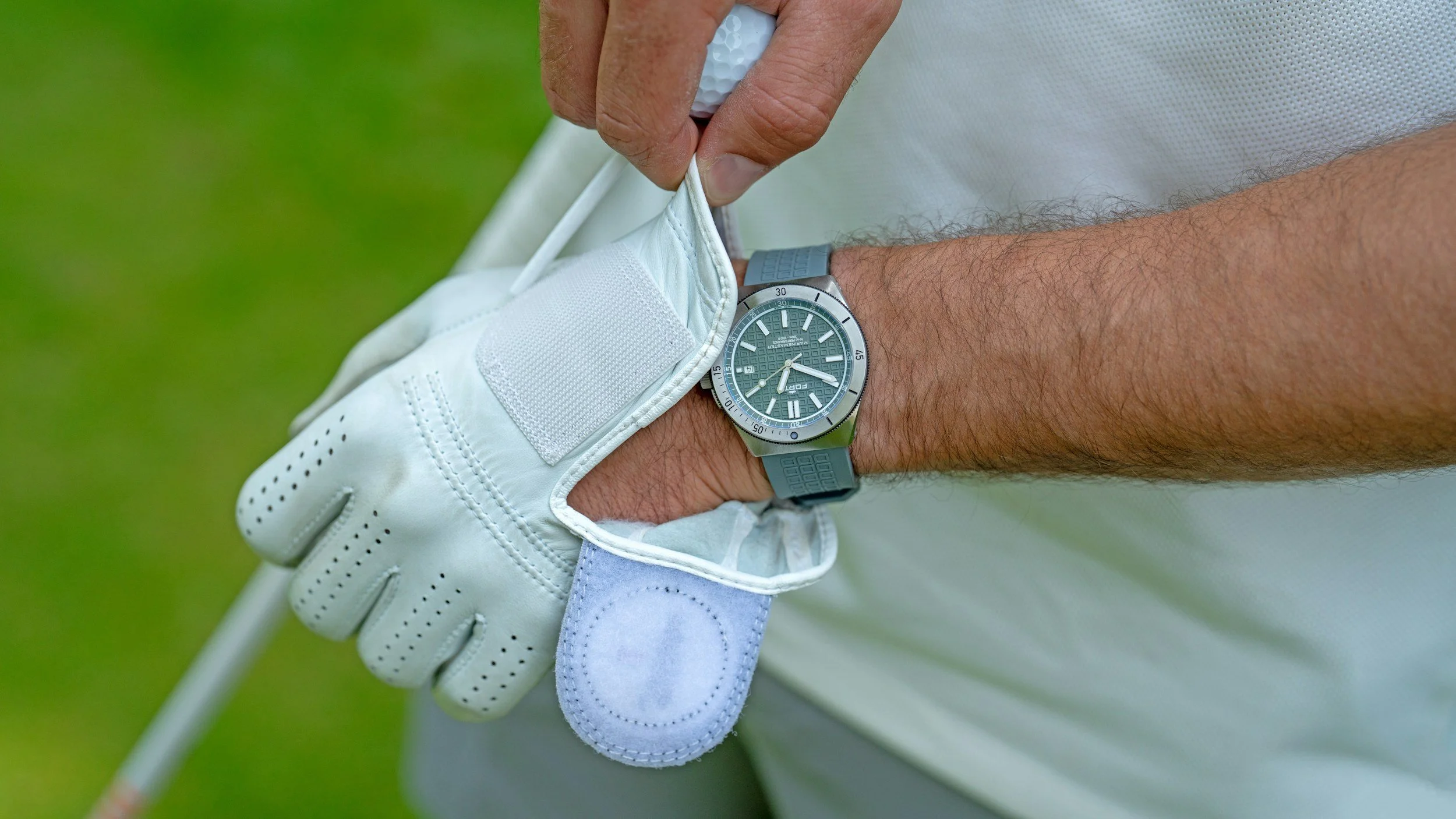
Have your glove on. Know whose ball is whose. Be clear on your own club selection habits. Do not let the first tee become a committee meeting. A round played at a good pace feels better for everyone, including the player who tends to think speed and care are opposites. They are not. You can be thoughtful and ready at the same time.
Set a Goal That Has Nothing to Do With Score
This may be the finest pre-round habit of all.
Before you begin, choose one small thing that would make the round a success even if the score misbehaves. Maybe it is committing to every target. Maybe it is staying patient after poor shots. Maybe it is playing without throwing one swing mistake into the next three holes. Maybe it is simply having fun and learning what each club is for.
Beginners need goals like this because the game can otherwise feel like one long exam. Skilled players need them because score alone is too slippery a master. Golf gives and takes by strange mathematics. A better pre-round intention gives you something steadier to chase.
And often, in golf’s crooked little way, that is when the score improves too.
The Best Pre-Round Routine Is the One You Can Repeat
That is the whole secret, if there is one. Not a perfect routine. A repeatable one.
Arrive with time. Check the bag. Pick the right tees. Loosen the body. Start small on the range. Roll putts for pace. Drink water. Notice the conditions. Be ready to play. Keep one clear thought for the day.
That is enough for the first-timer borrowing courage from a warm bucket of balls. It is enough for the single-digit player trying to avoid wasting the opening stretch. It is enough for the golfer who has played for years and still believes, with good reason, that the round begins long before the first swing.
Because it does.
FAQs About What to Do Before a Round of Golf
How early should I arrive before a round of golf?
A good rule is to arrive at least 30 to 45 minutes early, and longer if you want a full warm-up. That gives you enough time to check in, get loose, hit a few shots, and roll putts without rushing.
What should a beginner do before a round of golf?
A beginner should keep it simple: arrive early, bring the essentials, loosen up, hit a few short shots, practice some putts, and choose tees that make the course manageable. The goal is to feel comfortable, not overwhelmed.
Should I hit the driving range before every round?
Not necessarily, but some form of warm-up is helpful. Even a short range session can help you find rhythm, especially if you begin with wedges and ease into longer clubs.
What clubs should I use during a pre-round warm-up?
Start with wedges or short irons, then move into a few mid-irons and one or two clubs you expect to use off the tee. You do not need to hit every club in the bag before playing.
Is it better to practice putting or full swings before a round?
Both matter, but many golfers gain more from a few minutes on the putting green because green speed changes from day to day. Feeling distance control before the round can save strokes immediately.
Should I stretch before golf?
Yes. A light dynamic warm-up and basic mobility work can help your body move more freely and reduce the shock of making full swings when cold. Focus on the hips, shoulders, and upper back.
Why is tee selection important before a round?
Choosing the right tees affects both enjoyment and pace of play. Playing from a distance that matches your game leads to better approach shots, fewer forced swings, and a more enjoyable round.
What should I eat or drink before a round of golf?
Drink water before you start and bring water with you. A light snack can also help, especially if you are playing a long round. You want steady energy, not the fog that comes from hunger or dehydration.
How many balls should I hit before a round?
Enough to feel ready, not enough to feel tired. For many golfers, 10 to 25 purposeful shots is plenty. The warm-up should wake up your swing, not exhaust it.
What is the biggest mistake golfers make before a round?
Rushing. It affects everything: the body stays tight, the mind stays scattered, and the first few holes become a recovery mission. A little extra time before the round solves more than most swing tips ever will.
External Sources
Recent Writings