What to Bring to the Golf Course as a Beginner
There is a particular kind of optimism that lives in a parking lot before a round of golf.
It is there in the zipper of a bag being closed with conviction, in the hopeful way a golfer pats a pocket for a tee, in the little pause before stepping toward the first tee and pretending, for one lovely second, that this might be the day everything makes sense. For the beginner, that feeling can be mixed with nerves. Golf has a way of making a person wonder whether they have forgotten something important before they have even hit a shot.
Usually, they have.
The good news is that you do not need to arrive looking like a touring professional or carrying every gadget ever sold in a pro shop. You do not need a stuffed golf bag heavy with mystery objects and aspirational purchases. You need a few smart essentials, a little common sense, and enough preparation to make the day easier on yourself and more pleasant for the people playing with you.
That is the real beginner’s checklist: bring what helps you play, move, and learn.
Start With the Basics: Clubs, Balls, Tees, and a Bag
A beginner does not need a full fourteen-club setup. The Rules of Golf allow a maximum of 14 clubs, but new players can begin with far fewer and still have everything they need to learn the game. A simple set built around a driver or fairway wood, a hybrid or two, a few irons, a wedge, and a putter is more than enough to get started.
If you do not own clubs yet, that should not keep you off the course. Many golf facilities offer rental sets, which can be a practical way to begin without spending heavily before you know what suits your game.
Just as important are the small things people forget:
Golf balls
Tees
A golf bag
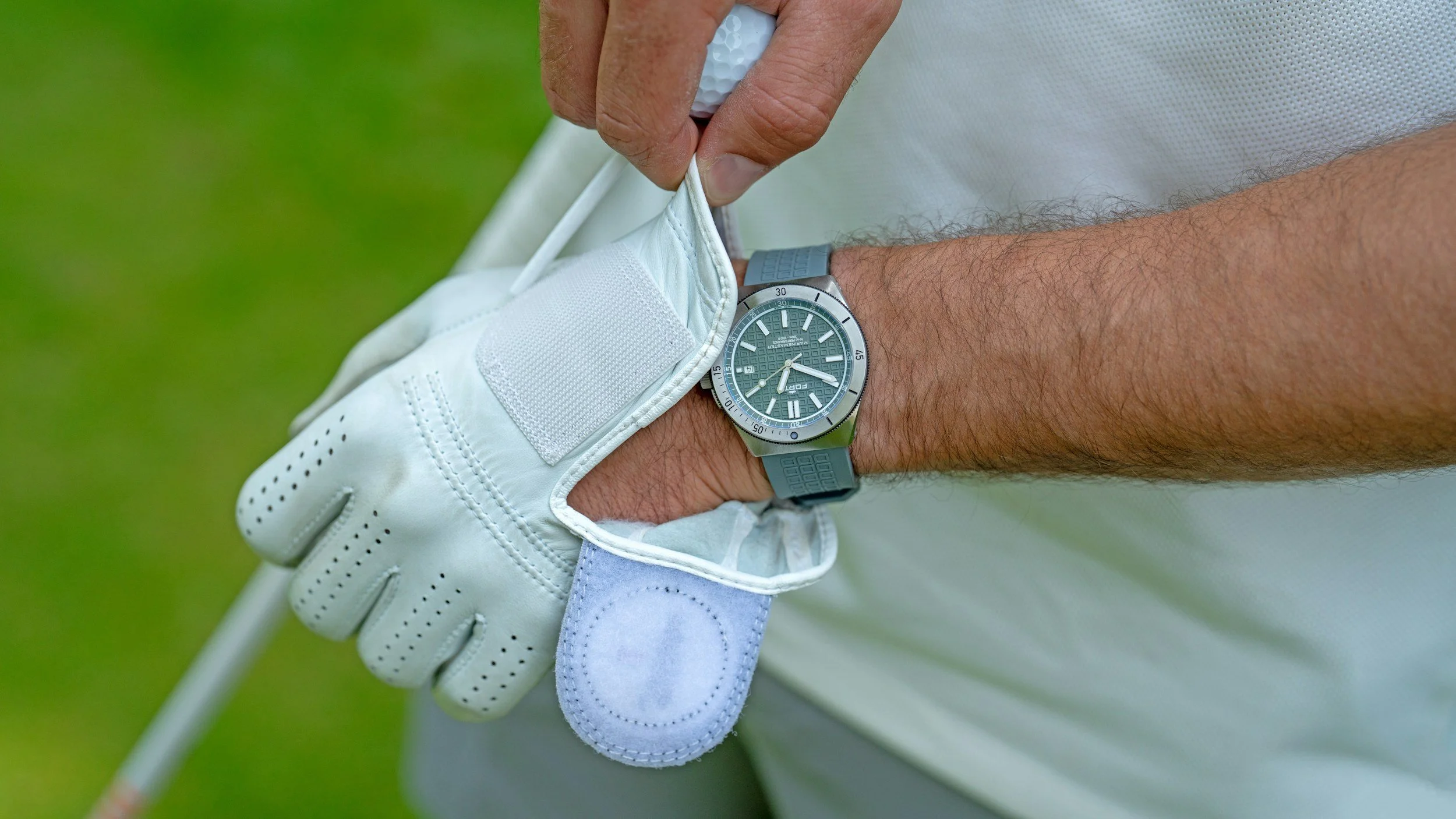
A glove, if you use one
A ball marker
A divot tool or pitch mark repair tool
A towel
That list is not glamorous, but golf is often decided by the humble things. A player can survive a mediocre swing more easily than a missing tee on the first hole.
Extra golf balls matter because beginners lose golf balls. That is not a confession; it is a rite of passage. Tees matter because they vanish with suspicious regularity. A towel matters because clubs get dirty, grips get damp, and hands get slick. A ball marker matters because once you reach the green, your golf ball becomes part of a shared little civilization, and civilization depends on people knowing how to pick up after themselves. Guidance from rules and beginner resources also emphasizes arriving with essentials like extra balls, tees, and weather-appropriate gear.
Wear Clothes That Let You Move and Keep You Comfortable
A beginner’s golf outfit does not need to be stylish in any grand sense. It needs to let you turn, bend, walk, and swing without distraction.
That means comfortable golf shoes or course-appropriate footwear, breathable clothing, and layers if the weather is uncertain. A hat can help with sun and glare. A light rain layer can save a round. In warm conditions, sunscreen and water are not optional luxuries; they are part of showing up ready to play. Golf instruction and equipment guides regularly highlight weather-ready clothing, hydration, and sun protection as round-saving essentials.
For beginners especially, comfort is a form of confidence. If your shirt is pulling at your shoulders, your shoes hurt by the fourth hole, and your eyes are watering in bright sun, you are not learning golf so much as enduring it.
Dress neatly, dress simply, and dress for the conditions. Golf is hard enough before the weather joins in.
Bring Water, a Snack, and a Little Patience
A round can take several hours. Beginners are often surprised by this, perhaps because they imagine golf as a tidy procession of swings and handshakes rather than a long walk interrupted by searching in rough, waiting on tee boxes, and discovering new emotional weather patterns within themselves.
Bring water. Bring more water than you think you need. If the facility allows it, a small snack is a wise idea too. Hunger and dehydration do not merely make a person uncomfortable. They make concentration leak away. They make tempers shorter. They turn a learning experience into a survival exercise.
A beginner often thinks the challenge is hitting the ball. The challenge, more broadly, is staying steady enough to keep trying after the third topped iron shot and the fifth putt that somehow frightened the hole but did not enter it.
Water helps with that.
Keep the Useful Small Stuff in Your Bag
There are items that seem minor until the moment they are indispensable.
A few of the best things to keep in your bag are:
A towel for clubs, golf balls, and hands
A ball marker, even if it is just a coin
A pitch mark repair tool
Sunscreen
Lip balm
A rangefinder or GPS device, if you already own one
A phone charger or portable battery
A pencil for scorekeeping
An extra glove
A small rain jacket or outer layer
Beginner gear guides consistently recommend items like a towel, ball marker, repair tool, glove, cap, and distance aids because they make the round smoother and help new players build better habits early.
None of these things will fix a slice. But they will reduce friction, and in golf, reducing friction is half the battle. The game offers enough trouble on its own. There is no need to create more by being the golfer asking every third hole if anyone has a pencil.
Bring a Respect for the Course
This is something beginners are not always told plainly enough: what you bring to the course is not only equipment. It is behavior.
The game asks you to care for the ground beneath your feet. That means repairing ball marks on greens, replacing or filling divots when required by the facility, raking bunkers if you use them, and generally leaving the course in better shape than you found it. Both the governing bodies and course-care resources stress that these habits are basic parts of golf etiquette and stewardship.
A beginner may not yet know how to shape a shot, flight a wedge, or read a double-breaking putt, but that beginner can absolutely know how to care for a green and keep pace with the group.
There is dignity in that.
Bring an Understanding of Pace of Play
Nothing settles beginner nerves quite like knowing this: you do not need to be good to be welcome on a golf course. You do need to be considerate.
One of the kindest things you can bring is awareness of pace. The guidance is simple: arrive early, have your equipment ready, keep moving, and be prepared when it is your turn. Official pace-of-play advice specifically recommends confirming your tee time, arriving early, and having essentials in order before you start.
This does not mean rushing every shot like your shoelaces are on fire. It means staying ready. Watch where your ball goes. Bring a few clubs when walking away from the cart. Limit practice swings. Pick up when a hole has gotten away from you and local etiquette allows it.
Golf has always had room for beginners. What it does not have much room for is dawdling wrapped in confusion. Preparation solves that.
What Beginners Do Not Need to Bring
This part may save you money.
You do not need a bag full of training aids.
You do not need fourteen clubs.
You do not need expensive golf balls.
You do not need a wardrobe assembled by committee.
You do not need to look experienced before you become experienced.
What you need is enough equipment to play, enough awareness to be considerate, and enough humility to laugh when golf behaves like golf.
The beginner who shows up with half a set, a sleeve of golf balls, a glove, a towel, sunscreen, water, and a willingness to learn is much better prepared than the person with every accessory ever made and no idea how to move around a course.
A Simple Beginner Golf Checklist
If you want the practical version, here it is.
Bring these to the golf course as a beginner:
Clubs or a rental set
Golf bag
Golf balls
Tees
Glove
Towel
Ball marker
Pitch mark repair tool
Water
A snack
Sunscreen
Hat or visor
Weather-appropriate clothing
Comfortable golf shoes
Pencil
Phone and wallet
Light jacket or rain layer if needed
That is enough. More than enough, really.
The rest of the day will be made not by what is in your bag, but by how you carry yourself through the long, hopeful comedy of the round.
Bring curiosity. Bring patience. Bring one good friend if you can. Bring two extra golf balls beyond what seems reasonable.
That last item, especially, tends to age well.
FAQs About What to Bring to the Golf Course as a Beginner
Do beginners need a full set of golf clubs?
No. Beginners can start with a small, practical set rather than a full 14 clubs. A few forgiving clubs and a putter are enough to learn the basics and enjoy a round.
Can I go golfing if I do not own clubs yet?
Yes. Many golf facilities offer rental clubs, which can be a smart and affordable way to start playing before buying your own set.
How many golf balls should a beginner bring?
Bring more than you think you will need. Beginners commonly lose balls, especially while learning. A sleeve may work for practice, but several extra balls can help remove stress during a round.
What small items are most important for beginner golfers?
Tees, a towel, a ball marker, a glove, and a pitch mark repair tool are among the most useful small items. They help you stay organized, care for the course, and avoid borrowing from others all day.
Do I need golf shoes as a beginner?
You need course-appropriate footwear that is comfortable and stable. Golf shoes are helpful because they provide traction and support, but the best choice is footwear that helps you walk and swing comfortably while meeting the facility’s dress expectations.
Should I bring water and snacks to the golf course?
Yes. A round can last several hours, and hydration matters. Water is essential, especially in warm weather, and a simple snack can help maintain energy and focus.
Why should beginners carry a towel?
A towel helps keep clubfaces, grips, golf balls, and hands clean and dry. It is one of the simplest items in a golf bag, but it makes the round more comfortable and practical.
What should I wear to the golf course as a beginner?
Wear comfortable, weather-appropriate clothes that allow a full range of motion. Breathable layers, a hat, and outerwear for wind or rain are all useful depending on conditions.
Do beginners need a ball marker and divot tool?
Yes. A ball marker is used on the green, and a repair tool helps fix ball marks. These are basic parts of golf etiquette and course care.
What is the most overlooked thing beginners should bring?
Preparation. Arriving early, having essentials ready, and understanding basic pace-of-play habits can improve the day as much as any piece of equipment.
External Sources
Recent Writings