Beginner Golf Equipment Guide: What You Actually Need and How to Build a Smart Bag
Golf has a way of making the simple feel ceremonial. A tee in the ground. A ball the size of a breath mint. A patch of trimmed earth waiting for a swing that, on good days, feels like music and, on other days, feels like an argument with yourself. For beginners, the equipment side of the game can seem needlessly complicated. Walk into a golf shop or browse online long enough and you will start to believe you need a tour truck’s worth of gear just to survive nine holes.
You do not.
The truth is much friendlier than the marketing. A new golfer does not need a packed bag, a dozen gadgets, or a perfect understanding of every club in the modern alphabet. You need a practical setup, a few dependable essentials, and enough knowledge to avoid buying things that look important but do very little for your game. Official rules allow up to 14 clubs, but you can absolutely play with fewer, and many beginner-focused guides recommend starting with a smaller, simpler set.
The Short Answer: What a Beginner Really Needs
If you are starting from scratch, build around these basics:
A small, forgiving set of clubs
A golf bag you can comfortably carry or place on a cart
Golf balls you will not be afraid to lose
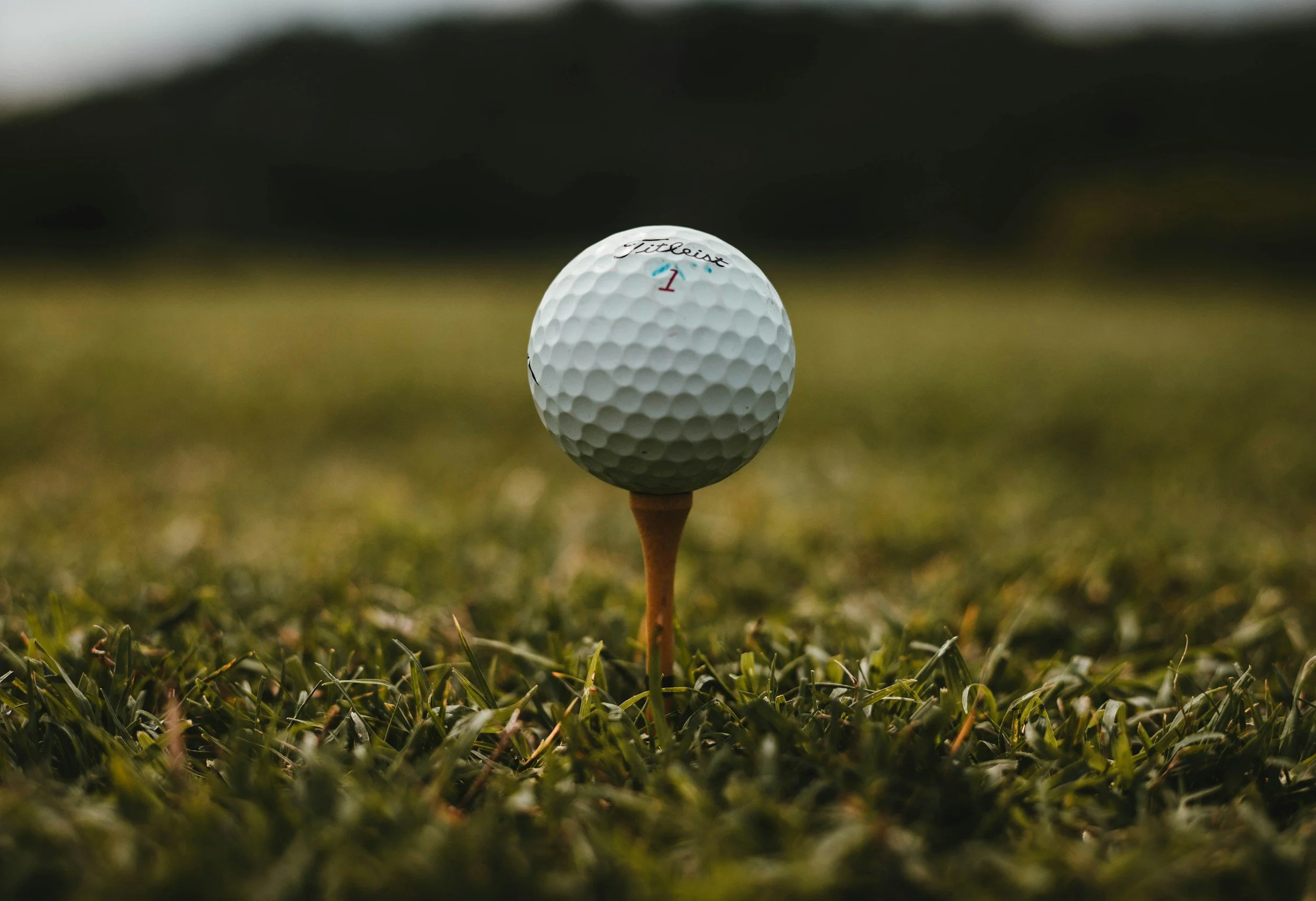
Tees
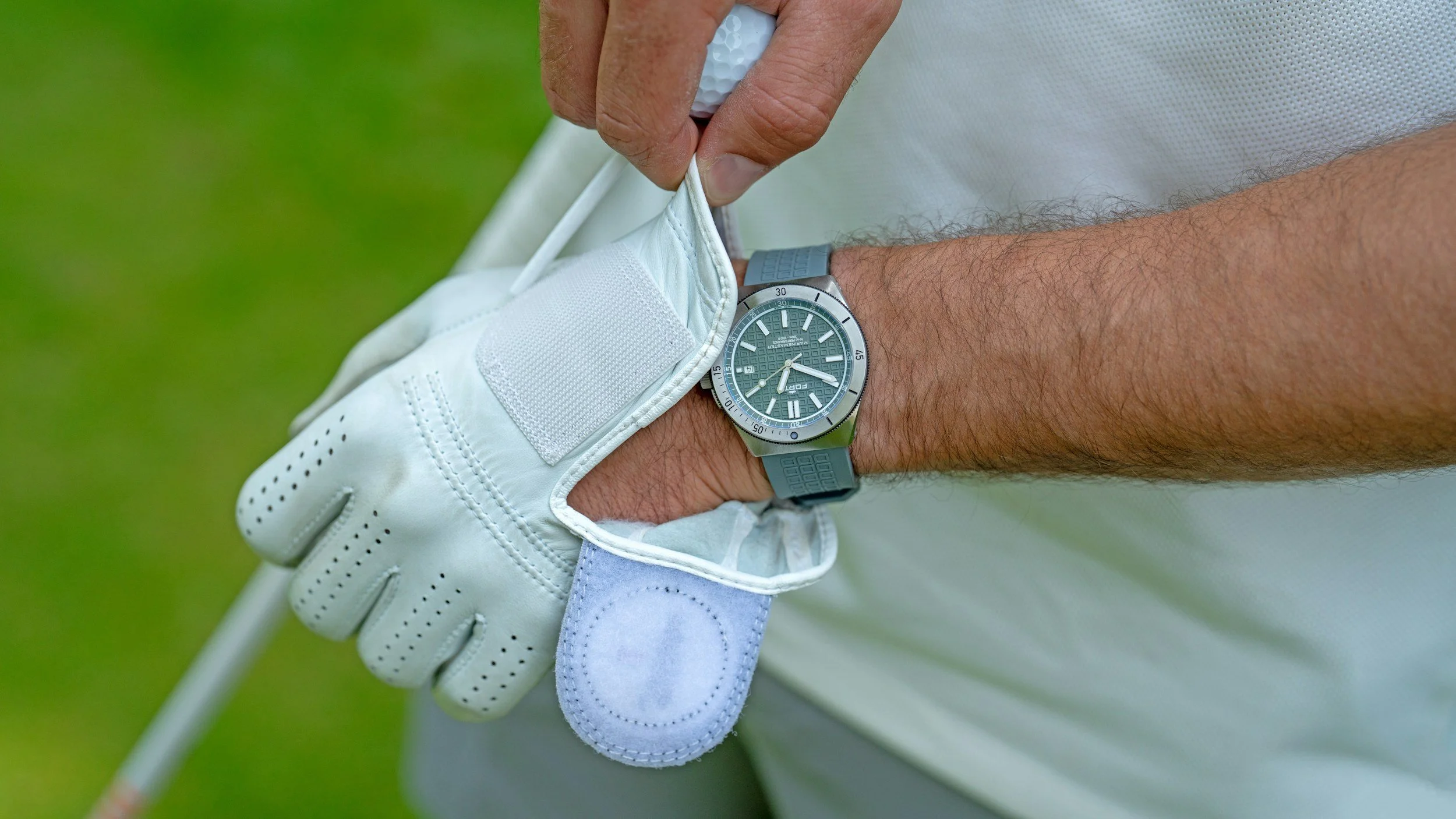
A glove
A towel
Water and sun protection
A ball marker and a simple divot tool
That is the heart of it. Everything else can come later. Beginner-focused equipment guides consistently emphasize that you do not need all 14 clubs right away, and official rules make clear that “up to 14” is the limit, not the requirement.
How Many Clubs Should a Beginner Carry?
A beginner can play perfectly sensible golf with somewhere around 6 to 10 clubs. That is enough to learn different shot types without turning every round into a quiz show. One source aimed at beginners suggests 7 to 10 clubs is a practical starting point, while another notes that most beginners can get by with just a few core clubs rather than a full set.
A smart beginner setup usually looks something like this:
Driver or fairway wood
Hybrid
A few mid-irons
Pitching wedge
Sand wedge
Putter
The reason is simple. Most new golfers do not yet create reliable distance gaps between every club. In the beginning, several irons may go almost the same yardage anyway, so carrying a giant set often adds confusion more than value. Beginner guides also recommend clubs with larger sweet spots and more forgiveness on off-center hits.
Related: How to Hold a Golf Club: A Complete Guide to Building the Right Golf Grip
The Clubs You Should Prioritize
Driver or Fairway Wood
You want one club for longer shots off the tee. Some beginners find a fairway wood easier to launch than a driver, but either can work. A beginner club guide notes that you do not need every wood in the catalog; one or two long-game options can be enough.
Hybrid
This may be the beginner’s best friend. Hybrids are often easier to hit than long irons and can help bridge the gap between your longest clubs and your middle irons. They are built for forgiveness, which is a beautiful word in golf.
Mid-Irons
You do not need a full row of them to begin. A few reliable irons are enough to learn ball-first contact, direction, and distance control. Irons are commonly described as the workhorses of the bag because they handle a wide range of approach and fairway shots.
Pitching Wedge and Sand Wedge
Short-game improvement pays rent immediately. A pitching wedge helps with short approaches and chips, while a sand wedge is useful from bunkers and for higher, softer shots near the green. Beginner equipment guidance commonly recommends starting with at least these two wedges.
Putter
No mystery here. You need one, and you should choose one that feels comfortable at address and gives you confidence. For a beginner, comfort and a clean look matter more than a sales pitch about precision milled this or aerospace-grade that. One beginner equipment guide specifically advises choosing a putter that looks and feels good in the early stages of the game.
What to Look for in Beginner Golf Clubs
The right beginner clubs tend to share a few traits:
Forgiveness on mishits
Higher lofts that help get the ball airborne
Wider soles that are friendlier through turf
Hybrids instead of difficult long irons
A setup that feels manageable, not intimidating
Several beginner sources recommend clubs with larger sweet spots and forgiving designs because new players are still learning centered contact and consistent delivery.
The Golf Balls Question: Cheap, Yes. Random, No.
Beginners lose golf balls. This is not a character flaw. It is initiation.
So yes, start with affordable balls. But do not overthink it. You do not need premium tour balls while you are still learning how to strike the ball solidly and keep it in play. At the same time, it helps to play the same general type of ball consistently enough that you begin to notice how it feels off the putter and around the greens. Beginner gear guides also recommend carrying a healthy supply of balls so one rough hole does not end your day emotionally.
The Accessories That Actually Matter
There is golf equipment, and then there is golf clutter. These are not the same thing.
1. Tees
You need them, of course. Beginner guidance recommends keeping enough on hand and choosing a tee height that lets you comfortably hit tee shots, especially with a driver.
2. Glove
A glove is not mandatory, but it can help with grip and reduce blisters, especially when your hands are learning what a golf swing feels like over the course of a range session or round. Multiple beginner-focused sources specifically recommend one for comfort and control.
3. Towel
This is one of the least glamorous and most useful things in the bag. A towel keeps clubs, hands, and golf balls clean. That matters more than beginners often realize. Clean grooves and dry hands make golf easier. Beginner bag guides consistently include a towel among the essentials.
4. Water, Snacks, and Sunscreen
A round can take hours, and golf asks for more patience when you are dehydrated, sunburned, or running on fumes. Beginner gear guides recommend carrying water and sun protection, and basic golf guides also point beginners toward weather-appropriate clothing.
5. Ball Marker and Divot Tool
These are small, easy-to-overlook items that make you a better playing partner. Mark your ball on the green. Repair the surface when needed. Beginner rules guidance also emphasizes fixing divots and ball marks as part of caring for the course.
Related: Golf Swing Basics: A Better Motion Starts Before the Club Ever Moves
The Golf Bag: Keep It Simple
A beginner golf bag should do two things well: hold your clubs comfortably and keep your gear organized.
You generally have three practical choices:
Stand bag: Great for walking, usually lighter and versatile
Cart bag: Better for riding, usually larger and more organized
Minimal bag: A lightweight option for a smaller set
One beginner gear source explains that stand bags are popular because they work well whether you walk or ride, while cart bags offer more storage and structure. Another notes that a smaller, lighter bag can be a good fit when you are only carrying a partial set.
For most beginners, a lightweight stand bag is the safest bet. It is versatile, practical, and less likely to become a rolling junk drawer.
What You Do Not Need Right Away
This is where beginners can save money and headaches.
You do not need:
A full 14-club setup on day one
Specialty wedges for every loft gap
Expensive tour-level golf balls
Multiple long woods
A bag full of swing gadgets
Premium accessories you do not yet know how to use
The strongest beginner advice across the source material is that less is more at the start. Simpler setups reduce decision fatigue and help you learn the game faster. Even training aids, when mentioned, are framed as optional additions rather than day-one necessities.
Beginner Golf Equipment Tips That Help More Than Gear Hype
Buy forgiveness, not ego
Choose clubs designed to help, not clubs designed to impress.
Start with fewer choices
A smaller set teaches you more about shotmaking and distance control than a jammed bag full of barely different clubs.
Spend where comfort matters
A good glove, sensible shoes, and a bag you do not hate carrying will improve your experience faster than another shiny club head.
Organize your bag
Keep balls, tees, markers, and tools in the same pockets every time. One equipment guide recommends using the bag’s pockets intentionally so you are not digging around before every shot.
Remember that pace matters
Golf is not only about your score. It is also about how you move through the course. The R&A’s pace-of-play resources and PGA beginner etiquette guidance both stress steady play, and PGA beginner advice says the pre-shot routine should stay efficient, around 30 to 45 seconds once you have selected a club.
A Sample Beginner Golf Bag Setup
Here is a smart, practical beginner setup that covers the course without overloading you:
Driver or 3-wood
Hybrid
7-iron
9-iron
Pitching wedge
Sand wedge
Putter
6 to 12 golf balls
10 or so tees
1 glove
1 towel
Ball marker
Divot tool
Water
Sunscreen
This kind of setup aligns with beginner guidance recommending a reduced set of core clubs plus simple, useful accessories.
Final Thoughts
The best beginner golf equipment is equipment that gets you out there.
Not the bag that makes you look advanced. Not the club that promises twenty extra yards. Not the gadget that claims to fix your swing while you sleep. The right gear is the gear that keeps the game playable, affordable, and enjoyable long enough for you to fall in love with it.
And that is really the whole point. Golf is difficult enough without asking your bag to become a puzzle. Carry what helps. Leave behind what does not. Learn what each club is for. Keep a towel handy. Bring extra balls. Repair your marks. Move along with purpose. Then swing, walk, watch, and begin.
Because every seasoned player, no matter how polished now, once stood on a tee box holding too much club, too many thoughts, and just enough hope to keep going.
FAQs About Beginner Golf Equipment
1. Do I need all 14 clubs as a beginner?
No. The rules allow up to 14 clubs, but you can carry fewer, and beginner guidance commonly recommends starting with a smaller set.
2. What clubs should a beginner start with?
A practical starter setup usually includes one long club, a hybrid, a few irons, a pitching wedge, a sand wedge, and a putter.
3. Are hybrids better than long irons for beginners?
Often, yes. Beginner club guides favor forgiving clubs with larger sweet spots, and hybrids are commonly easier to launch and control than long irons.
4. What golf accessories are essential for a beginner?
At minimum: balls, tees, a glove, a towel, water, and a marker. Many beginner gear guides also recommend sunscreen and a simple first-aid item for blisters.
5. Should a beginner buy expensive golf balls?
Usually not. It is smarter to begin with affordable balls while you develop consistent contact and learn your ball flight. Beginner equipment guidance emphasizes practicality over premium pricing.
6. What kind of golf bag is best for beginners?
A lightweight stand bag is often the most versatile choice, though cart bags can be great for players who ride often and want more storage.
7. Is a golf glove required?
No, but many beginners benefit from one because it can improve grip and help prevent blisters.
8. What is one common beginner equipment mistake?
Buying too much too soon. A simple, forgiving setup is usually more helpful than a full bag loaded with clubs and accessories you do not yet need.
External Sources
Recent Writings