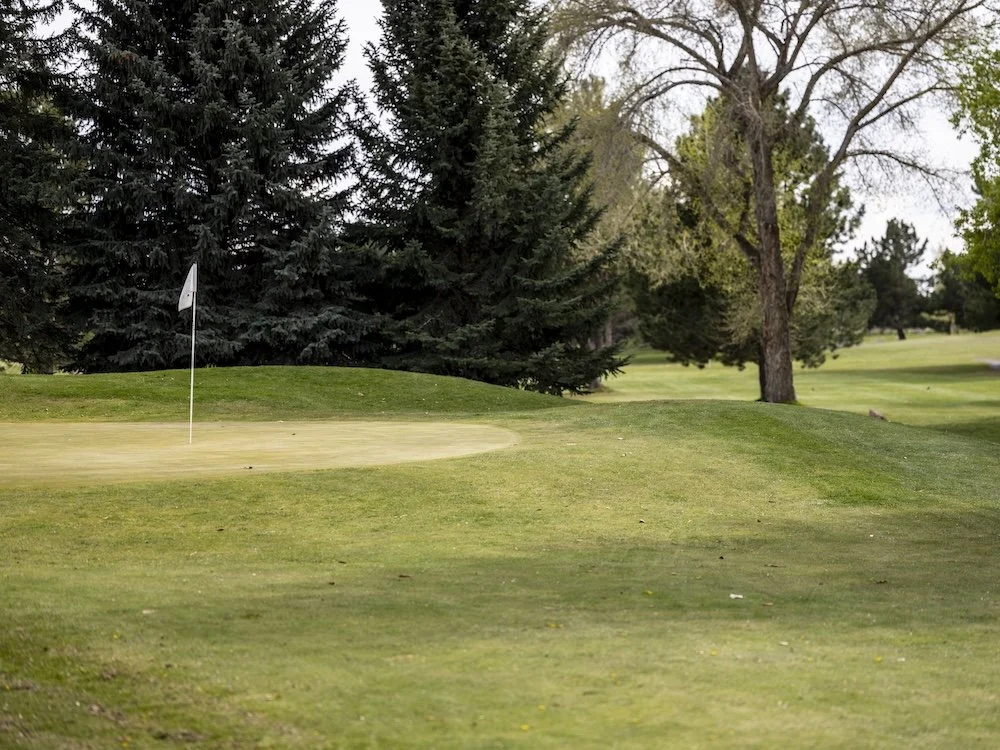
What to Know Before You Start Golf
Golf has a way of looking simple from a distance. There is a ball sitting still on trimmed grass, a flag standing off in the distance, and a club in your hand that appears to have one straightforward assignment. Then you swing. The ball scuttles sideways, or goes nowhere much at all, and suddenly you understand the first honest thing about golf: this game is not easy, but it is deeply worth learning.
That is the right place to begin.
Before you start golf, you do not need a beautiful swing, a full set of clubs, a vocabulary full of golf terms, or any illusion that everyone else knows what they are doing. Plenty of lifelong golfers are still trying to solve the same puzzle. What you do need is a little patience, a willingness to be awkward at first, and a basic understanding of what makes the game enjoyable instead of intimidating.
The best first lesson is this: golf is not one game. It is several games stacked on top of one another. It is the long swing and the little chip. It is the putt from four feet and the decision from the trees. It is rhythm, nerve, judgment, etiquette, and memory. That is why beginners can fall in love with it quickly, and why experienced players keep returning to it even after a bad day. There is always one shot that brings you back.
You Do Not Need a Full Set of Clubs to Begin
A lot of people delay starting because they think they need to arrive fully equipped. They do not. Beginner programs and introductory lessons often provide clubs, and golf instruction organizations note that many new players can begin learning before buying a full set of equipment. Renting, borrowing, or starting with a few basic clubs is often enough in the early going.
For most new players, a simple starter setup is plenty:
a putter
a wedge
a short or mid-iron
a hybrid or fairway wood
a driver, if you want one
That is enough golf to get into plenty of trouble and, occasionally, out of it.
The mistake many beginners make is assuming the hardest shots are the most important ones. They are not. The game usually becomes more enjoyable when you learn first how to putt, chip, and make tidy little swings before trying to launch towering drives into another zip code. Instruction for beginners commonly emphasizes building from the short game outward because it makes early progress feel real.
Learn the Game From the Green Backward
This may sound backward to a newcomer, but it is one of the sanest ideas in golf. The hole is on the green, and the fastest way to feel competent is to get comfortable near it.
Putting teaches touch. Chipping teaches contact. Pitching teaches trajectory. Those smaller motions begin to educate your hands and eyes without asking your body to perform something dramatic. When people start with full swings only, the game can feel violent and elusive. When they start with shorter shots, the game begins to feel possible.
Even advanced players know this truth. On difficult days, when the long game wanders off and starts making poor life choices, the short game is often what keeps a round together.
So before you worry about distance, worry about contact. Before you chase style, chase consistency. Before you try to look like a golfer, try to become one.
You Are Learning a Motion, Not Hunting Perfection
Golf can be cruel to perfectionists. The game offers too much evidence, too quickly, that perfection is unavailable.
What matters early is not a flawless swing but a repeatable one. A motion you can return to. Something balanced enough to produce a ball that gets airborne now and then and stays more or less in front of you more often than not. That is progress.
A good early goal is not “hit every shot pure.” A good early goal is:
make solid contact more often
finish in balance
learn where the ball tends to go
understand one or two reliable feels
That last part matters. Golf is full of advice, tips, swing thoughts, theories, and roadside religious awakenings disguised as fundamentals. Keep it simple. One helpful cue is gold. Seven helpful cues become a traffic jam.
Etiquette Is Part of the Game
This is one of the beautiful things about golf. The game asks you not only to play it, but to care for it.
You do not need to know every rule on day one, but you should know the spirit of the place. Be ready when it is your turn. Stand still when someone else is hitting. Stay aware of where your group is in relation to the group ahead. Keep up. Be kind. Do not turn a pleasant four hours into a hostage situation.
The governing bodies of the game actively encourage prompt play and “ready golf” when it is safe and responsible, and pace-of-play guidance recommends keeping routines efficient and being prepared to hit when it is your turn.
Course care matters too. Repair your ball mark on the green. Replace or fill divots when appropriate. Rake the bunker if you have entered it. These are not decorative customs. They help preserve playing conditions for everyone behind you. The proper repair of a ball mark is specifically emphasized by course-care guidance because unrepaired damage can affect the surface for weeks.
If you are new, do not be embarrassed by not knowing everything. Most golfers are happy to help someone who is trying. What people mind is not inexperience. What they mind is indifference.
You Only Need a Few Rules to Start
The full Rules of Golf are detailed, but beginners do not need to memorize the whole cathedral before stepping through the door. The official rules bodies both provide beginner-friendly resources, and the USGA’s introductory Rules 101 course is designed specifically for people new to the game.
At the beginning, focus on a few basics:
play the right ball
if you move your ball in play, there may be a procedure or penalty depending on the situation
understand the difference between penalty areas, bunkers, and out of bounds
mark your ball on the green before lifting it
if your ball may be lost or out of bounds, know when to play a provisional
That is enough to begin without wandering too far into chaos.
You can learn the finer points over time. In fact, that is part of the fun. Golf reveals itself slowly.
Golf Is Easier to Enjoy When You Manage Expectations
A new golfer often imagines improvement as a straight line. It is not. Improvement in golf behaves more like weather. A bright day can be followed by fog. You may hit one excellent shot and then spend twenty minutes wondering if it was an accident. It probably was. It still counts.
Set expectations that leave room for joy:
expect to miss-hit shots
expect nerves on the first tee
expect confusion now and then
expect some days to feel worse before they feel better
expect one clean strike to make the whole thing feel worthwhile
For beginners, “good” golf might mean making contact, finishing a hole, or having a putt stop near the cup. For experienced players, “good” golf may mean better decisions, smarter misses, and emotional control. The game keeps changing the question.
Lessons Can Save You Time
There is romance in teaching yourself, and there is also unnecessary suffering.
A good lesson early on can spare you months of avoidable frustration. Not because instruction gives you a magic move, but because it can give you structure. Grip. Stance. Ball position. Aim. A simple concept for contact. Something sound enough to build on.
That is especially helpful in golf because bad habits have a way of becoming cherished family heirlooms. You live with them too long and start defending them.
Formal beginner instruction is widely available, and many introductory programs are built for people with no prior experience and, in some cases, no equipment of their own.
You Do Not Need to Keep Score Right Away
This surprises people, but not every first round needs to be a solemn accounting of your golfing sins.
You can start by learning the flow of a hole. Tee off. Advance the ball. Get near the green. Chip. Putt. Pick up when needed. Keep moving. Learn the shape of the day before you burden it with arithmetic.
Some beginners benefit from counting every stroke. Others do better by focusing on contact and etiquette first. Either approach is fine, as long as you are learning how the game works.
Later, if you decide to play more regularly, you may want to establish a handicap. Under the World Handicap System, a Handicap Index is designed to represent your demonstrated ability and can be established after posting scores totaling 54 holes, in any combination of 9- and 18-hole rounds.
That is useful information for the future. It is not something you need on day one.
The Best Golfers Still Begin Again Every Round
This is the democratic thing about golf. Every round starts over. Every player, whether brand new or deeply seasoned, stands on the first tee with hope and uncertainty sharing the same cart.
That is why golf can welcome both the beginner and the expert in the same afternoon. One is learning the game. The other is still learning the game, only in more sophisticated ways.
So what should you know before you start golf?
Know that the game will humble you.
Know that it will also surprise you.
Know that you do not need to be good to begin.
Know that the game becomes richer the more you respect its pace, its places, and its peculiar demands.
Know that one well-struck shot can rearrange your entire opinion of the afternoon.
Know that the people who stay with golf are not always the most talented. Very often they are just the ones willing to keep coming back.
And that, in the end, is as good a beginning as any.
FAQs About Starting Golf
Do I need my own clubs before I start golfing?
No. Many beginner lessons and clinics provide clubs, and plenty of new golfers begin by borrowing or renting equipment. It often makes sense to wait before buying a full set until you know how often you plan to play.
What clubs should a beginner start with?
A putter, a wedge, a mid-iron, a hybrid, and possibly a driver are enough for many beginners. You do not need a full bag to begin learning the game.
Is golf too hard for beginners?
Golf is challenging, but it is absolutely learnable. The early goal is not perfection. It is making better contact, learning basic etiquette, and understanding how to get around the course with growing confidence.
Should I take lessons before playing my first round?
Lessons are not required, but they can help a lot. Even one or two beginner sessions can give you a better grip, setup, and understanding of basic swing concepts, which can save time and frustration.
What part of golf should I practice first?
Start with putting, chipping, and short shots. Learning the short game first often helps beginners build confidence and enjoy the game sooner.
How important is golf etiquette for beginners?
Very important. You do not have to know every rule right away, but you should learn the basics of pace of play, safety, respect for other players, and course care. Those habits matter just as much as your swing.
Do I need to know all the rules before I play?
No. Start with the most common rules and basic procedures, then learn more over time. Official beginner-focused rules resources are available and are designed for new players.
Should a beginner keep score?
That depends on the player. Some beginners like keeping score right away, while others benefit from learning the pace and rhythm of a round first. There is no single correct way to begin, as long as you are respectful of the course and the people around you.
What is a golf handicap, and do I need one right away?
A handicap is a way to measure your demonstrated playing ability so you can compare rounds and compete more fairly. You do not need one when you are first starting, but it can become useful once you begin posting scores regularly. Under the World Handicap System, a Handicap Index can be established after 54 holes of scores are posted.
External Sources
Recent Writings