What Golf Accessories Do Beginners Actually Need?
Golf has always had a talent for making newcomers feel underpacked. You can stand near the first tee and get the impression that every decent player owns a laboratory of gadgets: rangefinders, swing trainers, brushes, groove cleaners, weighted donuts, alignment rods, rain gloves, travel covers, and enough zippered pockets to outfit a small expedition.
The truth is less dramatic.
If you are just getting into golf, you do not need many accessories. You need a few things that help you play, a few things that help you care for the course, and a few things that make the round more comfortable so you will want to come back and do it again next week. That is the important part. The beginner’s real challenge is not building the perfect bag. It is building a bag simple enough that the game still feels inviting.
For experienced players, this same principle still holds. The best golf accessories are not always the flashiest ones. They are the ones you actually use, the ones that save time, protect feel, preserve rhythm, and keep you from turning a round of golf into a scavenger hunt through your golf bag.
So let us separate the truly useful from the merely tempting.
The golf accessories beginners really need
1. Golf balls you can afford to lose
Every beginner wants to believe they are one purchase away from competence. Golf does not cooperate with that fantasy. In the beginning, the best golf balls are not the most expensive ones. They are the ones you can lose without feeling your soul leave your body.
What matters early is consistency, not prestige. Play one general type of ball as often as you can so that your shots, chips, and putts begin to give you familiar feedback. Premium ball fitting becomes more important as your delivery and contact become more reliable, but even ball manufacturers and fitters emphasize that ball choice is tied to factors like flight, spin, feel, and swing characteristics, not just price or marketing.
A smart beginner move is to buy golf balls in bulk or choose value-friendly models with softer feel. That does two things. It keeps the round affordable, and it frees you up to swing without treating every tee shot like a financial decision.
Best beginner rule: play a ball you recognize, can identify easily, and do not mind losing.
2. Tees
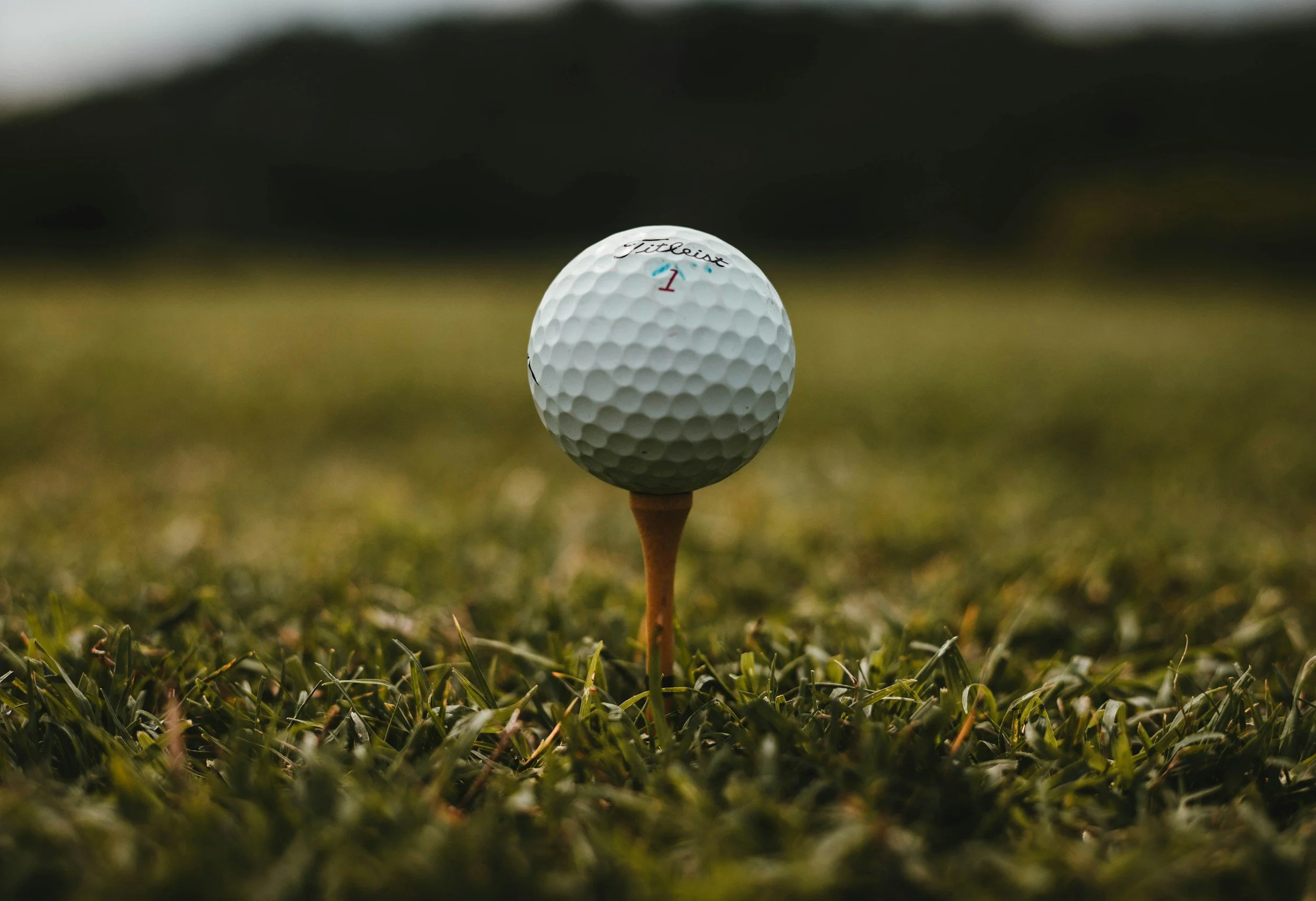
Tees are small, cheap, and astonishingly easy to run out of when you need one most. Every new golfer should carry more tees than seems reasonable. Not because the game is cruel, though it can be, but because tees break, disappear, get borrowed, and vanish into the strange weather systems that govern golf bags.
There is no need to overthink this. Standard tees work. A beginner does not need an advanced tee system engineered like a bridge. What matters is having enough of them and learning a comfortable tee height for the clubs you hit from the teeing ground.
Keep a handful in one pocket. Keep more in the bag. The round will go better.
3. A golf glove
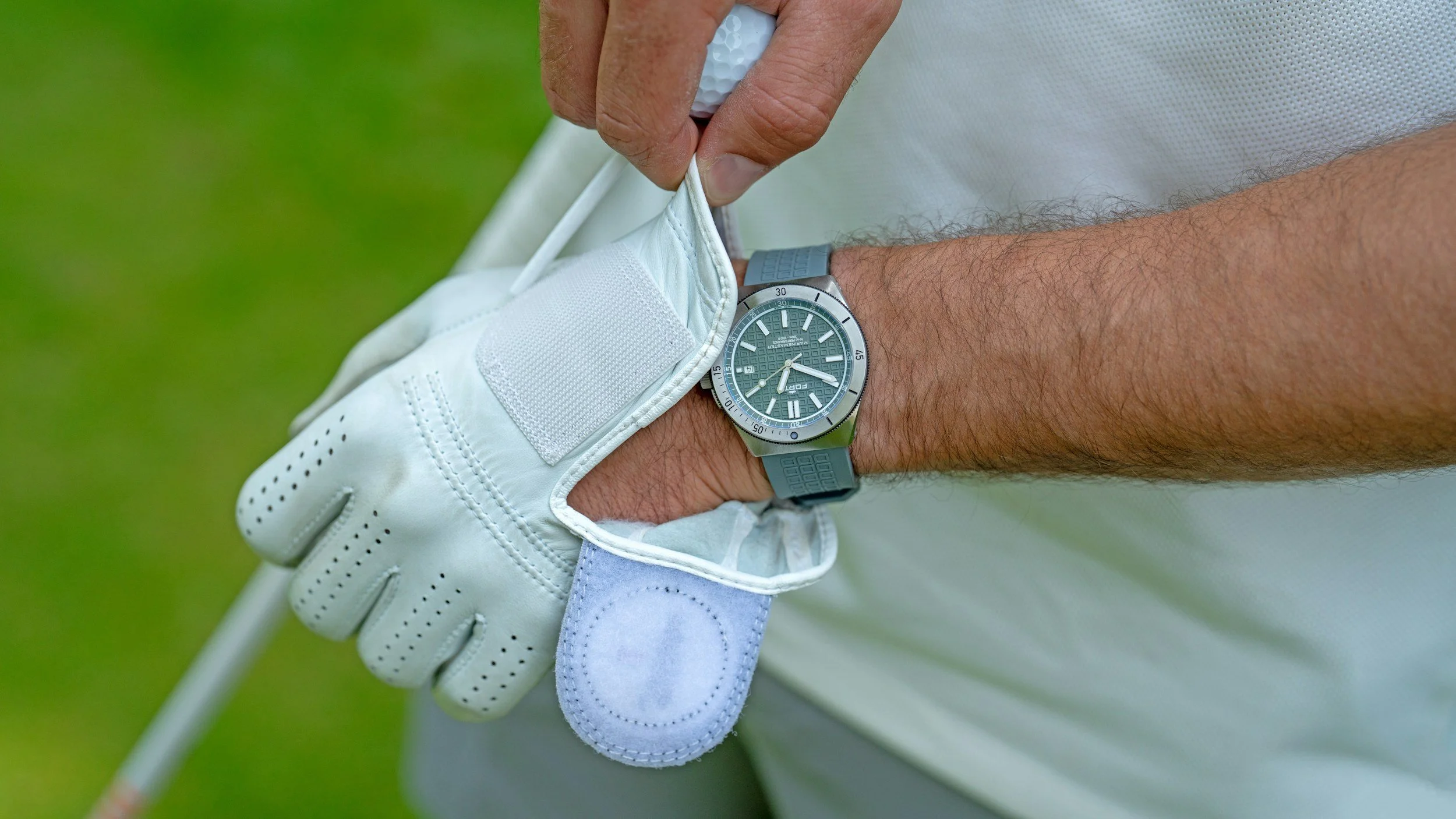
A golf glove is not mandatory, but for most beginners it is a very good idea. The main benefit is grip. A glove can help you hold the club securely without squeezing it too tightly, which matters because excess tension has a way of spreading from the hands to the forearms and then into the swing itself.
For a new golfer, that matters more than style. The glove helps with traction, especially in heat, humidity, or nervous first-tee conditions. It can also reduce the chance of blisters while you are still learning how the club sits in your hands.
A simple advice here: buy one that fits snugly. Not stranglingly tight, not loose and floppy. A bad glove feels like an apology. A good glove feels like part of your hand.
4. A ball marker
This is one of those modest golf accessories that earns its keep quietly. When you get to the green, you will often need to mark your ball, lift it, clean it, and replace it. The Rules of Golf cover these procedures, and a ball marker is one of the small practical items that helps you do it properly.
The beautiful thing about a ball marker is that it does not need to be fancy. A coin works. A purpose-made marker works. What matters is that it is small, accessible, and used without drama.
A beginner should have one. A seasoned player should have three, because two will somehow disappear.
5. A divot tool or ball mark repair tool
This is not optional in spirit, even if many golfers neglect it in practice. If your ball lands on a green and leaves a mark, repair it. The USGA has repeatedly stressed that proper repair is quick, easy, and important for turf health, and it specifically advises pushing the surrounding turf inward rather than lifting or twisting, which can damage roots.
This single accessory does two jobs. It helps care for the course, and it quietly welcomes you into golf’s code of conduct. Beginners often worry about how to look like they belong. Here is one answer: repair your ball marks and leave the surface better than you found it.
That goes a long way in golf.
6. A towel
A towel is the sort of accessory that seems unremarkable until you play without one. Then suddenly every clubface is dirty, every golf ball is damp, your hands feel uncertain, and the game becomes slipperier than it already is.
A towel helps you clean clubs, wipe off mud, dry your hands, and keep the golf ball reasonably presentable. It is not glamorous, which is precisely why it is useful. Golf has enough glamorous nonsense. Beginners do well with a towel because it encourages simple habits: cleaner grooves, better contact, less fuss.
For better players, the towel remains one of the most-used pieces of gear in the bag. That should tell you something.
7. Water and sun protection
Not every golf accessory comes from a golf shop. If you are walking, practicing, or playing for a few hours outdoors, water, sunscreen, and a hat or sunglasses are basic round-savers. PGA beginner guidance specifically notes the value of sun protection for time spent outside.
This matters for beginners because fatigue impersonates bad technique. A dehydrated golfer starts making mysterious swings, impatient decisions, and double bogeys with a haunted expression. Sometimes the fix is not mechanical. Sometimes the fix is a sip of water and a little shade between holes.
8. A bag that carries what you need and nothing more
A golf bag is technically not an accessory in the same casual sense as tees or a glove, but it shapes the whole experience. A beginner does not need a giant staff bag with enough compartments to file taxes inside it. You need a bag that carries clubs, golf balls, tees, a towel, a glove, a repair tool, water, and a few personal items without becoming a burden.
That is all.
A lighter, simpler bag also has a subtle psychological benefit. It tells the new golfer that the game can still be manageable.
Golf accessories beginners do not need right away
This is where the industry gets lively.
You do not need to start with:
a rangefinder
a GPS device
multiple gloves for weather conditions
training aids for every phase of the swing
premium ball-fitting sessions
elaborate club-cleaning kits
novelty headcovers
backup accessories for accessories
Some of these things can absolutely help later. Some are wonderful. Some are fun. Some are excellent gifts from well-meaning people who want to encourage your golf habit before it fully consumes your weekends.
But a beginner’s first goal is to learn how to move through a round with basic competence and pleasure. That means arriving prepared, keeping pace, caring for the course, and having what you need when the moment calls for it. PGA beginner guidance emphasizes warm-up habits, local rules awareness, identifying your ball, and basic etiquette more than a mountain of gear.
That is the real starter kit.
A better way to think about beginner golf gear
There are really only three useful categories:
Play
These are the items that let you hit shots and finish holes:
golf balls
tees
glove
ball marker
Care
These are the items that help you respect the course and the game:
divot or ball mark repair tool
towel
Comfort
These are the items that keep the round enjoyable:
water
sunscreen
hat or sunglasses
a sensible golf bag
If an accessory does not help with one of those things, it can probably wait.
What seasoned golfers still know about accessories
The longer people play golf, the more many of them drift back toward simplicity. They may own more equipment, certainly. Golf has a way of multiplying possessions. But the seasoned player usually knows that a round rarely turns on the exotic stuff. It turns on contact, judgment, composure, and small acts of organization.
A clean clubface.
A dry hand.
A marked golf ball.
A repaired pitch mark.
An extra tee in the pocket.
That is golf in miniature. A grand game forever reduced to a few ordinary objects and the hope that, this time, the swing will behave.
For beginners, that should be comforting. You do not need everything. You need enough.
And enough, in golf, is a beautiful place to begin.
FAQs About Golf Accessories for Beginners
What golf accessories should a beginner buy first?
Start with the essentials: golf balls, tees, a golf glove, a ball marker, a divot or ball mark repair tool, a towel, and basic comfort items like water and sunscreen. Those cover play, etiquette, and comfort without overloading your bag.
Do beginners need expensive golf balls?
No. Beginners are usually better off with affordable golf balls they can play consistently and replace without stress. Early on, the goal is familiarity and confidence, not premium performance claims.
Is a golf glove necessary for new golfers?
Not strictly necessary, but very helpful for most players. A glove can improve grip, reduce slipping, and help prevent blisters, especially while you are still learning how to hold the club comfortably.
Why do beginners need a ball marker?
A ball marker helps you mark the position of your ball on the green so you can lift, clean, and replace it correctly. It is a simple tool, but it supports good habits and proper procedures under the Rules of Golf.
What is the purpose of a divot tool or ball mark repair tool?
It is used to repair ball marks on the green. Proper repair helps protect turf quality and keeps putting surfaces smoother for everyone. The recommended method is to push turf inward rather than lift it up.
Do beginner golfers need a rangefinder or GPS device?
Not at first. These can be useful later, but they are not essential when you are learning the basics. In the beginning, it is more important to understand the flow of the round, learn club tendencies, and develop comfort on the course.
Why is a towel so important in golf?
A towel helps keep clubs, hands, and golf balls cleaner and drier. That can improve feel, reduce slipping, and help maintain better contact during the round.
What should beginners keep in their golf bag besides golf gear?
Water, sunscreen, and weather-appropriate basics such as a hat are smart additions. They make the round more comfortable and can help you stay focused longer.
How many tees and golf balls should a beginner carry?
More than you think. Carry plenty of tees and enough golf balls that a few mistakes will not derail the day. Running out of either can turn a relaxed round into an unnecessarily memorable one.
What is the biggest mistake beginners make when buying golf accessories?
Buying too much too early. Many new golfers assume improvement comes from collecting gear, when in reality it usually comes from simple repetition, sound basics, and enjoying the game enough to keep playing.
External Sources
Recent Writings