Welcome to The Clubhouse, A More Refined Way to Explore the Game of Golf

Golf is more than a pastime. It is a landscape of places, traditions, design, discipline, and discovery. This site was created for those who want more than a quick overview—for players, travelers, and curious enthusiasts seeking detailed golf information, thoughtful reviews, practical insights, and a deeper understanding of the courses that shape the game.
From course details and honest evaluations to planning resources, amenities, practice facilities, local character, and what makes each destination distinctive, this is a place to explore golf with greater clarity and confidence. Whether you are searching for your next round, comparing courses, learning the nuances of the sport, or simply enjoying the world around it, you will find carefully curated information designed to help you experience golf at a higher level.
From The Logbook
A good handicap in golf is not just a low number. It is an honest, current measure of how you play, helping make competition fair while giving you a clear way to track progress from beginner milestones to single-digit goals.
Most golf carts on a course travel about 12 to 15 mph, while some personal-use models reach 17 to 19 mph and street-legal low-speed vehicles typically run from more than 20 mph up to 25 mph. This guide explains what affects golf cart speed, how course carts differ from street-legal models, and why safe, predictable performance matters more than raw speed.
Florida has the most golf courses of any U.S. state, with California, Michigan, New York, and Texas close behind based on recent National Golf Foundation reporting. More importantly, golfers should look beyond raw totals and consider public access, affordability, climate, variety, and playing opportunities when deciding where golf is best for them.
A good golf score depends on your skill level, the difficulty of the course, and how your round compares to your usual performance. This guide explains average golf scores, how par and handicap shape expectations, and why milestones like breaking 100, 90, 80, and shooting par matter to golfers at every level.
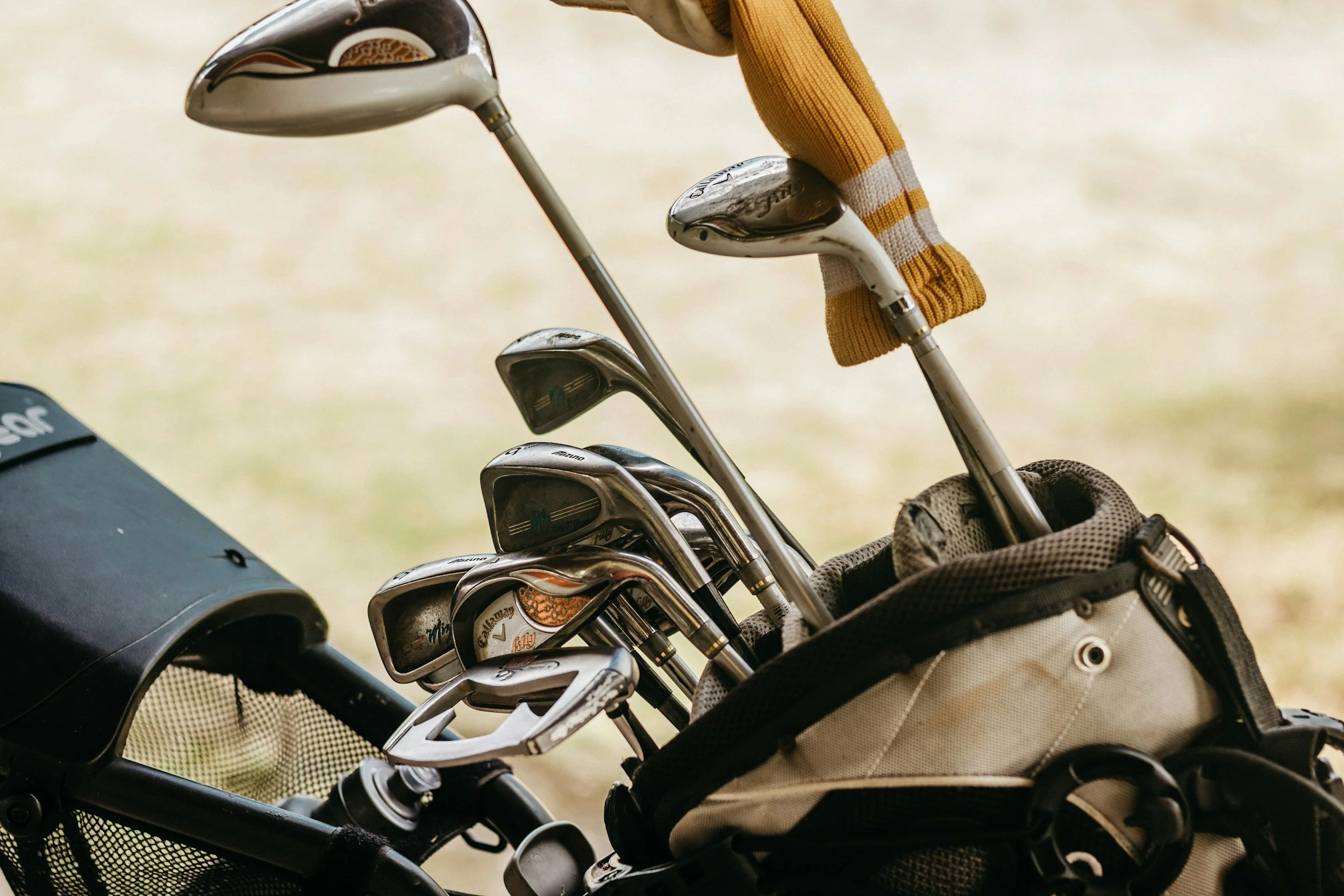
A golf set can include up to 14 clubs under the Rules of Golf, but most players do not need to carry the maximum. This guide explains what is usually in a full set, how beginners can simplify their bag, and how to choose clubs that fit skill level, comfort, and playing style.
Our Guides
This beginner’s guide explains what each major type of golf club does, when to use it, and why understanding club roles can make the game feel simpler and more approachable. It also shows how smarter club choices help both new and experienced golfers improve confidence, consistency, and scoring.
Choosing between new and used golf clubs as a beginner comes down to budget, forgiveness, fit, and how committed you are to learning the game. This guide explains the real trade-offs, what to look for in either option, and how to build a smart first set that helps you improve without overspending.
This beginner’s guide explains how to buy your first set of golf clubs with confidence, focusing on forgiveness, simplicity, comfort, and value instead of unnecessary complexity. It covers which clubs beginners actually need, whether to buy new or used, how fitting and shaft choice affect play, and the most common mistakes first-time golfers should avoid.
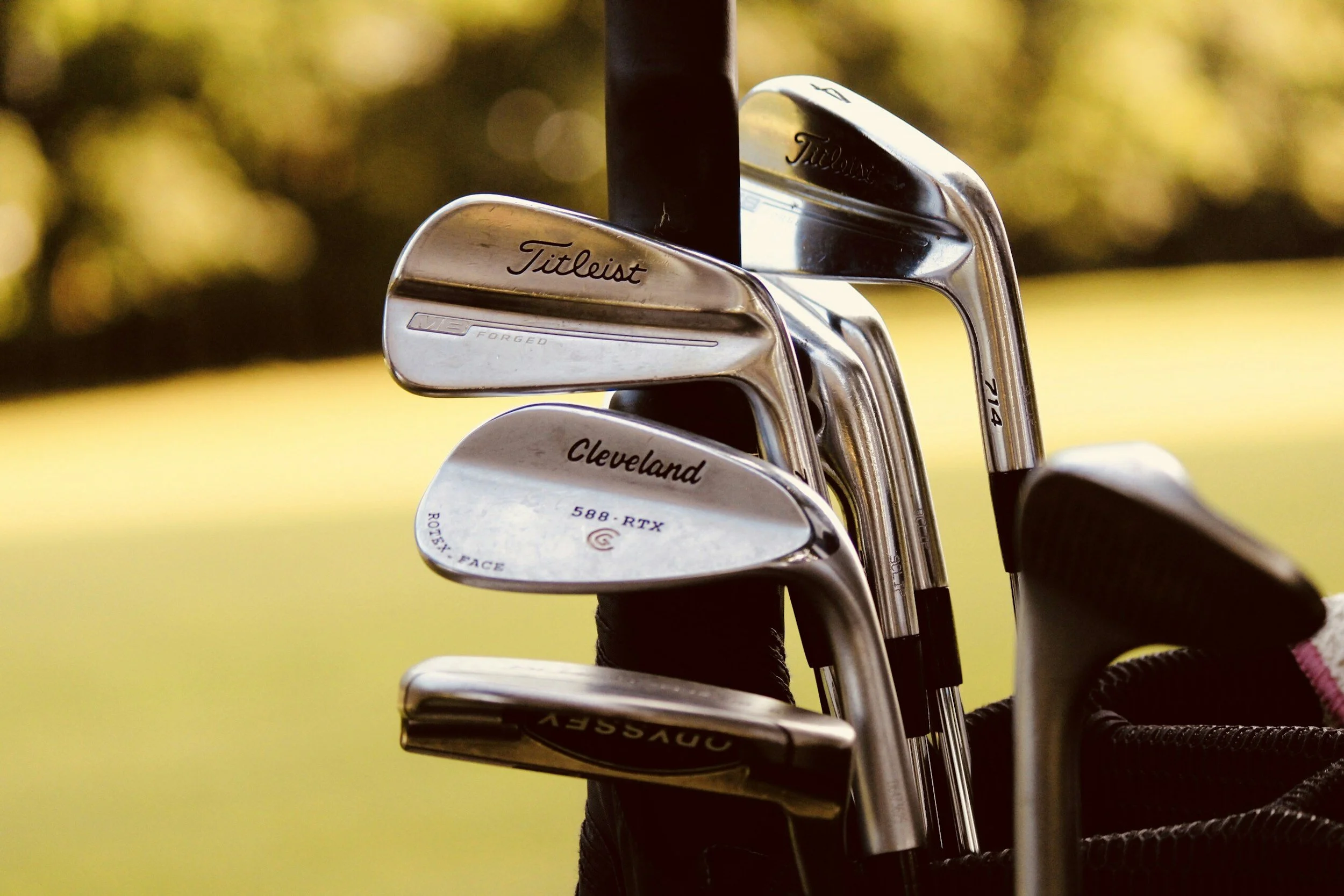
This beginner-friendly guide explains the purpose of every major type of golf club, from drivers and fairway woods to hybrids, irons, wedges, and putters. It also helps new golfers understand loft, distance, gapping, and smart club selection so they can build a practical set and make better decisions on the course.
This guide explains what to expect during a full 18-hole round of golf, from preparation and first-tee nerves to etiquette, pace of play, course management, and the mental side of finishing strong. It helps beginners feel more confident while also offering practical reminders that experienced golfers can use to play smarter and enjoy the round more.
Our Reviews
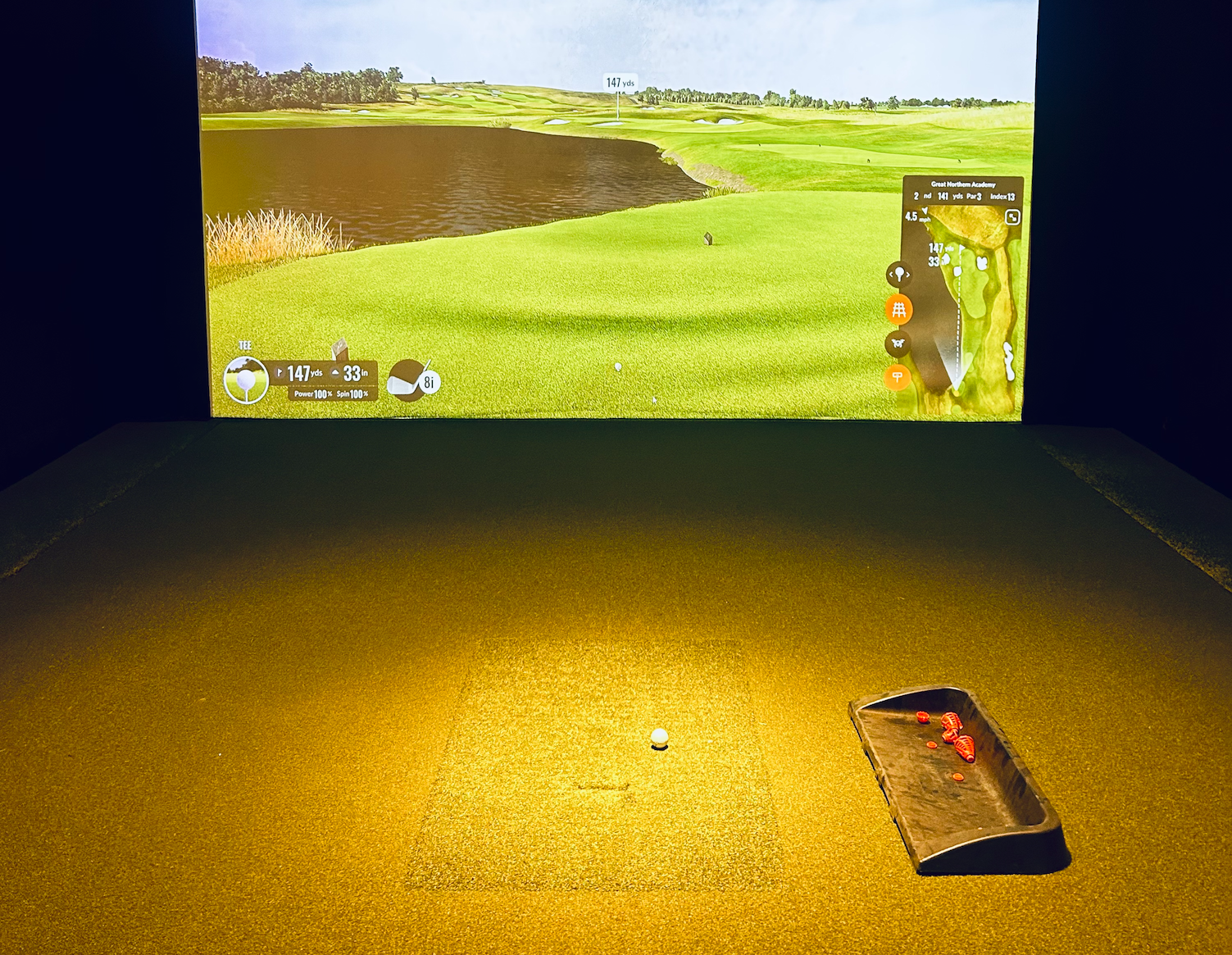
Teeton Golf in Idaho Falls offers a modern indoor golf experience built around TrackMan technology, flexible 24/7 access, and a self-serve model that makes practice and play easy. This review covers what to expect, who it is best for, and why it stands out as one of the most useful indoor golf options in the Idaho Falls area.
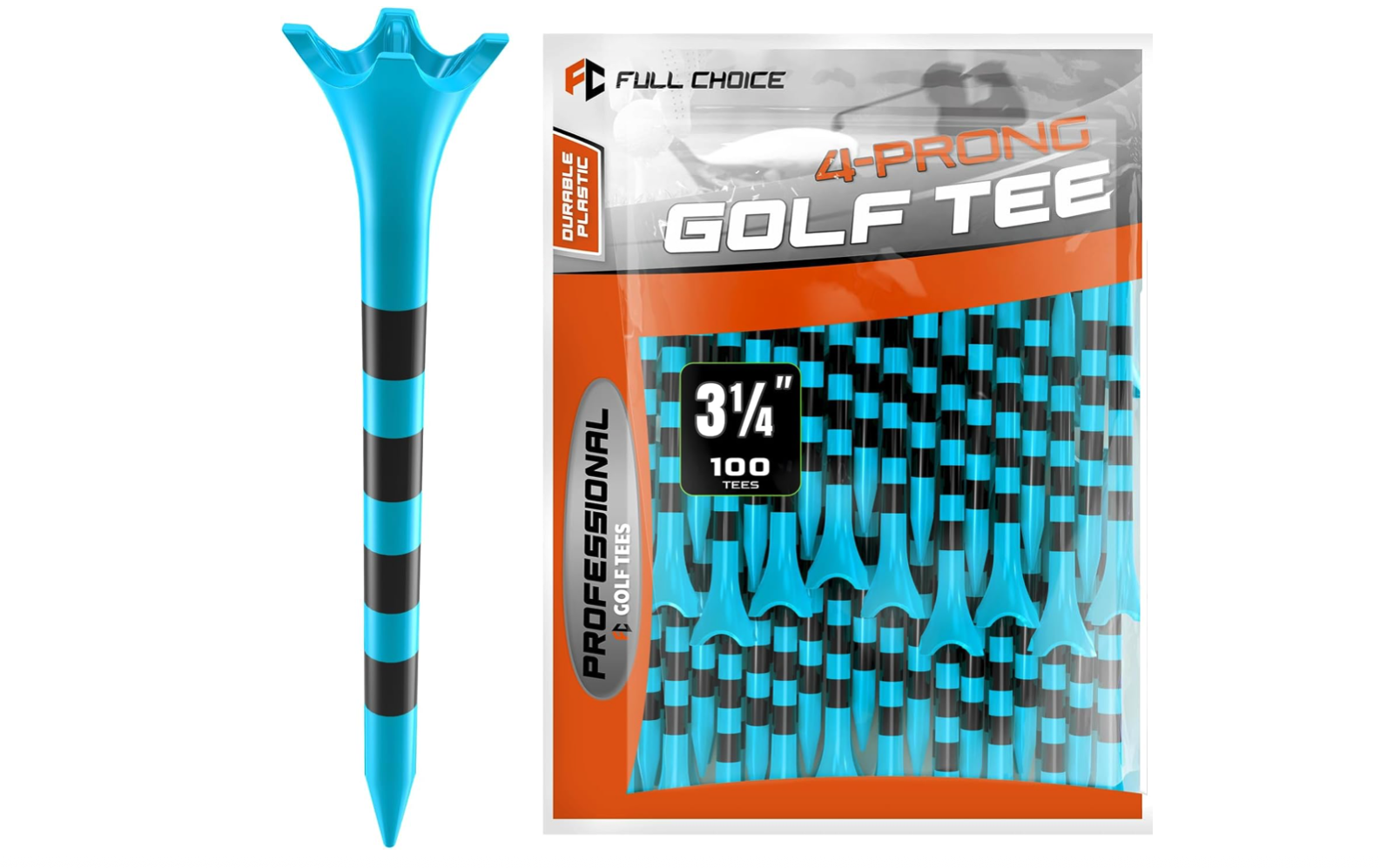
This review explains why Full Choice Plastic Golf Tees are a practical option for golfers who want fewer broken tees, more consistent setup, and dependable driver tee height. It also breaks down who these tees are best for, how they compare with wooden tees, and whether their low-friction plastic design offers any real on-course benefit.
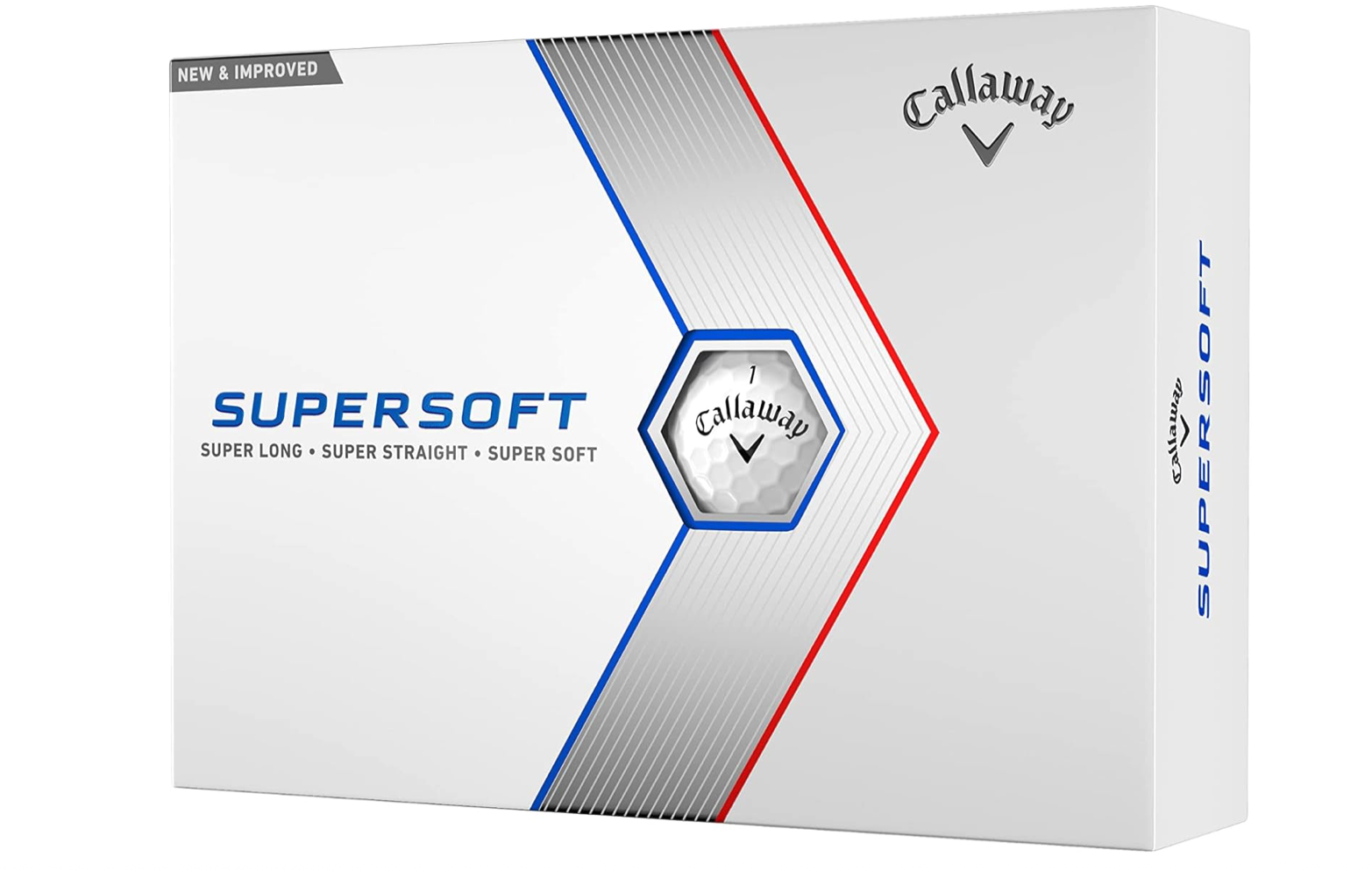
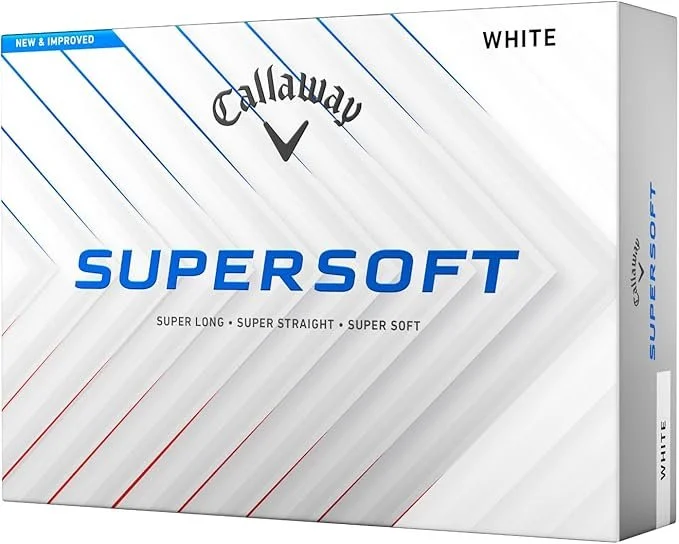
This Callaway Supersoft golf balls review explains why the ball remains a favorite for beginners, seniors, and moderate swing-speed players who want soft feel, easy launch, and dependable distance. It also covers where the Supersoft shines most, where it gives up performance to premium tour balls, and who should consider putting it in play.
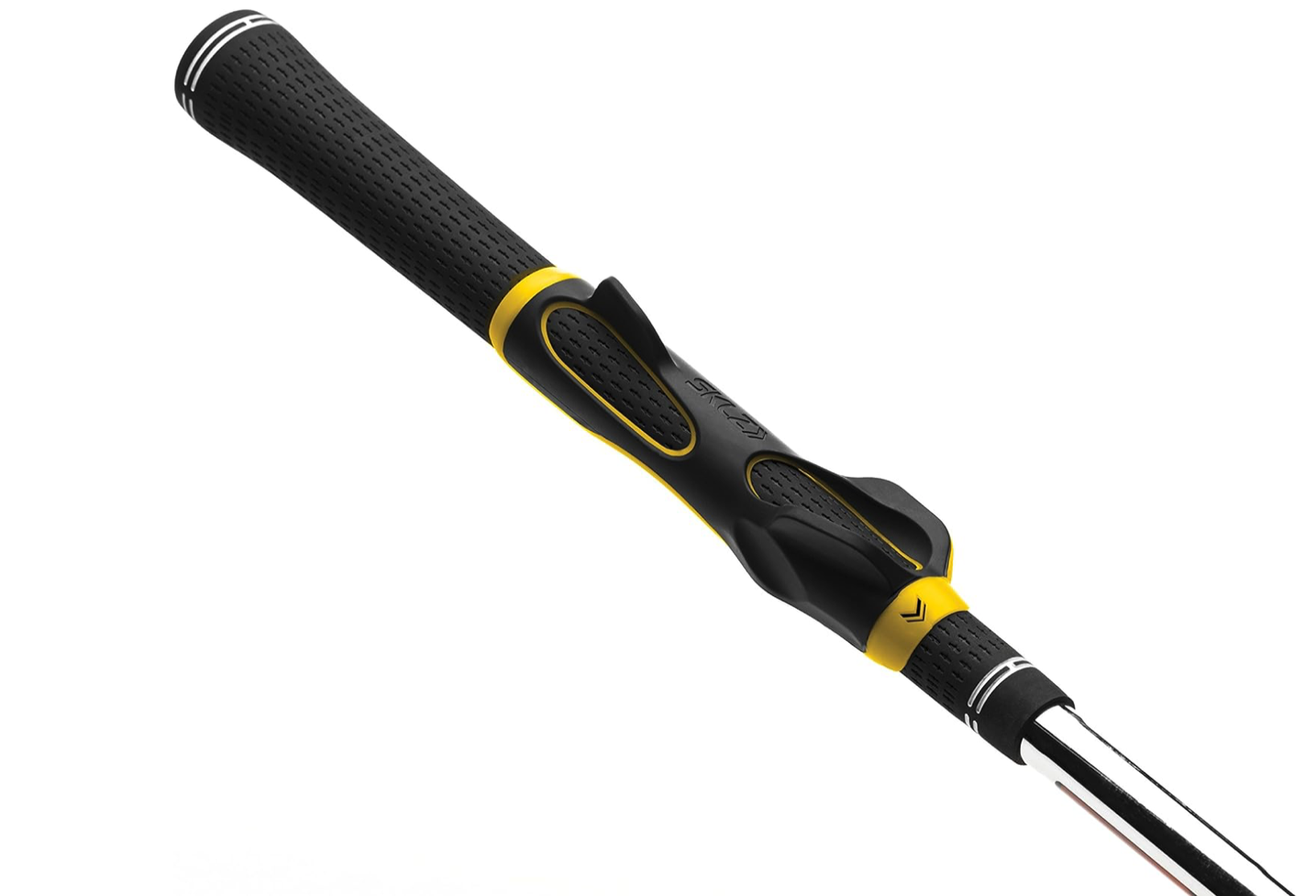
This SKLZ Golf Grip Trainer review explains how a small, right-handed golf aid can help golfers build a more neutral, repeatable grip through simple, tactile practice. It also covers who the trainer helps most, where it falls short, and whether it is worth buying for beginners, intermediate players, and low handicaps.
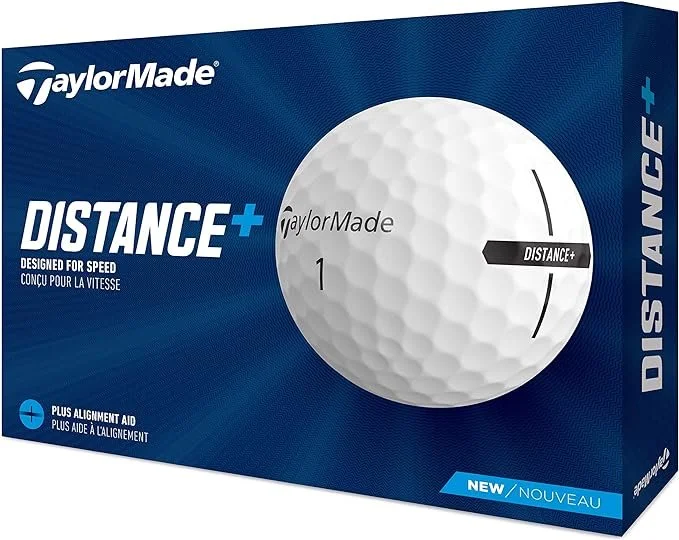
This TaylorMade Distance+ Golf Balls review explores how this budget-friendly distance ball performs for real golfers, from beginners to experienced players looking for value. It breaks down distance, feel, greenside control, durability, visibility, and who should actually play it.
This Callaway Supersoft Golf Balls review explores why the Supersoft remains one of the most popular choices for beginners, casual golfers, and many experienced players who want soft feel, forgiveness, solid distance, and great value. The article breaks down performance, durability, greenside control, visibility, ideal player fit, and whether the Supersoft is worth buying.