

How Old Do You Have to Be to Drive a Golf Cart?
There is no single universal age requirement to drive a golf cart because the answer depends on local law, course policy, private-property rules, and whether the vehicle is a standard golf cart or a low-speed vehicle. This guide explains how age, licensing, supervision, safety, and vehicle classification all affect when someone can legally and safely operate a golf cart.

How Do You Hold a Golf Club?
Learning how to hold a golf club starts with building a neutral, repeatable grip that improves clubface control, contact, and consistency. This guide explains proper hand placement, grip pressure, common grip styles, and the mistakes golfers should avoid to create a more reliable swing.
How to Regrip Golf Clubs
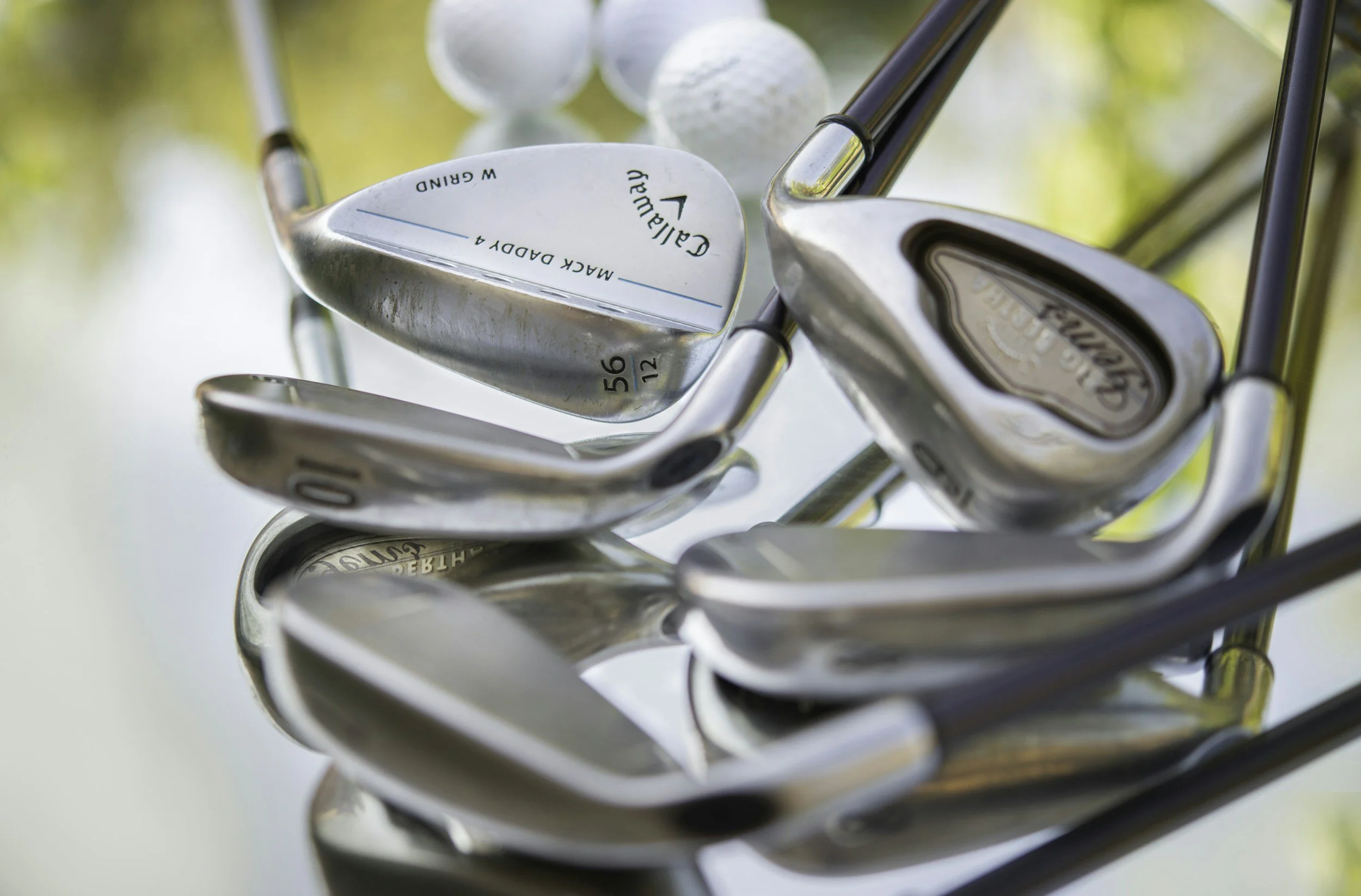
This in-depth guide explains how to regrip golf clubs, why fresh grips matter, how often grips should be replaced, and how to choose the right grip size for better comfort, control, and consistency. It also walks golfers through the full regripping process, outlines the tools needed, and answers common questions about DIY installation, grip care, and equipment conformity.
What Hand Do You Wear Your Golf Glove On?
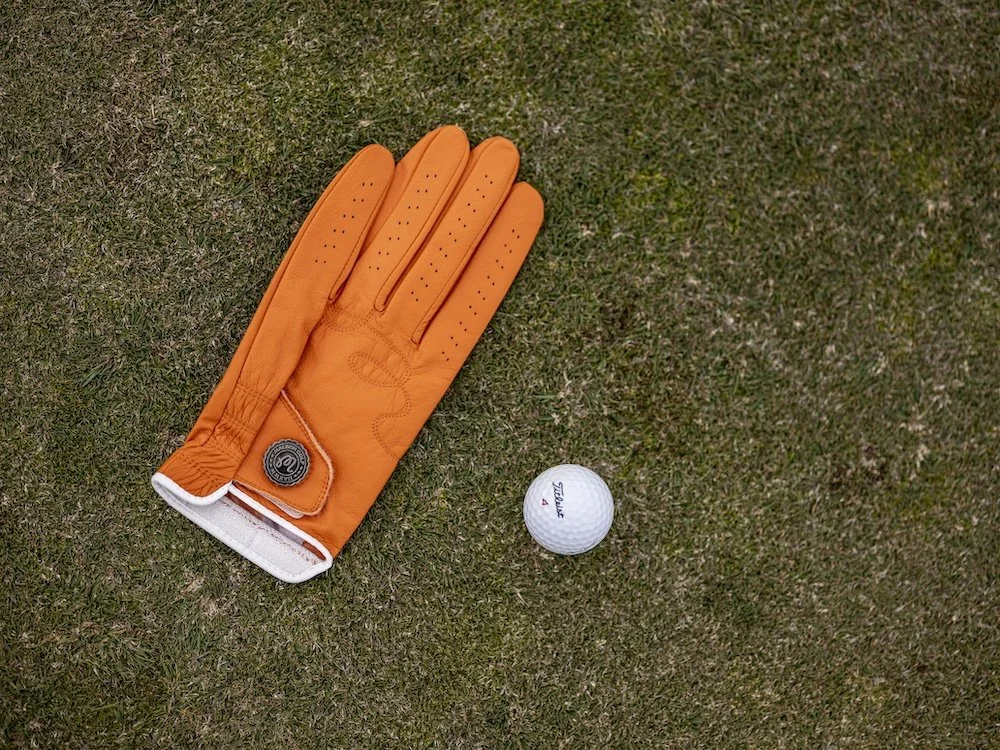
Wondering what hand a golf glove goes on? This guide explains why most golfers wear a glove on their lead hand, how proper fit improves grip and comfort, and when golfers choose to wear one glove, two gloves, or none at all.

How Much Does a Golf Cart Weigh?
Golf cart weight can range from about 600 to 1,200 pounds or more depending on seating, power source, battery setup, and accessories. This guide explains average golf cart weight, why it matters for towing and storage, and how batteries, lift kits, and add-ons can quickly change the real-world total.

How to Hit a Draw in Golf
Learning how to hit a draw in golf starts with understanding the relationship between clubface, swing path, and centered contact. This guide explains how beginners and better players can build a reliable draw with smart setup changes, practical swing thoughts, and simple practice drills for both drivers and irons.

How to Chip in Golf
This guide explains how to chip in golf using a simple, repeatable setup, a body-driven motion, smart club selection, and clear landing-spot strategy. It also covers the difference between chipping and pitching, common mistakes, and practical drills that help both beginners and experienced players improve around the green.
Beginner’s Guide to Drivers, Irons, Wedges, Hybrids, and Putters
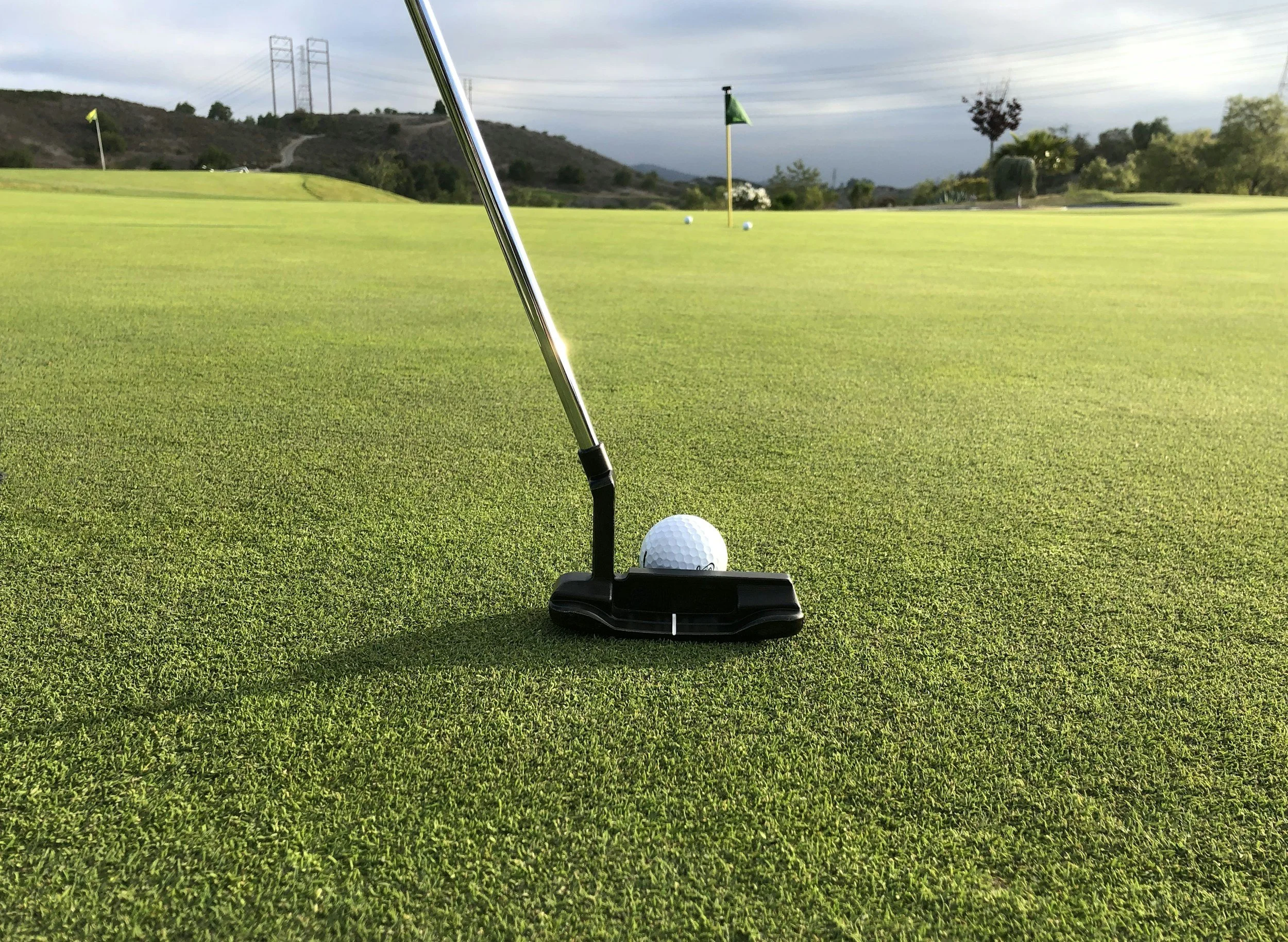
This beginner’s guide explains what each major type of golf club does, when to use it, and why understanding club roles can make the game feel simpler and more approachable. It also shows how smarter club choices help both new and experienced golfers improve confidence, consistency, and scoring.

Guide to New Clubs vs. Used Clubs for Beginners
Choosing between new and used golf clubs as a beginner comes down to budget, forgiveness, fit, and how committed you are to learning the game. This guide explains the real trade-offs, what to look for in either option, and how to build a smart first set that helps you improve without overspending.

Beginner’s Guide to Buying Your First Set of Golf Clubs
This beginner’s guide explains how to buy your first set of golf clubs with confidence, focusing on forgiveness, simplicity, comfort, and value instead of unnecessary complexity. It covers which clubs beginners actually need, whether to buy new or used, how fitting and shaft choice affect play, and the most common mistakes first-time golfers should avoid.
Beginner’s Guide to Golf Clubs
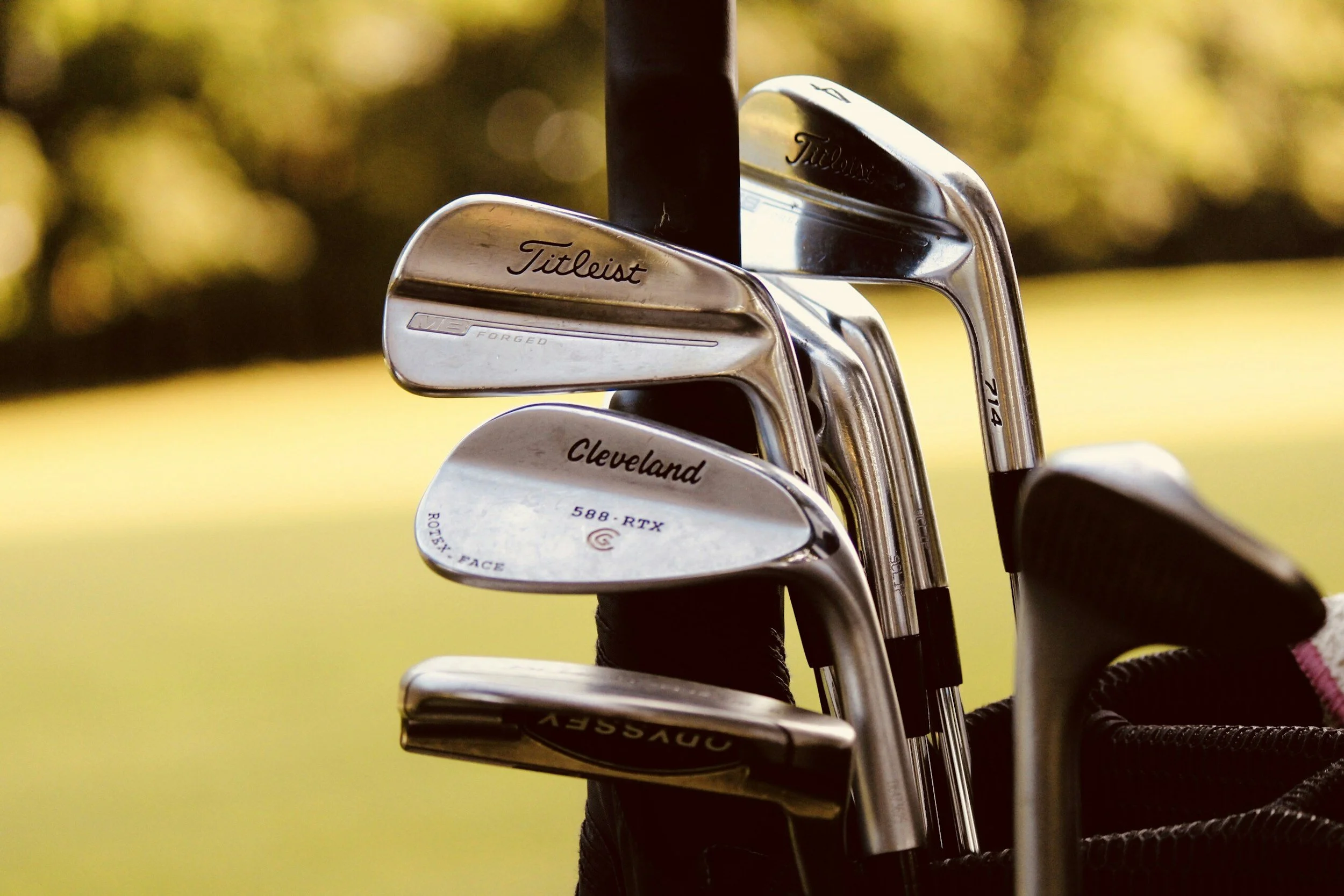
This beginner-friendly guide explains the purpose of every major type of golf club, from drivers and fairway woods to hybrids, irons, wedges, and putters. It also helps new golfers understand loft, distance, gapping, and smart club selection so they can build a practical set and make better decisions on the course.

Beginner’s Guide to Playing 18 Holes
This guide explains what to expect during a full 18-hole round of golf, from preparation and first-tee nerves to etiquette, pace of play, course management, and the mental side of finishing strong. It helps beginners feel more confident while also offering practical reminders that experienced golfers can use to play smarter and enjoy the round more.

Beginner’s Guide to Playing 9 Holes
This beginner’s guide to playing 9 holes explains why shorter rounds are one of the best ways to learn golf, build confidence, and understand pace, etiquette, and simple course strategy. It also shows why 9-hole golf remains valuable for experienced players who want focused practice, efficient play, and a more approachable way to enjoy the game.

Beginner’s Guide to Golf Course Check-In
This beginner-friendly guide explains how golf course check-in works, why arriving early matters, and what players should do before heading to the first tee. It covers timing, etiquette, dress expectations, warm-up habits, tee selection, and the simple questions that help new golfers feel confident and ready.

Beginner’s Guide to Your First Round of Golf
This beginner-friendly guide explains what to expect during your first round of golf, from teeing off and club selection to etiquette, scoring, and basic course strategy. It helps new golfers keep things simple, move confidently through the round, and enjoy the game without unrealistic expectations.

Beginner’s Guide to Your First Driving Range Visit
This beginner-friendly guide explains what to expect on your first driving range visit, from what clubs to bring and how to structure a practice session to the fundamentals of grip, posture, alignment, and tempo. It also covers range etiquette, short-game practice, driver anxiety, and how to build confidence without overwhelming yourself.

Beginner’s Guide to Your First Golf Lesson
This beginner’s guide to your first golf lesson explains what new golfers should expect, which fundamentals matter most, and how to practice in a way that builds confidence instead of confusion. It also shows why grip, posture, alignment, tempo, balance, and simple routines matter for both true beginners and experienced players returning to basics.

What to Know Before You Start Golf
Starting golf is easier and more enjoyable when you focus on the basics first, including a simple set of clubs, short-game practice, beginner-friendly rules, and proper etiquette. This guide explains how new golfers can build confidence, manage expectations, and begin learning the game without feeling overwhelmed.

How Long Does It Take to Get Good at Golf?
Getting good at golf depends on what “good” means to you, but most beginners can become comfortable in a few months and genuinely solid within one to three years with steady practice. This guide explains realistic golf improvement timelines, what helps golfers improve faster, and which skills matter most at every stage.

How to Learn Golf Step by Step
This guide explains how to learn golf step by step, from understanding the basic purpose of the game to building a repeatable setup, practicing with intention, and playing your first rounds with confidence. It also shows beginners how to focus on short game, simple strategy, etiquette, and steady improvement without getting overwhelmed.