Beginner’s Guide to Golf Course Check-In
There is a particular feeling that comes before a round of golf, and it begins well before the first swing. It starts in the parking lot, in the small rituals: shoes on pavement, bag lifted from the trunk, a glance toward the clubhouse, the faint sense that the day is asking you to behave a little better than usual. Golf does that. It makes ceremony out of simple things. And one of the first of those things, often overlooked by beginners and occasionally rushed by experienced players, is check-in.
Golf course check-in is not just administrative. It is part of the round. It sets the tempo for everything that follows. Done well, it makes the day feel orderly, calm, and playable. Done poorly, it can leave you hurrying to the first tee, apologizing to strangers, and beginning the round already behind. Arriving early and ready is widely recommended in golf guidance, with many sources suggesting players get there about 30 minutes before their tee time so they have enough time to check in, warm up, and get to the tee without rushing.
For the new golfer, check-in answers a quiet but important question: What am I supposed to do when I get there? For the regular player, it is a reminder that the game runs best when everyone honors the little courtesies. You are not merely announcing your presence. You are stepping into a shared rhythm. Golf asks for that from the beginning.
Arrive Early, Not Exactly on Time
One of the simplest truths in golf is that your tee time is not the time to arrive at the property. It is the time your group is expected to begin play. Golf organizations and instructional sources consistently advise showing up early enough to check in, prepare, and get to the starting area without a sprint. Competitive guidance from the game’s governing bodies also reflects the importance of being at the tee before the scheduled start.
For most players, arriving 30 minutes early is a useful standard. On a busy weekend, on a course you have never played, or if you need rental clubs or range balls, giving yourself even more time is wiser. The point is not to linger theatrically. The point is to begin composed. Golf is difficult enough when you are calm. There is no reason to start it breathless.
Early arrival gives you room to handle the ordinary details: paying fees, confirming your tee time, asking where to go, learning the day’s cart rules, and checking whether the first tee is on schedule. It also gives you a chance to look around. That matters more than beginners realize. Every course has its own flow. Some want you to check in at the golf shop first. Some have a starter near the first tee. Some separate carts, practice areas, and range tokens into three different stops. Knowing the layout before you are rushed is part of playing smart.
What Check-In Actually Means
At its most basic, golf course check-in means letting the course know you are there and ready for your reserved time. Usually that means going into the golf shop or check-in counter, giving your name, and confirming your tee time. If you booked online, you may simply verify the reservation and pay any remaining balance. If you are walking on without a reservation, check-in is how you learn what openings exist and when you might be able to go out.
This is also when useful information changes hands. You may learn whether the course is cart path only, whether temporary conditions are in place, whether there are pace-of-play expectations posted, or whether the starter wants groups at the tee a few minutes early. Local rules and notices matter. The game’s governing bodies make clear that local rules have real authority for that course or competition, which is another reason check-in deserves your attention instead of your impatience.
For beginners, this is a good time to ask simple questions plainly. Where is the first tee? How early should your group head there? Are range balls included? Is there a practice green? What are the cart rules today? Golf rewards people who ask before assuming.
Dress Like You Respect the Place
Check-in is often the first moment a course sees you, and golf, for all its progress, still keeps an eye on presentation. Dress codes vary, but they exist at many facilities, and beginners are wise to check them before leaving home. Guidance from golf instruction and tournament materials commonly points to collared shirts, neat shorts or pants, and avoidance of gym wear, denim, or overly casual clothing depending on the facility.
This is not about snobbery so much as custom. Golf has always had a preference for order. Showing up dressed appropriately saves awkwardness at the counter and helps the day begin without friction. Even seasoned players know there is value in eliminating preventable problems. A round should challenge your swing, not your wardrobe choices.
Use Check-In to Learn the Day’s Conditions
A sharp player uses check-in as reconnaissance. Before the first shot, you can learn a surprising amount that will shape the round. Ask whether the course is wet. Ask whether carts must stay on paths. Ask whether preferred lies, maintenance areas, or temporary greens are in play. Ask whether there are delays. Ask where to warm up and whether the practice facilities are open.
This matters because golf is a game of adjustments, and the best rounds often begin with useful information rather than optimism alone. Pace-of-play guidance from both major governing bodies emphasizes being prepared, moving promptly, and reducing unnecessary delays between shots and between holes. Knowing the day’s procedures before you start supports all of that.
Warm Up With Purpose, Even If Briefly
A proper check-in creates time for a proper beginning. That does not mean you need a tour-level practice session. It means you should give your body and senses a chance to catch up to the task. Many beginner resources recommend using the minutes before your tee time for a few practice swings, some putts, and a general settling-in rather than trying to overhaul your swing on the range.
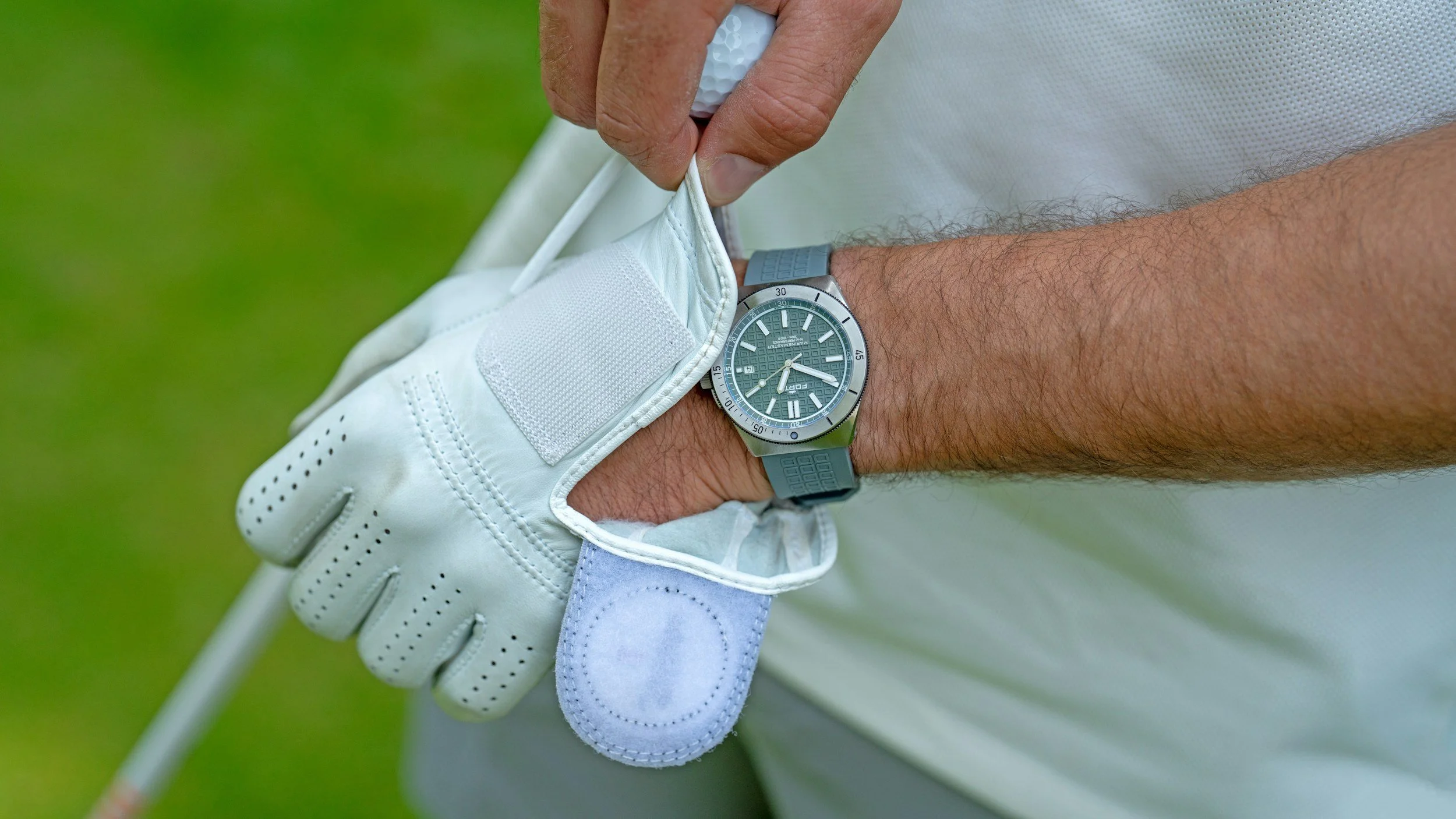
For a beginner, five or ten putts and a few half-swings can be enough. For a skilled player, a focused warm-up can help establish tempo and feel. The common thread is intention. Golf is kinder when you begin on purpose. There is no virtue in jogging to the tee with one glove half-fastened and your mind still in the car.
Be Ready for the First Tee
Check-in is successful only if it leads to readiness. By the time your group is called, you should have your glove, tee, ball, marker, and whatever else you need. Your phone should no longer be the center of your attention. Your group should know who is playing from where. And you should be close enough to the teeing area that the starter does not have to scan the horizon for you.
That last part matters. Pace of play is one of the game’s most persistent frustrations, and golf authorities continue to stress prompt play, readiness, and efficient movement as essential habits. Rule guidance also encourages a player to make a stroke in no more than 40 seconds once it is their turn and they can play safely, which tells you something about the spirit of the game before the round ever fully begins.
Choose the Right Tees Before You Cause Trouble
A useful part of pre-round check-in, especially for mixed-skill groups, is deciding where to play from. This is not vanity work. It is one of the practical choices that affects enjoyment and pace. The game’s national governing body has highlighted research showing many golfers choose tees that are too long for their ability, and that professionals overwhelmingly believe golfer experience and pace of play improve when players choose tees that fit their game.
That means beginners should not feel compelled to march to the back tees because pride told them to. It means skilled players should choose a setup that makes sense for the kind of round they want. A well-chosen tee box is not an admission. It is intelligence. It can make the day faster, more enjoyable, and more honest.
If You Are New, Tell Someone
There is no shame in telling the staff or starter that it is your first time checking in for a round, your first time at that facility, or even one of your first times playing at all. Golf can be intimidating mostly because beginners believe everyone else knows exactly what to do. In truth, every golfer has at some point stood in a golf shop pretending not to be confused.
Most staff members would rather answer a simple question than deal with a preventable delay later. If you are unsure where to park your bag, whether you should go to the starter, or when to head to the tee, ask. Golf becomes friendlier the moment you stop acting as though confusion is a personal failure.
Check-In Etiquette Matters Too
There is also a manner to check-in. Be courteous. Be concise. Have your reservation details ready. If you are paying for others, know that before you reach the counter. If your group is short a player, say so. If someone in your group is running late, mention it. If you need to cancel, do it as early as possible. Golf facilities are built around scheduling, and one person’s indifference can become another group’s inconvenience. Advice from golf publications also notes that canceling or declining a time early is better than dropping out at the last minute when possible.
This may sound minor, but golf is a game held together by many minor courtesies. Check-in is one of them. It is where respect first becomes visible.
The Best Check-In Is Almost Forgettable
That may be the final wisdom here. A good golf course check-in is almost forgettable because it clears the path for the round itself. You arrive. You confirm. You learn what you need to know. You warm up. You go to the tee on time. No drama, no confusion, no unnecessary theater. Just a smooth beginning to a game that will provide all the complication you could possibly want once the ball is in the air.
For the beginner, this routine creates confidence. For the experienced player, it protects rhythm. For everyone, it honors one of golf’s quieter truths: the round begins long before the first shot, and often the quality of the day is shaped by how you enter it.
FAQs About Golf Course Check-In
1. How early should I arrive for a golf tee time?
A good rule is to arrive about 30 minutes before your tee time. That usually gives you enough time to check in, use the practice green, ask about course conditions, and get to the first tee without rushing. On busy days or at an unfamiliar facility, arriving a little earlier is often even better.
2. Is my tee time the same as my arrival time?
No. Your tee time is when your group is expected to begin play, not when you should pull into the parking lot. Showing up exactly at your tee time usually means you are already late in practical terms.
3. Where do I check in at a golf course?
Most courses want you to check in at the golf shop or front counter. Some also have a starter near the first tee who needs to know you have arrived. If you are unsure, ask as soon as you enter the property.
4. What should I have ready when I check in?
Have your name, tee time, and payment method ready. If you booked online, it helps to have the confirmation available. If you need rental clubs, range balls, or a cart, mention that during check-in so the staff can direct you properly.
5. What questions should beginners ask during check-in?
Beginners should feel comfortable asking where the first tee is, whether range balls are included, where the practice green is, what the cart rules are, whether there are any local rules in effect, and how early they should report to the starter.
6. What happens if I arrive late to my tee time?
That depends on the course and how busy the sheet is, but arriving late can mean losing your place, being moved to a later opening, or missing the round entirely. Competitive golf takes starting times especially seriously.
7. Do I need to dress a certain way for check-in and play?
Usually, yes. Many courses have dress expectations, even if they vary by facility. Clean golf attire is the safest choice. When in doubt, check the course website or call ahead.
8. Should I warm up before the round?
Yes, even a short warm-up helps. A few putts, a few wedges, and a handful of easy swings can help you begin with better rhythm and less tension.
9. Should I tell the course it’s my first time playing?
Yes. That can help the staff or starter guide you through the process and set expectations. Most courses would rather help a beginner early than sort out confusion at the tee.
10. Does check-in affect pace of play?
Absolutely. Good check-in helps players start on time, understand local rules, choose the right tees, and arrive at the tee prepared. All of that supports faster, smoother golf.
External Sources
Recent Writings