Beginner’s Guide to Buying Your First Set of Golf Clubs
Golf begins, for many people, with a bag that looks like a toolbox in a foreign language.
A driver seems built for heroics. A wedge looks small enough to be harmless. A putter appears simple right up until you miss three five-footers in a row and begin to suspect otherwise. The beginner often thinks the mystery is in the metal. It is not. The mystery is in the choices.
Buying your first set of golf clubs is less about assembling equipment and more about giving yourself a fair chance to learn the game. That matters. The right first set can make golf feel inviting. The wrong one can make every hole feel like an argument.
For new players, the goal is not to own every club. The goal is to own enough club to learn distance, contact, trajectory, and rhythm. For experienced players, that truth never really changes. The bag gets more expensive. The questions stay the same.
What a First Set of Golf Clubs Should Actually Do
Your first set should do three things well:
It should help you get the ball airborne.
It should forgive the mishits that are part of every beginner’s education.
It should make the game simpler, not busier.
That is why many first sets are built around forgiveness, consistency, and ease of use rather than shot-making glamour. A beginner does not need a bag full of difficult clubs that demand perfect timing. A beginner needs clubs that turn decent swings into playable golf shots.
And even seasoned players know this secret: the clubs that look most impressive in the shop are not always the clubs that help most on the course.
Related: How to Regroup Golf Clubs
How Many Golf Clubs Do You Need as a Beginner?
You are allowed to carry up to 14 clubs under the Rules of Golf, but you do not need 14 clubs to start learning well. In fact, many beginners are better served by a smaller, simpler setup built around the clubs they are most likely to use with confidence.
A smart beginner setup often includes:
A driver or forgiving fairway wood
A hybrid or two
A handful of irons
A pitching wedge or sand wedge
A putter
That is enough to learn the game’s central chores: getting the ball in play, advancing it, recovering near the green, and rolling putts with some measure of dignity.
There is a quiet freedom in not owning too much golf club. Fewer options mean fewer bad decisions disguised as ambition.
Related: Guide to New Clubs Vs. Used Clubs
The Main Types of Golf Clubs
To buy your first set well, you should know what each category is supposed to do.
Driver
This is the club built for tee shots on longer holes. It is designed to hit the ball the farthest. It also has a reputation for being unruly, which is sometimes deserved. A forgiving driver can help beginners launch the ball higher and straighter without demanding perfect contact every time.
Fairway Woods
These are used for long shots from the fairway or tee. They can be a friend to players who struggle with the driver, especially off the tee. Some beginners find a fairway wood easier to control while still gaining useful distance.
Hybrids
Hybrids are one of the best inventions in modern golf. They are meant to bridge the gap between woods and irons, and many players find them easier to hit than long irons. For a first set, they often do the work of difficult clubs without all the punishment.
Irons
Irons are your middle-of-the-bag workers. They are used for a wide range of approach shots and layups. In a beginner set, cavity-back irons are common because they offer more forgiveness on off-center strikes.
Wedges
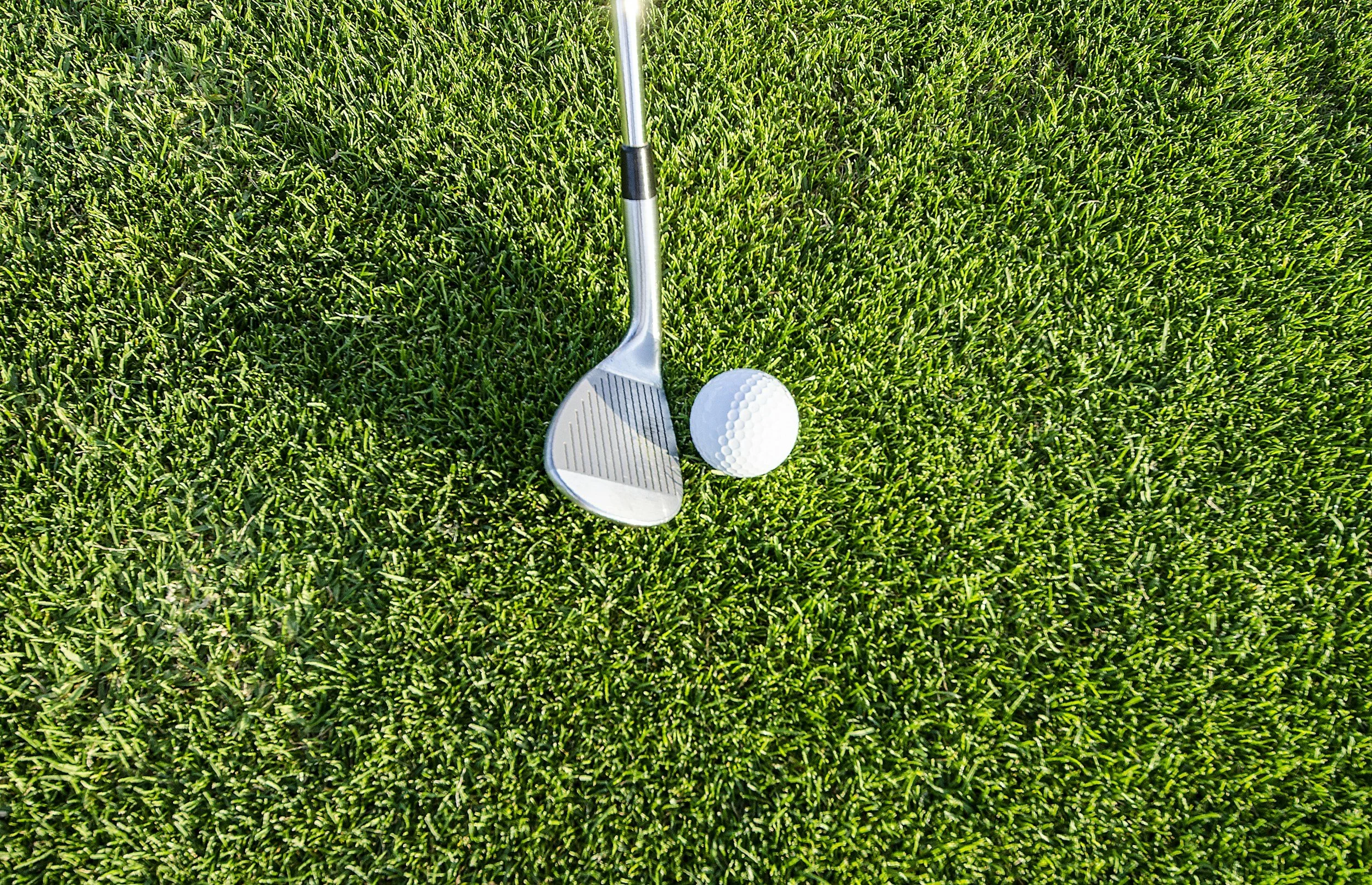
Wedges are scoring clubs. They help with shorter approach shots, chips, pitches, bunker shots, and shots that require more height and control. A pitching wedge and sand wedge are often enough for a first set.
Putter
A putter is the club you will use on the green, where golf becomes less a test of force and more a test of nerve. Putters come in different shapes, but the best first putter is usually the one that feels stable and easy to aim.
The governing bodies broadly classify clubs into woods, irons, and putters, with putters defined separately by their design and loft characteristics.
Related: Beginner’s Guide to Drivers, Irons, Wedges, Hybrids, and Putters
Should You Buy a Full Set or Build One Piece by Piece?
This is one of the first real buying decisions, and it depends on your goals.
A boxed or complete set makes sense if:
You are brand new to golf
You want convenience
You want matching clubs designed to work together
You prefer a straightforward, lower-stress buying process
Starter sets today are often sold as partial sets rather than a full 14-club loadout, which can actually suit new players well.
Building your own set makes sense if:
You already know your swing tendencies
You have hit enough clubs to know what you like
You plan to invest in fitting and upgrades
You want more control over shafts, lofts, gapping, and club makeup
For most beginners, a complete set is the cleaner choice. Golf already provides enough uncertainty. Your first trip into equipment does not need to become an engineering thesis.
New vs. Used Golf Clubs
There is no shame in used clubs. Quite the opposite. Used clubs can be one of the smartest values in golf.
Buy new if:
You want the simplest path
You prefer a warranty
You want current technology and matching components
You are buying a complete beginner set
Buy used if:
You want better quality for the same budget
You are comfortable doing a little research
You do not mind minor cosmetic wear
You are willing to mix clubs from different lines or years
The trick with used equipment is honesty. Be honest about your eye, your patience, and your appetite for comparison. A player who enjoys hunting for value can do very well. A player who wants less friction may be happier buying a clean, complete set and getting on with the business of learning golf.
What Beginner Golfers Should Look for in a First Set
When shopping for clubs, these features matter more than branding theater.
Forgiveness
Forgiveness is the great mercy of beginner equipment. More forgiving clubs help protect ball speed, launch, and direction when contact is not perfect. Since contact will often not be perfect, this is a useful trait.
Higher Launch
Many beginners struggle to get the ball in the air. Clubs designed to launch the ball more easily can make the game feel less punishing and a lot more fun.
Lightweight Shafts
Lighter clubs can help newer players create speed and swing with less strain. The right shaft weight and flex can also improve timing and consistency.
Reasonable Set Makeup
A first set does not need every possible wedge, iron, and specialty club. It needs useful spacing between clubs and a makeup that matches your actual game.
Comfortable Grip and Setup
A club that looks manageable when you set it behind the ball is worth more than a club that looks impressive in a marketing photo.
Do You Need a Club Fitting for Your First Set?
Not always. But it can help.
A first-time buyer does not necessarily need a deep, tour-style fitting session with launch monitors, gapping charts, and shaft matrices spread like medical records across a table. But even a basic fitting can be useful for checking club length, lie angle, shaft flex, and grip size. Those details can influence comfort and consistency. The game’s governing bodies also maintain equipment conformance standards for clubs used under the Rules.
Think of fitting this way: it is not a luxury reserved for elite players. It is simply a way of avoiding obviously poor matches between golfer and gear.
If you are unusually tall, unusually short, especially fast, especially deliberate, left-handed, or working around physical limitations, some level of fitting becomes more valuable.
Steel or Graphite Shafts?
This is one of those equipment questions that can sound technical until you live with the answer.
Graphite shafts
Often lighter, often easier on the body, and often a good fit for beginners seeking help with swing speed and launch.
Steel shafts
Often heavier, often more stable-feeling, and often preferred by players who like a firmer, more connected sensation.
There is no moral virtue in either choice. The best shaft is the one that helps you swing with comfort and repeatability. For many beginners, lighter options are appealing. For many experienced players, feel and control become stronger priorities over time.
What Should You Spend on Your First Set?
This depends less on your income than your certainty.
If you are golf-curious, it is wise not to spend like a person about to enter a lifelong equipment romance. Buy enough quality to learn, not enough complexity to regret. If you already know you intend to practice, play, and improve, spending a bit more on a quality beginner-friendly set can be justified.
A good first budget usually balances:
Clubs
Bag
Golf balls
Glove
Tees
A few lessons, if possible
That last item deserves emphasis. Golfers sometimes spend heavily on clubs and nothing on instruction, then wonder why the bag remains full of unanswered questions.
Common Mistakes When Buying a First Set of Golf Clubs
Buying clubs that are too advanced
Beautiful, compact, demanding clubs can flatter the ego and bruise the scorecard.
Buying too many clubs too soon
A crowded bag can slow learning. Simplicity has instructional value.
Choosing distance over playability
A slightly shorter ball in play is usually more useful than a majestic disaster.
Ignoring comfort at address
If a club looks intimidating behind the ball, that feeling tends not to improve during the swing.
Skipping wedges and putter quality
Beginners often focus on the long clubs and forget that scoring usually unravels nearer the green.
Buying for the future instead of the present
Do not shop for the swing you hope to own in three years. Shop for the one you bring to the range this Saturday.
A Sensible Beginner Set Makeup
A practical first setup might include:
Driver
5-wood or 3-wood
4 or 5 hybrid
6-iron through pitching wedge
Sand wedge
Putter
That kind of set covers the course without making every shot feel like a referendum on your equipment choices. And as you improve, you can add clubs where your game actually asks for them.
Final Thoughts on Buying Your First Golf Clubs
The first set of golf clubs is not a final statement. It is an opening sentence.
You are not trying to solve golf in one purchase. You are trying to begin. That is different. Better, even. A first set should invite repetition. It should help you hit enough decent shots to come back. It should allow for bad swings without making the game feel impossible. It should meet you where you are.
And where you are, if you are beginning, is exactly where golf has always been most interesting: full of curiosity, mild confusion, occasional beauty, and the strange conviction that the next swing might explain everything.
FAQs About Buying Your First Set of Golf Clubs
1. How many golf clubs should a beginner carry?
A beginner can carry fewer than 14 clubs and still have everything needed to learn the game well. The Rules of Golf allow up to 14 clubs, but beginners often benefit from a simpler setup with only the most useful options.
2. What clubs should be in a beginner golf set?
A beginner golf set should usually include a driver or fairway wood, one or two hybrids, several irons, at least one wedge, and a putter. This gives new golfers enough coverage for tee shots, approach shots, short game shots, and putting.
3. Are beginner golf club sets worth it?
Yes. Beginner sets are often worth it because they simplify the buying process and usually focus on forgiveness and ease of use. Many starter sets are intentionally sold with fewer than 14 clubs, which can actually be a practical advantage for new players.
4. Should I buy new or used golf clubs for my first set?
Either can work. New clubs offer convenience and consistency. Used clubs can offer better value and let you stretch your budget. The best choice depends on whether you want the easiest purchase or the best bargain.
5. Do beginners need a driver?
Not always. Some beginners hit a fairway wood or hybrid more consistently off the tee. A driver can still be useful, but it does not have to be the center of your early golf identity.
6. What are hybrids in golf, and are they good for beginners?
Hybrids are clubs designed to blend features of woods and irons. They are often easier to launch than long irons and are commonly recommended for beginners because they are more forgiving on a wide range of swings.
7. Do I need a golf club fitting for my first set?
Not necessarily, but even a basic fitting can help you avoid clubs that are clearly the wrong length, lie angle, shaft, or grip size. Equipment used under the Rules must also conform to established standards.
8. What is the difference between steel and graphite shafts?
Graphite shafts are typically lighter and can help some beginners with speed and comfort. Steel shafts are typically heavier and may feel more stable to some players. The better choice is the one that matches your swing and feels manageable over time.
9. Can I play good golf without carrying 14 clubs?
Absolutely. Many golfers, especially beginners, do not need a full 14-club setup. Learning to play with fewer clubs can simplify decisions and help build confidence.
10. What is the biggest mistake beginners make when buying golf clubs?
One of the biggest mistakes is buying clubs that are too advanced or too difficult to hit consistently. The best first clubs are the ones that make golf easier to learn, not harder to admire.
External Sources
Recent Writings