Is Buying a Home on a Golf Course Worth It?
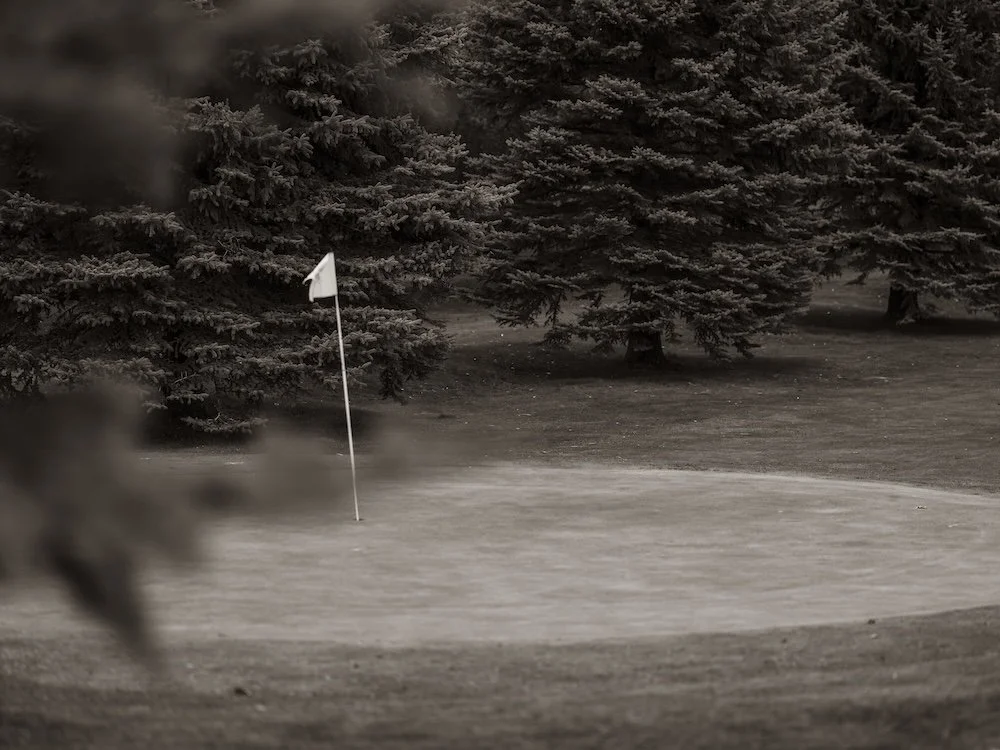
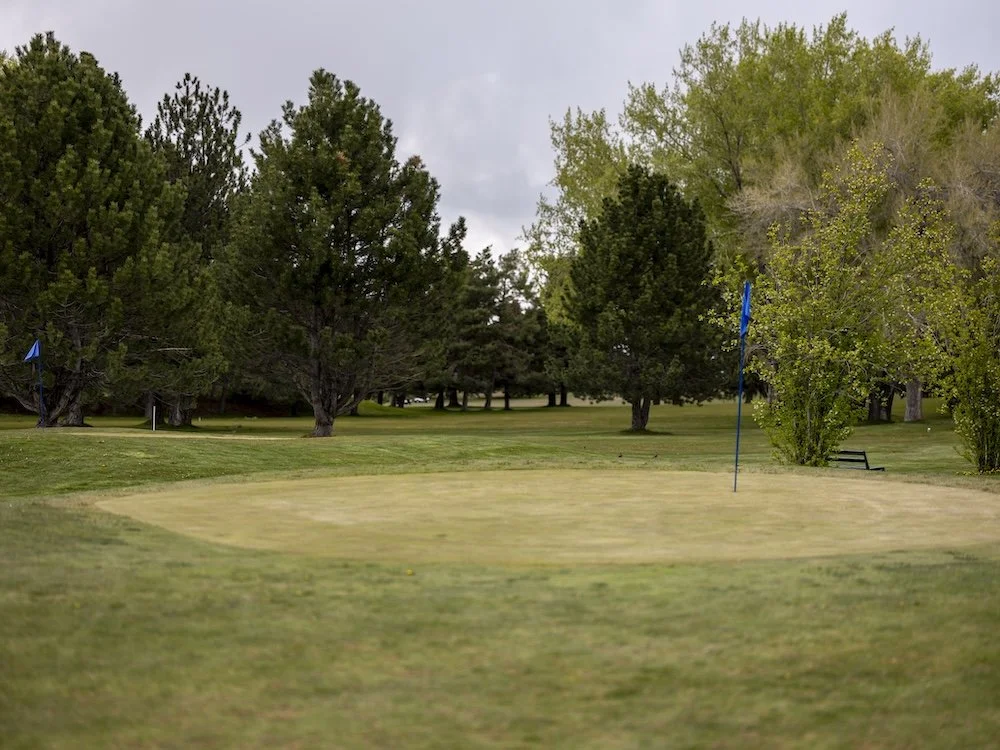
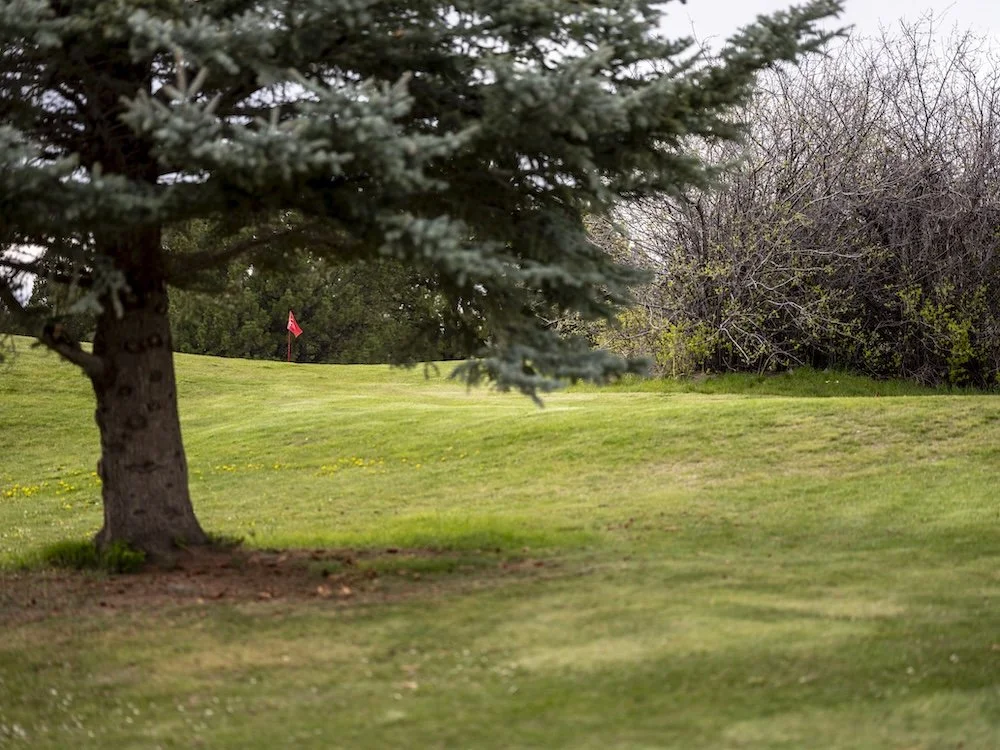
There is a certain kind of promise that comes with a house along a fairway. It arrives first as a picture in the mind: early light on cut grass, quiet paths before the day begins, the sense that your backyard opens not into a subdivision, but into something kept, measured, and calm. To many people, that vision is enough to start the search.
But a golf course home is not only a dream of scenery. It is a real-estate decision, a lifestyle choice, and, in some cases, a test of temperament.
So, is buying a home on a golf course worth it?
For the right buyer, yes. For the wrong buyer, not even close.
The answer depends on how much value you place on views, how comfortable you are with rules, how sensitive you are to noise and activity, and whether you understand that living near the game is not quite the same as visiting it. In communities governed by homeowners associations, buyers are also taking on obligations tied to dues, covenants, and use restrictions, which should be reviewed carefully before closing.
The First Thing People Notice: The View
Let’s start with the obvious. Golf course homes can be beautiful.
Even people who do not play the game understand the appeal of broad green corridors, mature trees, long sightlines, and the absence of a neighbor’s back wall a few steps beyond the patio. A course often gives a home something buyers chase everywhere else: a feeling of openness. In a housing world crowded by fences and rooflines, that can be a powerful advantage.
For some buyers, that view is the whole point. It creates a daily sense of space. It can make mornings feel quieter. It can make a modest home feel elevated. And when maintained well, association-governed communities often aim to preserve appearance and neighborhood character, which is part of why such communities can attract buyers who care about presentation and upkeep.
Still, a view is not value unless it remains desirable to the next buyer too. A house that looks out over a beautiful stretch of turf may stand out in the market, but only if the location, rules, costs, and course conditions still make sense when it is time to sell.
Resale Value: Advantage, but Not a Guarantee
A golf course location can help resale value, but it is not a magic trick.
In some communities, association structure and shared standards can support sale prices by protecting neighborhood appearance and amenities. The National Association of REALTORS® has cited research suggesting homes in HOA communities may command a price premium compared with similar homes outside such communities, though that benefit depends heavily on the specific market and the quality of management.
That is the important part: specific market.
A home beside a well-kept, active course with stable ownership and desirable amenities is a different proposition from a home beside a struggling course, a heavily trafficked cart path, or a tee box that produces constant commotion. Buyers do not purchase “golf course living” in the abstract. They purchase one lot, one angle, one noise level, one set of monthly costs, one association, one future.
The wisest way to think about resale is this: a golf course home may have stronger appeal to a certain buyer pool, but it can also be easier for some buyers to rule out. Some people love the lifestyle. Some hear “HOA,” “balls in the yard,” and “limited privacy,” and move on before they ever schedule a showing.
HOA Rules: The Fine Print Matters More Than the Fairway
Many golf course homes sit inside association-governed communities. That often means dues, rules, architectural standards, and restrictions on how owners can use and change their property. Buyers in these communities are generally agreeing to comply with governing documents such as CC&Rs, bylaws, and association policies. Those rules can cover landscaping, paint colors, parking, pets, fences, patios, satellite dishes, and more.
This can be a benefit or a burden, depending on your personality.
If you like consistency, shared maintenance, and a neighborhood that avoids visual drift, association rules may feel like protection. If you want to park what you want, build what you want, and ask nobody for approval, those same rules may feel like a low-grade form of weather.
Before buying, review:
monthly or quarterly dues
special assessments
architectural approval rules
rental restrictions
fence and landscaping policies
pet restrictions
parking rules
maintenance responsibilities for the lot, exterior, and shared spaces
That is not overthinking it. That is due diligence. Community association guidance specifically recommends reviewing governing documents carefully before purchase and asking questions when terms are unclear.
Privacy: More Open Space, Less Control
Golf course homes can feel private from a distance and exposed up close.
You may have no rear neighbor pressed against your property line, which is a clear advantage. But you may also have golfers, maintenance crews, carts, and foot traffic moving through your line of sight every day. Depending on where the home sits, your backyard can feel less like a hidden retreat and more like a stage with very polite spectators.
This varies enormously by lot.
A home tucked near a quieter stretch may feel peaceful. A home near a tee, green, bridge, or cart crossing may feel watched from breakfast through dusk. The best thing a buyer can do is visit the property at several times of day, on weekdays and weekends, and in the heart of the playing season if possible. A golf course home should be evaluated in motion, not just in listing photos.
Stray Golf Balls: Not a Myth
This is one of those issues that sounds charming until it isn’t.
Golf-ball damage is real enough that insurers serving golf operations explicitly reference damage to the property of others caused by golf balls as a known coverage issue.
That does not mean every golf course house is at constant risk. It means you should not dismiss the possibility.
The risk depends on the home’s position relative to the line of play. A house set well away from the action or shielded by trees may see little trouble. Another may collect enough balls over a season to make patio use, window replacement, roof wear, or simple peace of mind into recurring concerns.
Ask direct questions:
Has the home had broken windows?
Are there dents, cracked panes, or patched screens?
How many balls land on the property in peak season?
Have prior owners installed protective netting or impact-resistant glass?
Does the seller disclose past damage?
Disclosure matters. The National Association of REALTORS® warns that failure to disclose material issues can lead to serious claims, which is another reason buyers should ask clear, written questions during due diligence.
Noise: Usually Manageable, Sometimes Surprising
People imagine golf as quiet, and often it is. But golf course living is not silence.
You may hear early maintenance, mowers, blowers, irrigation systems, carts, voices carrying in open air, and the occasional soundtrack of a foursome discovering that confidence and execution are not the same thing. During events, busy weekends, or peak season, activity may start earlier and last longer than you expect.
This is not necessarily a deal-breaker. Many buyers find it minor compared with traffic noise or dense subdivision living. But it is still part of the package. A buyer who wants true seclusion should be honest about that before mistaking manicured land for solitude.
Lifestyle Benefits: This Is Where Golf Course Living Can Shine
For some people, the value of a golf course home is not strictly financial. It is daily-life value.
There is convenience in living where you play. There is social value in communities built around recreation and shared routines. Community associations often exist in part to maintain amenities and common areas that would be difficult for individual owners to provide on their own.
That can translate into real quality-of-life benefits:
easier access to practice and play
a stronger sense of neighborhood identity
scenic walking routes
maintained surroundings
nearby social spaces and events
a built-in atmosphere that feels recreational rather than merely residential
For avid golfers, that can be enough. The ability to step into the rhythm of the game without a long drive or a complicated plan is not a small thing. It changes how often you practice, how spontaneously you play, and how woven the game becomes into ordinary life.
For non-golfers, the appeal may still be there. Plenty of people buy the setting, not the scorecard.
Buyer Considerations: Who Should Actually Buy a Golf Course Home?
A golf course home tends to fit best when the buyer values at least some combination of the following:
scenic open-space views
neighborhood upkeep and visual consistency
recreation-centered living
association-managed amenities
a social community atmosphere
the game itself, or at least comfort with living beside it
It tends to fit poorly when the buyer strongly dislikes:
HOA oversight
recurring dues or assessments
backyard exposure
unpredictable golf-ball risk
seasonal maintenance noise
homes that appeal to a narrower buyer profile at resale
In other words, do not buy one because it looks good in photographs. Buy one because the tradeoffs suit your real life.
Questions to Ask Before You Buy
Before making an offer, it helps to slow the romance down and ask practical questions:
Where exactly is the home located relative to play?
Fairway, green, tee box, cart path, practice area, and maintenance route all matter.What are the HOA dues, and what do they cover?
Fees can buy convenience, but they also affect affordability.Are there pending special assessments?
A beautiful view gets less beautiful when surprise costs arrive.What do the governing documents restrict?
Fences, patios, exterior updates, landscaping, rentals, parking, and pets can all be affected.Has the home experienced golf-ball damage?
Ask plainly. Ask in writing.What is the property like during peak play times?
Visit when the course is active, not only when it is still.How stable and well-maintained is the course itself?
A home tied visually and emotionally to the course depends on the course staying healthy.Who is the likely future buyer for this home?
Resale begins the day you purchase.
So, Is It Worth It?
It can be.
If you love the game, enjoy ordered surroundings, appreciate open views, and do not mind the tradeoffs, buying a home on a golf course can feel less like a purchase and more like settling into a way of life. It can turn the landscape outside your windows into part of your daily pleasure.
But worth is always personal.
A golf course home is best when the things that make it special are the same things you truly value. If you crave privacy above all, hate rules, or will spend every spring worrying about the sound of impact against glass, then the fairway may be beautiful without being right for you.
The smart buyer treats the setting like a golfer treats a difficult hole: admire it, yes, but play it honestly.
FAQs About Buying a Home on a Golf Course
1. Is buying a home on a golf course a good investment?
It can be, especially if the home has strong views, sits in a well-managed community, and the course remains desirable over time. But resale value depends on the lot, the market, the HOA structure, and how buyers perceive the tradeoffs.
2. Do golf course homes hold their value better?
Some do, especially in communities where appearance, amenities, and maintenance are well preserved. But a golf course address alone does not guarantee stronger appreciation or easier resale.
3. Are golf course homes more expensive?
They often can be, particularly if they offer premium views or easy access to amenities. Buyers should also factor in HOA dues, possible special assessments, and maintenance considerations.
4. Do golf balls really hit houses on golf courses?
Yes, that risk is real, though it varies widely by location on the course. Homes near landing areas, doglegs, tees, or greens may face more risk than homes tucked farther away or shielded by landscaping.
5. Are golf course homes noisy?
They can be noisier than some buyers expect. Maintenance equipment, golf carts, early grounds work, and player activity can all create sound, especially during peak season.
6. Do golf course communities usually have HOA rules?
Many do. Rules may cover exterior changes, landscaping, parking, rentals, fences, pets, and other details. Buyers should read all governing documents before purchasing.
7. Is a golf course home only worth it for golfers?
No. Some buyers want the view, the open space, and the maintained setting more than the sport itself. Still, non-golfers should be realistic about activity, visibility, and rules.
8. How can I tell if a golf course home has enough privacy?
Visit the property at different times of day and during active playing hours. Stand in the yard, on the patio, and inside the main living areas. Privacy on paper and privacy in practice are not always the same.
9. What should I ask before buying a golf course house?
Ask about HOA fees, special assessments, prior golf-ball damage, maintenance schedules, course traffic, seller disclosures, and any restrictions on changes to the property.
10. What kind of buyer is best suited for a golf course home?
Usually someone who values scenery, community standards, recreational living, and a certain rhythm of neighborhood life more than total privacy or complete independence from rules.
External Sources
National Association of REALTORS® — Top Claim Against Agents: Failure to Disclose
Community Associations Institute — Homebuyer’s Guide: What to Know About HOAs
Community Associations Institute — First-Time Homebuyers Guide to HOAs
Community Associations Institute — What to Know Before You Buy in a Community Association
Recent Writings