How Outdoor Sun Screens Make Backyard Putting Greens and Patios More Comfortable
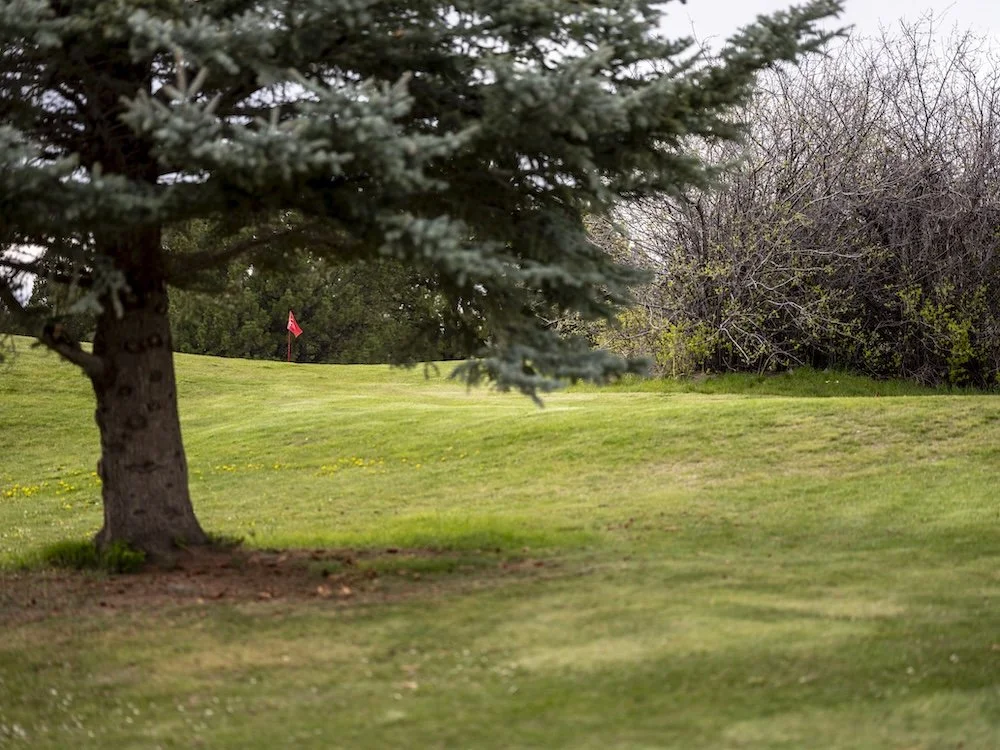
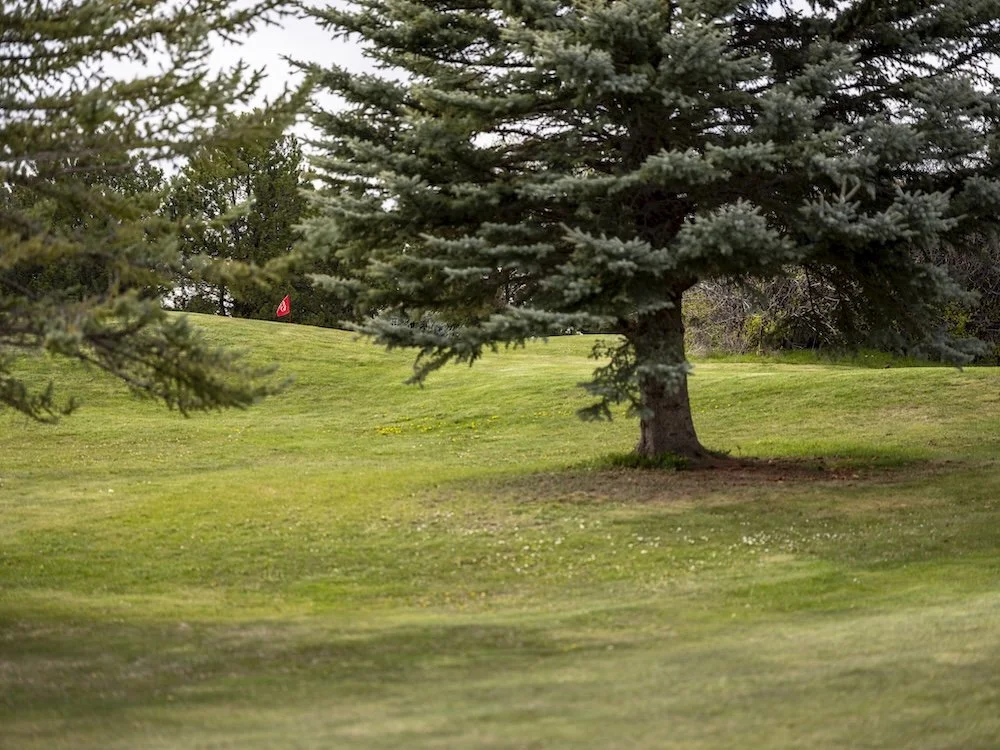
There is a certain kind of golfer who does not need a tee time to think about golf. A cup in the yard will do. A putter leaning by the back door will do. Ten quiet minutes before dinner, rolling a few balls across a practice surface while the light starts to soften, can feel like enough.
That is part of the charm of a backyard putting green. It is not always about grinding mechanics. Sometimes it is about proximity to the game. Sometimes it is about stepping outside and finding a little order in the day.
But there is a truth every homeowner learns sooner or later: the sun can turn a good outdoor space into a place you leave too early. Harsh glare makes it hard to see the line. Heat radiating off nearby surfaces can take the pleasure out of practice. UV exposure adds another layer of concern, especially when a quick session turns into a long one. Outdoor shade solutions can help with all of that by reducing solar heat gain, cutting glare, and improving comfort in the spaces where people gather and practice.
That is where outdoor sun screens start to matter.
They are not only a home upgrade. For golfers, they can be the difference between an outdoor area that looks good in a photo and one that actually gets used.
Why comfort matters for backyard golf practice
A backyard putting green is supposed to invite repetition. Roll a few putts. Hit another one. Stay with it long enough to notice something. Tempo improves that way. Distance control improves that way. Confidence does too.
But practice has a way of shrinking when the setting works against you. Bright sun reflected off windows, stone, water, or light-colored patio surfaces can make it difficult to track the ball cleanly. Heat buildup can shorten sessions. An uncomfortable space becomes a space you admire from indoors instead of using. Exterior shading is widely recommended as a way to reduce glare and solar heat entering a home and adjacent living areas, especially when the goal is to keep a space cooler and more usable.
For the golfer who practices at home, that matters. Good practice is not always long practice. But it is hard to build any routine at all if the setting feels punishing by midday.
What outdoor sun screens actually do
Outdoor sun screens are designed to intercept sunlight before it becomes a larger comfort problem. Positioned on the exterior, they help block part of the sun’s heat and brightness before it reaches glass and nearby living areas. The U.S. Department of Energy notes that solar screens can reduce solar heat gain, UV damage, and glare while still allowing light transmission and a view outward.
That combination is the appeal.
You are not necessarily trying to turn the patio dark. You are trying to take the edge off. You want enough daylight to enjoy the yard, enough visibility to watch a putt track toward the hole, and enough shade to keep the space from feeling overexposed.
For a golfer, that can mean:
less glare when reading short putts
a cooler patio beside the practice area
a more comfortable place to sit between drills
less strain during warm afternoons
more consistent use of the space across the season
And for everyone else in the household, it means the same area can function as an outdoor room instead of a hot zone that gets abandoned until evening.
Less glare, better putting
Putting is a game of small details. Slope. Shine. Grain. Shadow. The eye is always working, even when the stroke looks simple.
Glare gets in the way of that. It washes out contours. It changes how the surface reads. It can make a practice green feel visually noisy, especially when the surrounding patio or windows are bouncing light back toward the player. Outdoor screens help soften those conditions by reducing brightness and reflected light in the surrounding area. The Department of Energy specifically identifies glare reduction as one of the benefits of solar screens and exterior shading.
That may not sound dramatic, but golfers know better. Better visual comfort often leads to better focus. And better focus is half the battle on the greens.
A backyard putting green will never replicate every condition found on a full course, and it does not need to. Its value is in repetition, feel, and convenience. A more visually comfortable setting simply helps you get more from those repetitions.
UV protection is part of the story too
Many golfers think about sun exposure on the course and forget about it at home. That is understandable. A backyard session feels casual. A few putts after work do not always register as “time in the sun.” But the body counts it all the same.
Major health organizations consistently recommend shade as one of the simplest ways to reduce UV exposure outdoors. Too much exposure to UV rays raises the risk of skin damage and skin cancer, and seeking shade is a core sun-safety recommendation.
This does not mean outdoor screens replace sunscreen, proper clothing, or sunglasses. They do not. It means they can become part of a smarter outdoor setup. If your patio and practice area are more shaded and less reflective, you create a more forgiving environment for daily use.
For golfers who spend plenty of time outdoors already, that is not a minor benefit.
A more usable patio becomes a better golf space
One of the nice things about a backyard putting green is that it rarely serves just one purpose. The best ones live next to patios, grills, chairs, coolers, family conversations, and the ordinary rhythms of home life.
That is why the patio matters almost as much as the green.
If the seating area is too bright or too hot, people do not linger. If the space becomes comfortable, the whole yard changes character. The golfer gets a more inviting practice environment. Guests have a better place to gather. Families spend more time outside. And the yard starts to work as a true outdoor living area instead of a collection of features.
Shade can also help moderate nearby temperature conditions. The Department of Energy notes that shading and landscaping can reduce surrounding air temperatures, and shaded areas near the home are often meaningfully cooler than exposed surfaces.
In plain language: when the area around a putting green feels better, the putting green gets used more.
Why this matters to beginners and serious players alike
For the beginner, comfort is often the difference between trying something and sticking with it. A backyard practice space that feels easy to step into lowers the barrier. You are more likely to pick up the putter, hit a few, and build familiarity with setup, pace, and contact.
For the experienced player, the value is different. The home green becomes a place to maintain touch. To rehearse start line. To reset after a bad round. To stay connected to the craft without needing a full practice facility every time.
In both cases, environment matters.
A good practice habit is not only built on discipline. It is built on convenience and invitation. Outdoor sun screens support both by making the area more comfortable in the hours when people actually want to use it.
What to think about when planning screens near a putting green or patio
Not every outdoor shade setup needs to be elaborate. But it should be intentional.
When thinking through an outdoor sun screen project near a backyard green, homeowners usually do best when they consider:
Sun angle during the hottest part of the day
Watch where the strongest light comes from in late morning and afternoon. West- and south-facing exposures are often the biggest trouble spots for heat and glare, and exterior shading is commonly recommended for those orientations.
Sight lines
A golf practice area should still feel open. The goal is usually to preserve the yard view while reducing harshness, not to wall the whole space off.
Patio use
Think beyond the green itself. Where do people sit? Where do they watch? Where does the light become unpleasant first? Often the best comfort gains come from screening the edge of a patio or covered outdoor area beside the practice surface.
Material performance
Different screen materials vary in openness, privacy, and solar control. The right choice depends on whether the priority is view preservation, stronger shade, airflow, or a balance of all three.
Overall backyard flow
The best backyard golf spaces do not feel like separate islands. The green, patio, seating area, and shade all work together. That is what makes the space feel natural and lived in.
A better backyard golf experience is often a simpler one
There is a temptation, with home golf projects, to think first about size, contours, fringe, speed, or accessories. Those things matter. But comfort may matter more than people expect.
If the light is too sharp, if the patio is too hot, if the sun drives everyone back inside, the space loses its rhythm. The practice green becomes a feature instead of a habit.
Outdoor sun screens help solve the unglamorous problem that often determines whether the yard gets used at all. They reduce glare. They help with heat. They support UV-conscious outdoor living. They make the patio more livable and the putting green more inviting.
And that, in the end, is what most golfers want from a home setup.
Not perfection.
Just a place that asks you to stay a little longer.
FAQs About Outdoor Sun Screens, Patios, and Backyard Putting Greens
1. Do outdoor sun screens really make a patio more comfortable?
Yes. Outdoor sun screens can reduce glare, cut solar heat gain, and make an outdoor area feel more usable during sunny parts of the day. They help soften the intensity of direct light without fully enclosing the space.
2. Are outdoor sun screens good for backyard putting greens?
They can be very helpful when installed around adjacent patios, windows, covered areas, or exposure points that create glare and heat. While they do not change the putting surface itself, they can improve the comfort and visibility of the surrounding practice environment.
3. Will sun screens help reduce glare when putting?
Yes. Glare reduction is one of the main benefits of solar screens and exterior shading. Less reflected brightness can make it easier to see the surface and follow the line of a putt.
4. Do outdoor screens provide UV protection?
They can help reduce UV exposure as part of a larger sun-safety strategy. Shade is widely recommended by major health organizations to reduce exposure to harmful ultraviolet rays, though it should still be paired with sunscreen, protective clothing, and sunglasses.
5. Are outdoor sun screens only useful in very hot climates?
No. They can be useful anywhere strong sunlight, glare, and heat buildup affect comfort. Even in moderate climates, west-facing light and reflective surfaces can make patios and practice spaces less pleasant.
6. Can outdoor screens help me use my backyard putting green more often?
In many cases, yes. A more comfortable backyard tends to get used more. If the patio feels cooler and the light is easier on the eyes, short practice sessions become more appealing and easier to fit into daily life.
7. Should I place the screens right next to the putting green?
Not always. In many backyard layouts, the best location is around the patio, pergola, porch opening, or windows and doors that send heat and glare into the practice area. The ideal placement depends on sun angle, views, and how the whole space is used.
8. Do outdoor sun screens block the view?
Many are designed to preserve outward visibility while reducing glare and sunlight intensity. The degree of openness depends on the material selected, but many homeowners choose screens specifically because they offer shade without making the space feel closed off.
9. Are outdoor screens better than interior shades for this kind of space?
For controlling solar heat and glare before it reaches the glass or patio edge, exterior shading is often preferred. The Department of Energy notes that exterior shades are generally best when the goal is to reduce solar heat gain.
10. What is the biggest benefit for golfers specifically?
For most golfers, it is the combination of comfort and consistency. A space that is less harsh, less reflective, and easier to spend time in makes practice more likely to happen, and regular practice is what produces results.
External Sources
Recent Writings