Artificial Turf Putting Greens: The Backyard Golf Upgrade That Gives More Than It Takes
There is a certain kind of golfer who does not need much of an invitation.
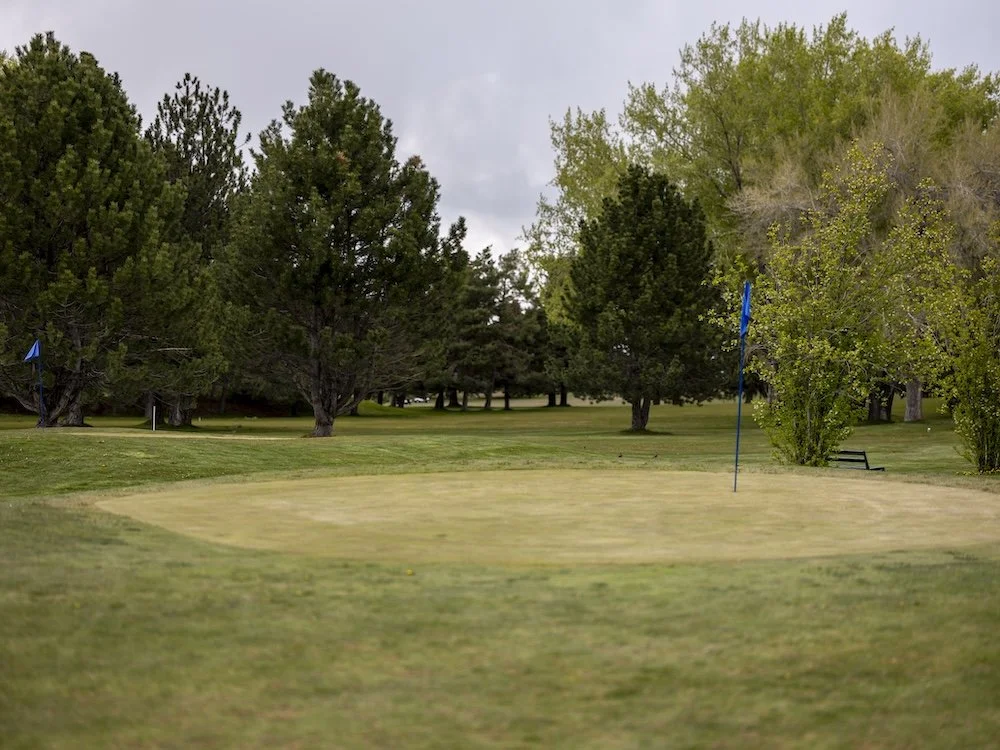
A flag in the corner of the yard will do. A putter by the back door will do. A handful of golf balls and ten quiet minutes before supper will do. For some, that is practice. For others, it is therapy dressed as practice. Either way, the appeal is easy to understand. A backyard putting green brings the game closer. It turns dead space into useful space. It gives the short game a home.
And for many homeowners, artificial turf makes that dream far more realistic.
Natural grass can be beautiful, but it asks a lot. Water. Fertilizer. Mowing. Repair. Patience. Artificial turf, when designed and installed well, offers a different bargain: a consistent surface, less day-to-day upkeep, and a place to putt, chip, compete, teach, and unwind without needing to run a small grounds crew on weekends. Good drainage and a sound base matter enormously in any putting surface, because water management is one of the main drivers of long-term performance.
That does not mean every synthetic green is great. Some are little more than outdoor carpet with a cup cut into them. But a well-built artificial turf putting green can be one of the smartest golf upgrades a homeowner makes, especially if the goal is to practice often, entertain casually, and keep maintenance from becoming the whole hobby.
Why Backyard Putting Greens Appeal to So Many Golfers
The short game is where golfers live. It is where rounds are saved, nerves are tested, and scores are often made or broken. Putting and short-game work deserve a large share of practice time because those are the shots golfers hit constantly and feel most intensely.
That is part of the magic of a backyard green. It lowers the barrier to practice.
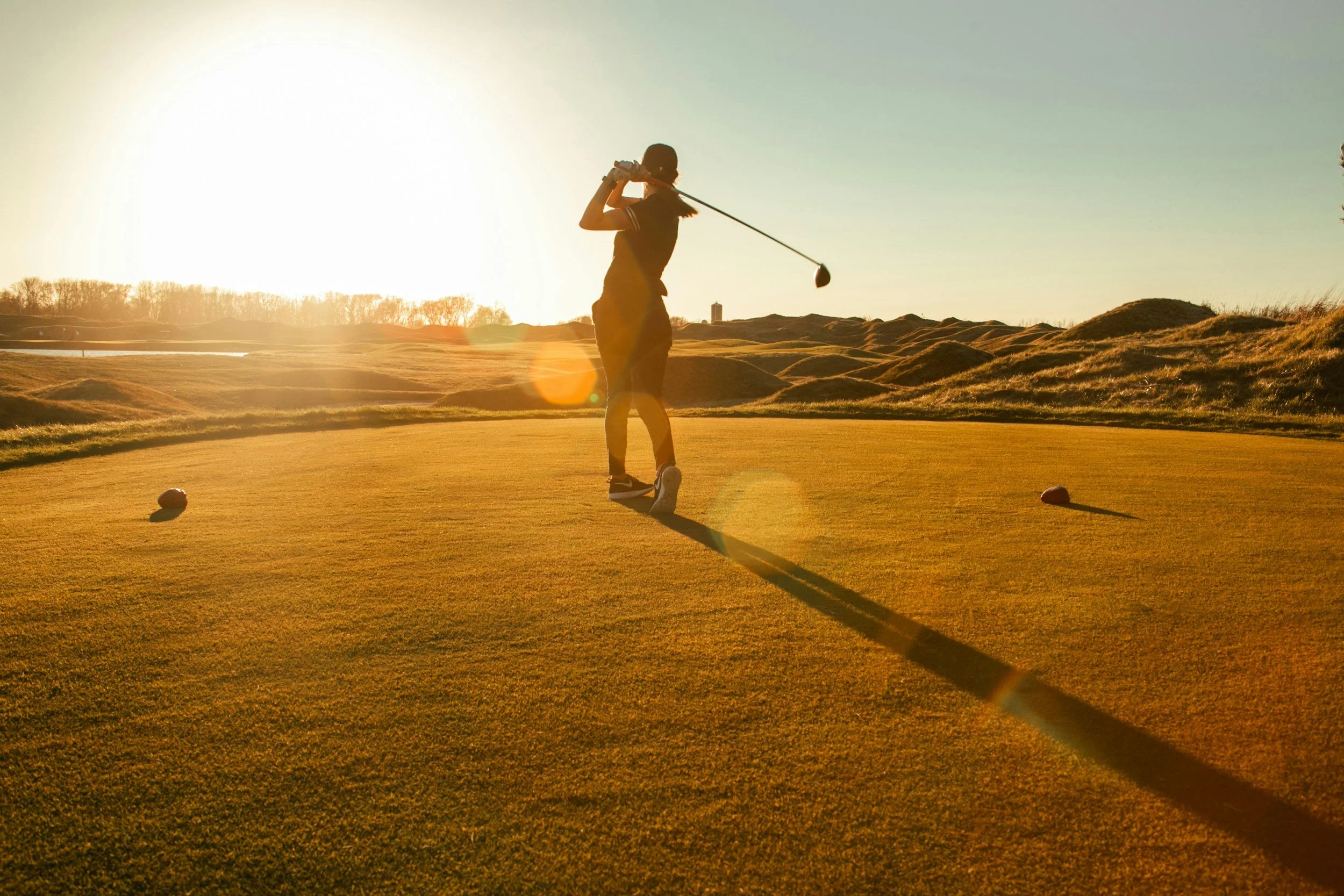
You do not need to drive anywhere. You do not need a perfect weather window. You do not need two free hours. You can roll ten putts before work, chip a dozen balls after dinner, or let a beginner in the family learn pace and contact without the pressure of a crowded course. For new golfers, that kind of low-stakes repetition is invaluable. For experienced players, it is a chance to sharpen distance control, start line, tempo, and feel.
A good backyard putting green also does something less measurable but equally important: it keeps the game present in your life. The game does not always need to arrive as a formal appointment. Sometimes it is best when it shows up like a habit.
Why Artificial Turf Makes Sense
Artificial turf putting greens are popular for one simple reason: they can deliver a useful practice surface without the constant upkeep of natural grass.
A natural green, even a small one, is demanding. It needs careful mowing, watering, feeding, pest management, seasonal attention, and recovery time. Synthetic turf skips much of that routine. There is still upkeep, of course. Leaves need to be blown off. Debris needs to be cleared. The surface may need brushing or occasional adjustment. But compared with live grass, the maintenance burden is usually much lighter.
That matters to homeowners who want golf in the backyard without turning the backyard into another full-time responsibility.
Artificial turf can also offer reliable year-round usability in many settings. You are not waiting for a grass surface to recover from foot traffic. You are not staring at muddy spots after rain and wondering whether practice will ruin the area. A properly installed base and drainage system are a major part of that reliability. Drainage is not glamorous, but it is foundational. The putting surface above is only as dependable as the structure beneath it.
What Makes a Backyard Putting Green Worth Having
Not every backyard green needs to look like something out of a televised tournament. It does, however, need to do a few things well.
1. It should roll true
A usable green must give the ball an honest roll. That means the base beneath the turf has to be stable, smooth, and properly prepared. If the surface is lumpy, soft, or inconsistently pitched, the practice becomes unreliable. You are no longer training your stroke. You are negotiating flaws.
2. It should drain properly
This is where many projects succeed or fail. Water needs somewhere to go. The best-looking green in dry weather can become frustrating quickly if water lingers after rain. Good drainage protects performance, extends life, and helps keep the surface playable. USGA guidance on putting green construction emphasizes how important subsurface drainage is to moving excess water away efficiently.
3. It should match how you actually practice
Some golfers want a pure putting surface. Some want a mix of putts, bump-and-runs, and short chips. Some want a fun family feature with contours and multiple cups. Some want something that simulates pressure putts from six feet. The best design is not the fanciest one. It is the one that suits your habits.
4. It should fit the yard, not fight it
A backyard green should feel like it belongs. It should work with the slope, the traffic patterns, the seating areas, the sun, and the rest of the outdoor space. A green that looks impressive in a photo but feels awkward in daily life will not get used as much as one that feels natural the moment you step outside.
Design Features That Improve Practice
A backyard putting green can be as simple or as elaborate as you like, but a few design details go a long way.
Multiple cup locations
One hole is fine. More than one is better. Different hole locations let you change angles, distances, and breaking putts without changing the footprint of the green.
Gentle contours
Subtle movement creates interest and improves practice value. Too much contour can turn a useful surface into a novelty act. A few soft breaks are often enough.
Fringe or collar areas
Adding a fringe lets golfers practice chips, pitches, and putts from off the surface. It also softens the look and adds realism.
Chipping stations
If space allows, a dedicated approach area turns a putting green into a short-game station. That matters, because many golfers want more than a place to knock in three-footers. They want to rehearse the shots that show up in real rounds: little runners, soft chips, awkward lies, and in-between swings.
Comfortable traffic flow
You should be able to move around the green easily, retrieve balls without disrupting the rhythm, and use the space with other people. Good practice spaces feel intuitive.
Artificial Turf vs. Natural Grass for Backyard Greens
This comparison is less a debate than a question of personality and priorities.
Choose artificial turf if you want:
lower routine maintenance
more consistent everyday usability
less watering and mowing
a practice area that can hold up to frequent use
a backyard feature that stays ready with less effort
Choose natural grass if you want:
the feel and ecology of living turf
a project you enjoy managing closely
seasonal maintenance as part of the appeal
a surface that changes and evolves like a traditional lawn or green
For many homeowners, artificial turf wins because it fits real life. Golfers are busy. Families are busy. Weekend lists are already full. A backyard green should make the game easier to access, not harder to maintain.
Is an Artificial Turf Putting Green Good for Beginners?
Absolutely.
In fact, it may be especially good for beginners. Learning to putt is not just about technique. It is about comfort, repetition, and confidence. A private practice area removes some of the self-consciousness beginners can feel on a busy practice green. It lets them learn at their own pace. PGA beginner guidance encourages starting on the putting green and practicing from specific short distances, which makes a backyard setup particularly useful for early development.
A beginner can learn:
how hard to hit a putt
how the ball starts on line
how to build a repeatable setup
how to make short putts under a little pressure
how to enjoy the game before worrying about everything else
And that last point matters. Golf survives on enjoyment.
Is It Still Useful for Experienced Golfers?
Also yes, though the value changes.
For stronger players, a backyard putting green is not always about perfect simulation. It is about access. It is about building repetitions without friction. It is about maintaining feel. It is about rolling enough putts that six feet stops feeling like an event. It is about touching the short game often enough that it never gets entirely cold.
A seasoned player can use a backyard green for:
start-line drills
distance control ladders
one-handed stroke work
gate drills
pressure games
short-chip landing practice
pre-round or post-round tune-ups
No backyard surface needs to mimic every course condition in the world to be useful. It needs to help you practice something real.
The Importance of Base Prep and Drainage
This is the part homeowners are most tempted to rush, and the part they should respect most.
The visible green is the headline. The invisible work below it is the truth.
Drainage, grade, compaction, and base materials have a massive effect on how an artificial turf putting green performs over time. USGA construction guidance highlights smooth subgrade preparation and effective drainage as core parts of putting green performance, because excess water and weak support create problems that no surface finish can fully hide.
If water pools, if the base settles unevenly, or if runoff is ignored, the surface can lose the very thing golfers care about most: trust.
A backyard putting green does not need tournament drama. It needs everyday reliability.
What Maintenance Does Artificial Turf Actually Need?
“Low-maintenance” does not mean “no-maintenance.”
A synthetic putting green still benefits from regular care. That might include:
removing leaves and debris
rinsing off dust or pollen when needed
brushing fibers to keep the surface looking tidy
checking cup areas and edges
watching for any drainage issues after heavy rain
keeping surrounding landscaping from spilling onto the green
Compared with natural grass, the list is usually shorter and less demanding. But a little attention still protects appearance and playability.
The good news is that most of that maintenance is straightforward. You are maintaining access to practice, not maintaining a fragile living surface.
How a Backyard Green Improves the Outdoor Space
Not every golf purchase improves daily life. This one can.
A backyard putting green can make a yard more social. It can give kids and adults a shared activity. It can create a destination in the landscape. It can offer a way to unwind without a screen in front of your face. It can be serious when you want it to be serious and casual when you need it to be casual.
It also turns golf from something you schedule into something you encounter.
That may be the greatest value of all.
Because improvement in golf, like improvement in most things, often comes not from dramatic effort but from regular contact. A few putts today. A few chips tomorrow. A small game with a friend over the weekend. A little better touch by next month. The backyard green does not promise miracles. It promises opportunity.
And in golf, opportunity is plenty.
Is an Artificial Turf Putting Green Worth It?
For the right homeowner, yes.
If you love the short game, enjoy practicing at home, want a more useful backyard, and prefer less upkeep than natural turf demands, an artificial putting green can be a practical and rewarding investment. The key is not simply installing turf. The key is creating a surface that drains well, rolls honestly, and invites regular use.
The best backyard golf features are not the ones that photograph best. They are the ones that get used.
A good artificial turf putting green tends to get used often.
Frequently Asked Questions
1. What is an artificial turf putting green?
An artificial turf putting green is a golf practice surface made from synthetic materials designed to mimic the look and function of a real green. It is commonly installed in backyards to create a lower-maintenance area for putting, chipping, and casual golf practice.
2. Is artificial turf better than natural grass for a backyard putting green?
That depends on your priorities. Artificial turf is often better for homeowners who want less routine maintenance, more consistent playability, and easier year-round use. Natural grass may appeal more to those who enjoy intensive lawn and turf care.
3. Do backyard putting greens really help improve your golf game?
They can, especially for putting rhythm, distance control, start line, and short-game repetition. The biggest advantage is convenience. Practice tends to happen more often when the green is just a few steps away.
4. Can beginners use a backyard putting green effectively?
Yes. Beginners often benefit greatly from a private, low-pressure place to learn setup, contact, and speed control. A backyard green can make early golf practice feel more approachable and less intimidating.
5. Can experienced golfers still benefit from an artificial turf green?
Yes. More advanced golfers can use one for short putts, tempo work, pressure drills, and basic chipping practice. Even if it does not perfectly replicate every course condition, it can still be a valuable training tool.
6. How much maintenance does an artificial turf putting green need?
Usually much less than natural grass, but not none. It may need brushing, debris removal, occasional rinsing, and periodic checks around cups, seams, and drainage areas to keep it playing well.
7. Why is drainage so important for an artificial putting green?
Drainage helps keep water from pooling, protects the base, and supports consistent ball roll. Poor drainage can shorten the life of the installation and make the surface less reliable after rain.
8. What should I include in the design of a backyard putting green?
Good design often includes proper drainage, a stable base, a realistic putting surface, optional fringe areas, multiple cups, and contours that add practice value without making the green gimmicky.
9. Can I chip onto an artificial turf putting green?
Many backyard greens are designed to allow light chipping, especially when they include fringe or dedicated short-game areas. The best setup depends on the turf system, available space, and how you plan to practice most often.
10. Is an artificial turf putting green mainly for serious golfers?
Not at all. It can serve serious golfers, casual players, families, and beginners alike. One of its strengths is flexibility: it can be a training station one day and a fun backyard feature the next.
External Sources
USGA: Recommendations for a Method of Putting Green Construction (PDF)
PGA: Prioritize Your Practice Sessions
Recent Writings