How Golf Courses Recover After Storm, Flood, and Fire Damage
There is a moment after a storm when a golf course looks less like a place for a game and more like a place that has been tested.
The flags may still be there. The bunkers may still have shape. The fairways may still hint at their old stripes. But the course is no longer what it was the day before. Water has moved where it should not. Wind has thrown branches where golfers once aimed drives. Fire may have left behind ash, heat stress, damaged irrigation, and bare ground now vulnerable to erosion. What looks, at first glance, like a mess is often something more complicated: turf under stress, soils out of balance, infrastructure at risk, and a property trying to recover all at once. Recovery planning on golf courses depends on careful assessment, drainage management, safe cleanup, and a staged plan to restore both turf health and playability.
That is what makes golf courses such a useful example when talking about storm damage, water damage, mold prevention, and restoration planning. A course is a living system. It has grass, soil, drainage, buildings, equipment, wood, drywall, storage areas, pathways, and people trying to bring it all back. In that sense, the lessons are universal. Whether the damage happens on a golf property, a business, or a home, the first principles are the same: protect people, document damage, dry the structure, remove what is contaminated, and rebuild with a plan rather than panic. FEMA and EPA both emphasize safety, documentation, drying, and prompt cleanup as central parts of recovery after flooding or disaster.
First Comes Safety, Not Speed
Golfers understandably want to know when the course will reopen. Owners want to know how long recovery will take. Staff want to get moving. But the first job is not speed. It is safety.
After severe weather, standing water can hide washouts, unstable edges, electrical hazards, contaminated sediment, and debris. Fire damage can leave behind weakened trees, smoldering material, damaged utilities, and unstable ground. Industry guidance for golf facilities stresses that no one should assess a damaged property alone and that safe access, staff welfare, and an organized evaluation come before cleanup.
That may not be the answer a golfer wants to hear, but it is the right one. Good recovery starts with a calm head. The scorecard can wait.
Flood Damage Is Not Just About Water
When a course floods, the obvious problem is water. The deeper problem is what the water leaves behind.
Floodwaters can deposit silt, sand, organic debris, and contaminants. Turf may survive submersion for a time, but survival depends on several factors, including turf species, water temperature, light, depth, and how long the grass stays underwater. Sediment can be just as damaging as the flooding itself because it seals off the plant, smothers leaf tissue, and alters the growing surface. Extension turf guidance notes that the worst flood damage is often the sediment left behind, especially when it covers the grass completely.
For golfers, this helps explain why a course may look “mostly fine” from the parking lot and still need weeks or months of work. Grass does not recover on appearances. It recovers on oxygen, sunlight, root health, clean surfaces, and time.
Storm Cleanup Is a Triage Operation
On a damaged golf course, cleanup usually happens in layers.
The first layer is access: can crews safely move around the property? Saturated ground often cannot handle heavy equipment right away, and industry guidance notes that some cleanup must be done by hand until surfaces firm up enough to avoid creating even more damage. Mats or boards may be needed to move equipment across soft ground without rutting already stressed turf.
The second layer is debris removal: branches, leaves, trash, displaced bunker sand, washed-out material, and any obstacles blocking drainage or safe movement. Good storm preparation and recovery both focus heavily on keeping drainage paths open, removing impediments, and clearing overflow structures so water can move off the property instead of sitting in place.
The third layer is evaluating what can be saved. Some areas need drying and a little patience. Some need topdressing, aeration, or regrading. Some need reseeding or resodding. And some need a longer reconstruction plan. Recovery is rarely one sweeping act. It is a series of good decisions made in the right order. That is true for courses, and it is true for any property after storm damage.
Drying Out Matters More Than People Think
One of the hardest truths in restoration is that surfaces can fool you. They can look dry and still hold trouble underneath.
On a golf course, that might mean moisture trapped in the soil profile, soggy bunker bases, saturated rough, or weakened tree root zones. In a building, it might mean wet drywall, damp insulation, soaked subflooring, or hidden moisture behind wall coverings. EPA and FEMA guidance stresses that fast drying and proper cleanup are essential because lingering moisture supports mold growth and indoor air problems. Porous materials that stay wet too long are especially vulnerable.
This is why disciplined operators do not just “clean up.” They dry out. They ventilate. They remove damaged porous materials when needed. They do not paint over mold and call it fixed. That is cosmetic thinking, not restoration. FEMA specifically warns that painting or caulking over mold does not stop it from growing.
Mold Prevention Starts the Minute Water Stops Moving
Mold has a way of turning a water problem into a bigger, more expensive problem.
The lesson from flood recovery is simple: once it is safe to enter, the clock is running. Wet areas need to be cleaned and dried as quickly as possible. Hard surfaces can often be scrubbed with detergent and water and then dried completely. Porous materials may need to be discarded if mold has penetrated them. EPA’s mold guidance is clear on both points.
For golf facilities, that matters in maintenance buildings, storage spaces, clubhouses, cart barns, restrooms, and wall cavities. For everyone else, it matters in garages, basements, crawl spaces, offices, and utility rooms. Mold prevention is not glamorous, but it is one of the clearest dividing lines between a short recovery and a long one.
Fire Damage Recovery Is Not Only About What Burned
Fire changes a property even where the flames never fully took hold.
On a golf course, fire can damage turf directly, but it can also disrupt irrigation, weaken trees, expose bare soil, and leave slopes vulnerable to runoff and erosion once rain arrives. Post-fire extension guidance notes that soil erosion risk depends on burn severity, slope, soil type, and the amount and duration of rainfall after the fire. In other words, the danger can continue after the smoke clears.
That idea carries beyond golf. After a fire, recovery planning has to account for secondary damage: water intrusion from firefighting efforts, exposed materials, smoke contamination, unstable surfaces, and erosion that threatens the next storm response. Fire damage is often the beginning of a restoration plan, not the end of one.
The Best Recovery Plans Are Boring in the Best Way
A good restoration plan is not dramatic. It is methodical.
It documents damage with photos before cleanup begins. It identifies immediate hazards. It separates salvageable materials from unsalvageable ones. It prioritizes drying, sanitation, and stabilization. It calls in the right specialists early. It tracks what was done, what remains, and what can reopen safely now versus later. FEMA repeatedly advises documenting damage and keeping records and receipts during cleanup and repair.
Golf courses do this well when they reopen in phases. Maybe the range returns first. Maybe cart traffic stays restricted. Maybe a few holes remain closed while saturated areas recover. Maybe heavily damaged greens require temporary surfaces or a longer agronomic plan. That staged return is not a sign of weakness. It is a sign that somebody chose long-term turf health over short-term appearances. USGA guidance on damaged greens emphasizes that successful recovery does not happen by chance and requires a well-thought-out, appropriately executed plan.
What Golfers Should Know During Recovery
For the beginner, the main thing to understand is this: when a course asks for patience after a storm, it is usually trying to protect the very surfaces that make golf enjoyable.
For the experienced player, there is another layer. Recovery is not just maintenance. It is stewardship. Staying off soft turf, respecting cart restrictions, avoiding damaged edges, and understanding temporary conditions all help the course come back faster and better. Turf under stress does not need impatience added to the weather. Research highlighted by the USGA shows that traffic can worsen turf damage and slow recovery under stressful conditions.
There is a quiet decency in that. Golf asks for repair all the time: a divot replaced, a ball mark fixed, a bunker raked. After storm, flood, or fire damage, the same principle simply scales up. The work is larger, the stakes are higher, but the ethic is familiar. Take care of the ground, and the ground will come back.
Final Thoughts
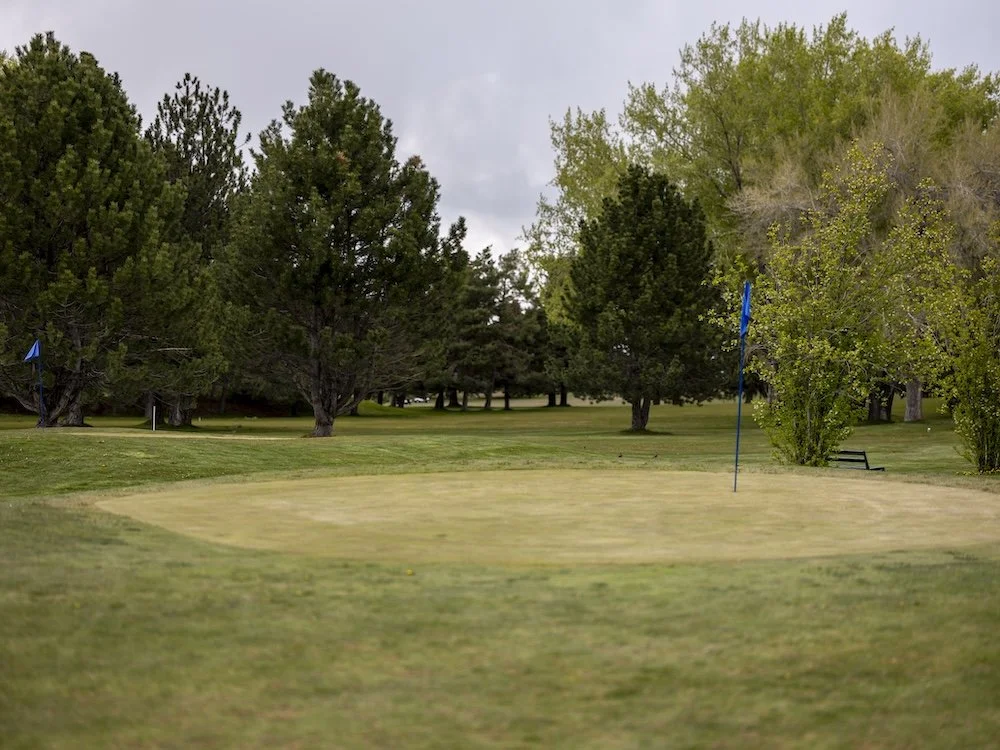
A golf course after disaster is a useful picture of recovery because everything is visible there: the damage, the patience, the labor, the setbacks, the gradual return.
That is how restoration usually works. Not in a cinematic burst. In steps. In cleanup. In drying. In prevention. In planning. In the humble discipline of doing the next right thing before doing the flashy thing.
And then, one day, the place looks like itself again.
Not untouched. Restored.
FAQs
1. How long does it take a golf course to recover after storm damage?
It depends on the type and severity of damage. Minor debris cleanup and drainage issues may be addressed fairly quickly, while flooded turf, damaged greens, structural repairs, or fire-related erosion concerns can take much longer. Recovery time often depends on how fast the property can be made safe, dried out, cleaned, and stabilized.
2. Can grass survive being underwater after a flood?
Sometimes, yes. Turf survival depends on the species, how long it stayed submerged, water temperature, depth, and light conditions. Sediment left behind can be as damaging as the floodwater itself.
3. Why do golf courses stay closed even after the water is gone?
Because visible water is only part of the problem. Courses may still have saturated soils, unsafe ground, hidden washouts, damaged infrastructure, fallen limbs, or contamination issues. Wet turf can also be badly damaged by traffic before it has recovered.
4. What is the first priority after flood or storm damage?
Safety. Staff and visitors must avoid unstable, contaminated, or hazardous areas. After that, the priority is documentation, drainage, cleanup, drying, and assessing what can be saved.
5. How do you prevent mold after water damage?
Clean and dry wet areas as quickly as possible once it is safe. Hard surfaces can often be cleaned with detergent and water, then dried completely. Porous materials that stay wet too long or become moldy may need to be removed and discarded.
6. Is it enough to paint over mold or water stains?
No. Painting or caulking over mold does not solve the problem. The moisture source has to be addressed and contaminated material handled properly.
7. How does fire damage affect a golf course or landscaped property?
Fire can damage turf, trees, irrigation, structures, and exposed soils. Even after the flames are out, burned areas may face erosion and runoff problems when rain returns.
8. Why is documentation so important during restoration?
Photos, receipts, and written records help support insurance claims, guide contractors, track repairs, and create a clearer restoration plan. Good documentation also helps property owners avoid confusion once cleanup begins.
9. What can golfers do to help a course recover?
Respect closures, follow cart restrictions, avoid damaged or soft areas, repair ball marks and divots, and understand that temporary conditions are often part of protecting long-term turf health.
External Sources
USGA — Golf Course Recovery From Flooding
USGA — Storm Readiness and Response for Golf Courses
USGA — Be Ready for Severe Storms
USGA — Bringing a Putting Green Back to Life
FEMA — Cleaning Flooded Buildings
FEMA — Don’t Wait to Clean Up or Make Repairs
FEMA — How to Document Damages After Severe Weather Events
EPA — Homeowner’s and Renter’s Guide to Mold Cleanup After Disasters
EPA — Mold Cleanup in Your Home
EPA — Flood Cleanup and the Air in Your Home Booklet
University of Minnesota Extension — Repairing Flooded Lawns
Michigan State University Extension — Flooding of Turf
Oregon State University Extension — Mitigating Soil Erosion After a Fire
Oregon State University Extension — After a Wildfire
Recent Writings