69 Golf 6.9° Driver Review
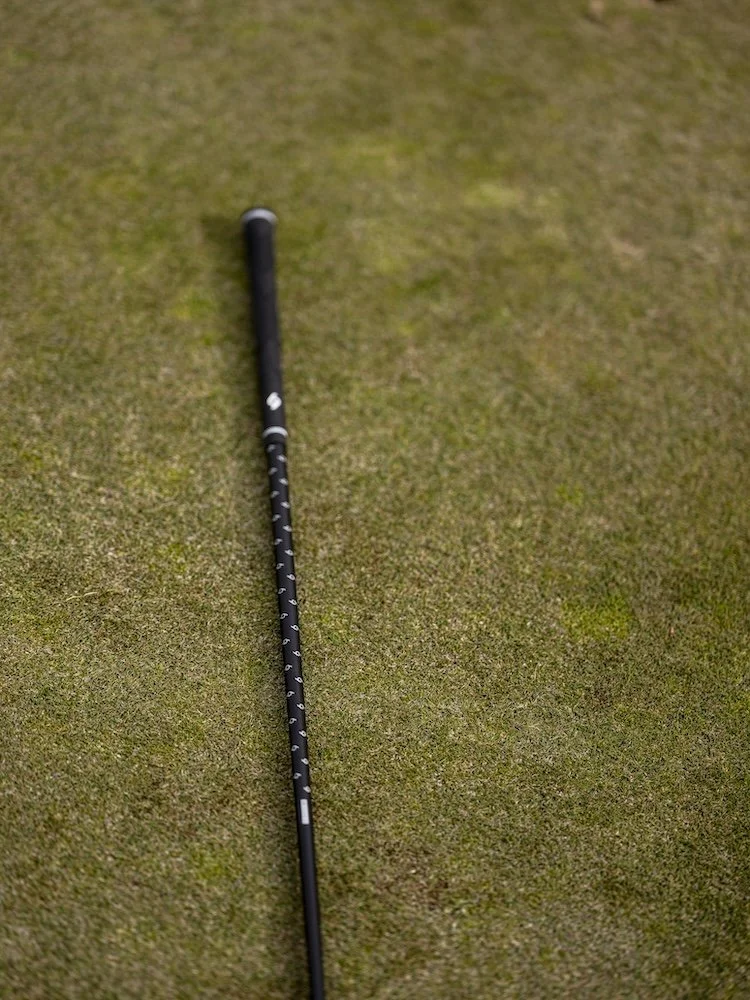
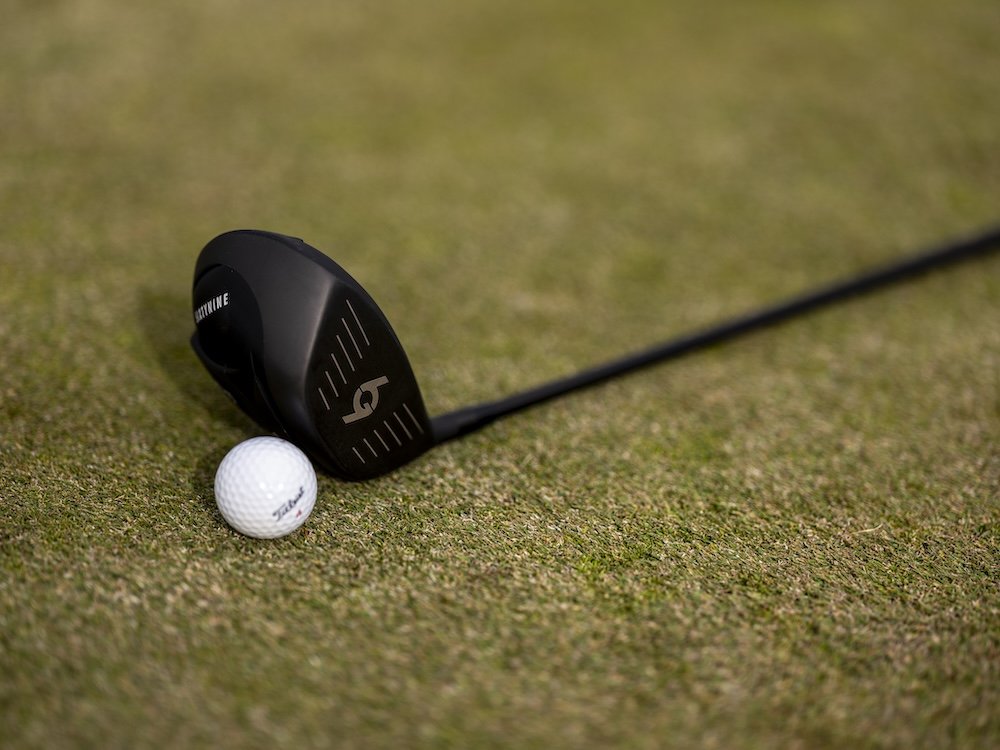
There are golf clubs that whisper. There are golf clubs that behave. And then there are golf clubs that walk into the room like they own the place.
The 69 Golf 6.9° Driver is very much in the third category.
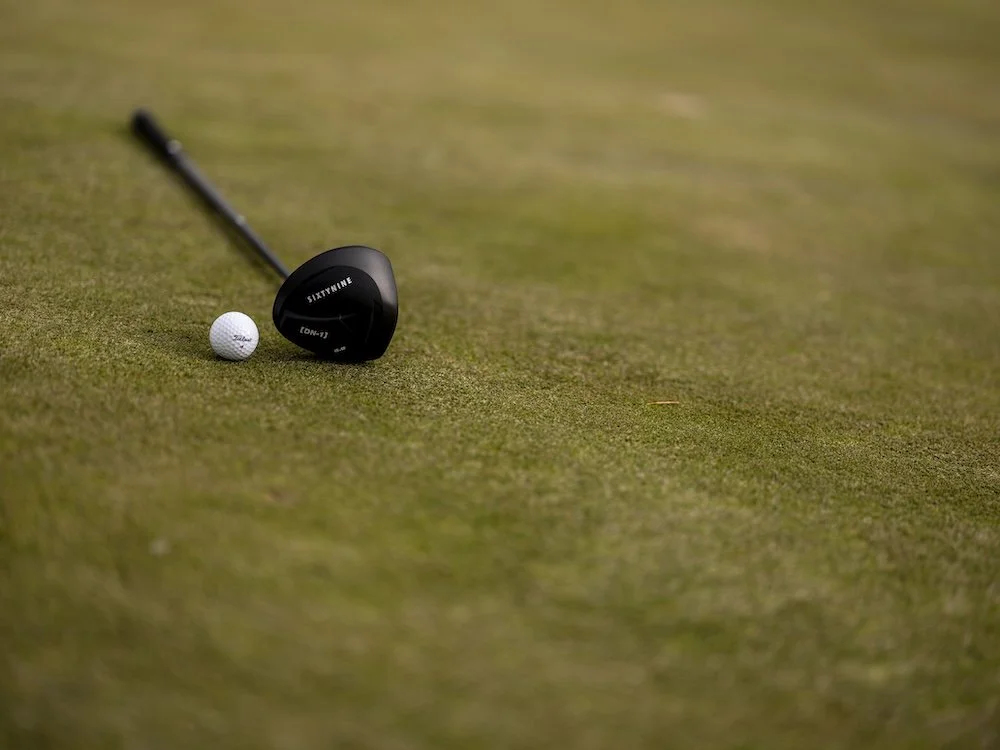
It is a driver built around one idea: less loft, flatter flight, and the promise of more control with more pop. On its product page, 69 Golf describes it as a club that delivers “superior control” and “impressive power,” while saying golfers are seeing lower launch, less slicing, and longer drives. The company lists the club at 45 inches, with a 199-gram head, a 69-gram shaft, and a 55-gram grip, and offers it in right- and left-handed versions with regular and stiff shaft flex options. At the time of writing, the page shows a sale price of $249 and marks the club as sold out.
And right there is the intrigue.
A 6.9-degree driver is not your everyday pro-shop wallpaper. Most golfers live in more forgiving loft territory. This one asks a different question: what if you went lower, trusted your delivery, and let the ball leave the face on a flatter, more penetrating line?
That question is either thrilling or mildly terrifying, depending on what your driver usually does on the 1st tee.
First Impressions: This Club Knows Exactly What It Wants to Be
Some products are trying to be all things to all golfers. This is not one of them.
The 69 Golf 6.9° Driver is unapologetically niche. The company is leaning into a lower-loft concept as the entire story, not some adjustable afterthought. It is marketed around control, reduced slice tendencies, and added distance, with customer blurbs on the site describing the club as one that “bombs,” helped “fix” a slice, and produced some of their longest drives.
That makes this club interesting in two ways.
First, it has personality. Golf equipment can get a little too sterile, a little too wind-tunnel. This one has a point of view.
Second, it forces an honest conversation about loft. Because loft is not decoration. Loft is destiny. It affects launch, spin, carry, curvature, forgiveness, and whether your tee ball feels like a rising bird or a hurried line drive.
And that brings us to the real point of this review.
Related: Daphnes Headcovers Review
What a 6.9° Driver Actually Means
A lower-lofted driver generally launches the ball lower and can reduce spin compared with higher-lofted options, but only when paired with the right swing delivery. For the right player, that can produce a strong, penetrating ball flight. For the wrong player, it can turn tee shots into low bullets that never stay in the air long enough to be useful.
That is the whole bargain.
If you deliver plenty of speed, strike the middle of the face with some regularity, and already launch the ball high enough, a lower-lofted driver can be a serious weapon. It can flatten the flight, keep the ball from climbing too much, and possibly tighten your pattern if your miss is a high-right flothopper.
If, on the other hand, you are a beginner still learning how to get the ball airborne, or a mid-handicapper who needs help with launch and carry, 6.9 degrees may feel less like freedom and more like unpaid labor.
This does not make the club bad. It makes it specific.
And in golf, specific can be good. Very good. But only if you know what you are buying.
Who This Driver Is Best For
1. Faster swingers who already launch it high
Golfers with higher clubhead speed often do not need more loft. They need something that keeps spin down and flight under control. That is the golfer most likely to understand what this club is trying to do.
2. Players who fight a ballooning driver
If your normal driver climbs too high and falls out of the sky, a lower-loft head can help create a more boring trajectory. The manufacturer explicitly leans into that lower-flight idea in its product copy.
3. Golfers who like unusual gear and enjoy experimenting
There is a type of golfer who loves finding the club nobody else has in the bag. This driver is for that golfer, too. Golf is serious, yes, but it is also allowed to be fun. This club seems to understand that.
Who Should Probably Be Careful
1. Beginners
For most beginners, getting the ball up is still job one. A very low-lofted driver usually is not the easiest path to confidence. A new golfer often benefits from more launch help, not less.
2. Players with moderate or slower swing speeds
The product is available in regular and stiff flex, and the company labels those options for slower and faster swings respectively. That helps, but shaft flex alone does not solve the fundamental loft question. A slower swing paired with very low loft can lead to too little carry and too much frustration.
3. Golfers looking for maximum forgiveness first
There is nothing on the official page suggesting this is a high-MOI, ultra-forgiving, anti-everything driver built for easy launch. The story here is control and power through lower loft. That is a different promise.
Performance Thoughts: The Appeal and the Risk
What I like about the idea of this club is that it is not pretending physics took the week off.
Lower loft can help some golfers. It can absolutely look terrific in the hands of a player who creates speed, hits slightly up on the ball, and does not need extra spin to keep the shot alive. Those golfers may see exactly what 69 Golf is talking about: flatter flight, stronger chase, and a driver that feels less eager to leak high and right. The testimonials on the product page point in that direction, though they are manufacturer-hosted comments rather than independent launch-monitor testing.
That last distinction matters.
As of my search, I did not find much in the way of independent published testing or broad third-party review coverage for this club. So the fairest read is this: the club may well perform as advertised for the right golfer, but the public evidence currently available is weighted heavily toward the manufacturer’s own page and its featured customer feedback.
In plain English: promising concept, but you should still know your swing before making this your next grand romance.
Build, Specs, and Presentation
On paper, the specs are straightforward: 199-gram head, 69-gram shaft, 55-gram grip, and a 45-inch playing length. That is a very normal driver length, which is a good thing. Sometimes the golf world gets lost chasing inches when what players really need is center contact. 45 inches is a familiar neighborhood.
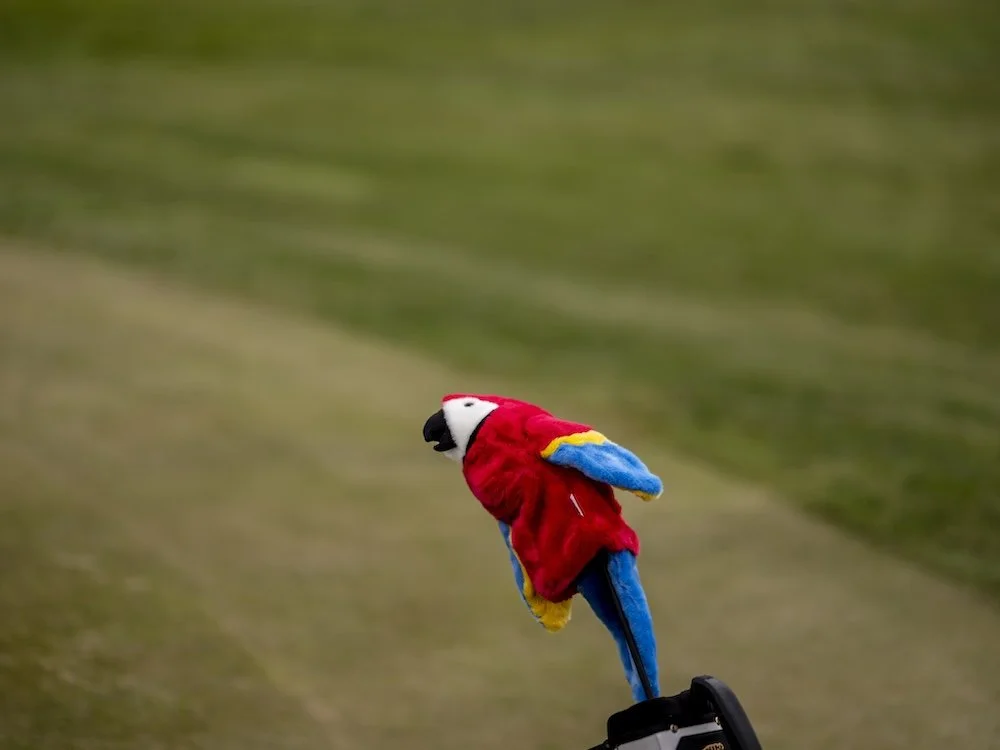
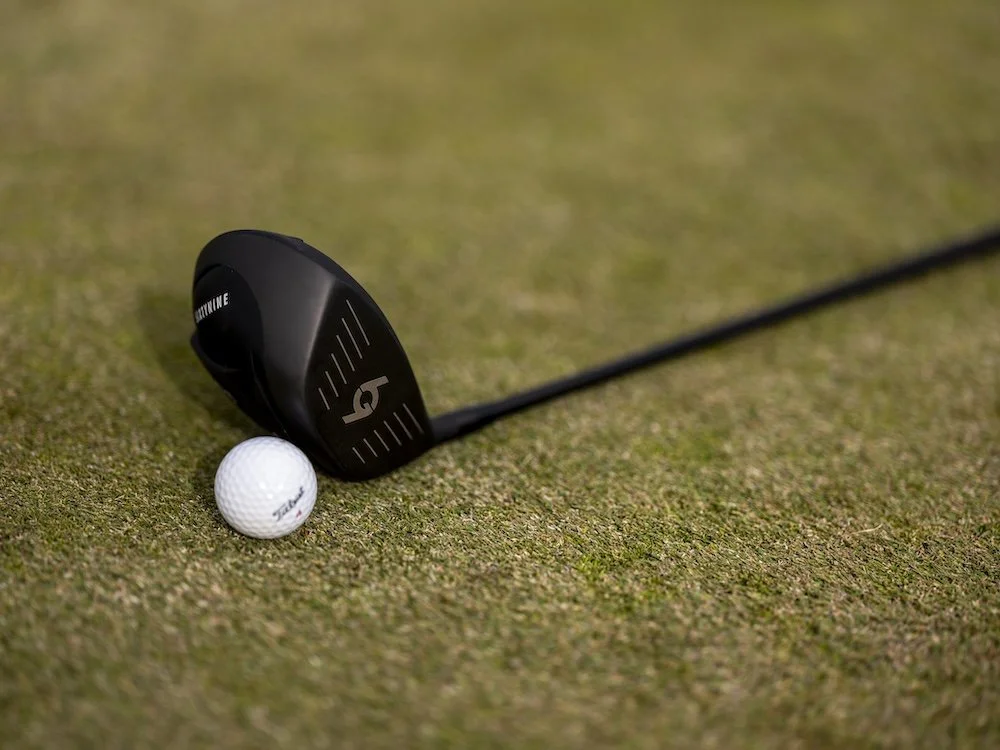
The club is also sold with a branded headcover shown on the product page, and the overall presentation is clean, dark, and modern. Whatever else you say about 69 Golf, the company understands visual identity. The club looks like it belongs to a golfer who has opinions.
Is It Legal?
The product page states that the 6.9° Driver is legal.
That claim is plausible within the broader equipment rules framework. The R&A and USGA rules specifically note a loft ceiling for putters, while other clubs are governed by general conformance standards rather than a blanket minimum loft rule in the snippets returned here. The USGA also notes the overall club-length rule framework, and a 45-inch driver sits within standard legal territory.
Still, for tournament players, the safest path is always to confirm that the exact model you are using is conforming under the applicable competition rules.
The Real Verdict
The 69 Golf 6.9° Driver is not a driver for everybody. That is not a criticism. That is the pitch.
For the right golfer, this could be a fun and genuinely useful alternative to the usual loft offerings, especially if you want a flatter ball flight, already create enough launch, and enjoy equipment that breaks from convention. For the wrong golfer, it may be a little like buying a sports car before learning how to merge.
What I appreciate most is that the club has a clear identity. It is not timid. It is not trying to hide what it is. That makes it easier to judge.
If you are a newer golfer, I would not call this the safest first driver.
If you are an experienced player with speed, a good handle on your launch conditions, and curiosity about low-loft performance, this is the kind of club that might make a range session feel interesting again.
And sometimes, in golf, interesting is the beginning of love.
Final Rating
69 Golf 6.9° Driver Rating: 8.1/10
Best for: Faster swingers, confident ball-strikers, golfers who fight high spin or high-right misses, and players who enjoy unconventional gear.
Not ideal for: Most beginners, slower swingers, or golfers who need more launch and forgiveness from the tee.
FAQs
1. Is the 69 Golf 6.9° Driver good for beginners?
Probably not for most beginners. Newer players usually benefit from more loft because it helps launch the ball higher and easier. A 6.9-degree driver is a more specialized option.
2. What kind of golfer should use a 6.9-degree driver?
The best fit is usually a golfer with higher swing speed, a fairly consistent strike, and enough launch already built into their delivery. It can also suit players who want a flatter, lower-spin flight.
3. Can a lower-lofted driver help reduce a slice?
It can help some golfers by changing launch and spin conditions, and the product page includes customer feedback saying it helped reduce a slice. But slice problems usually involve swing path and face control too, so the club alone is not a miracle cure.
4. Is the 69 Golf 6.9° Driver legal for tournament play?
The manufacturer says it is legal, and nothing in the rules material surfaced here suggests that 6.9 degrees itself would make a conforming wood illegal. Competitive players should still verify conformity for their event.
5. What are the specs of the 69 Golf 6.9° Driver?
According to the product page, the driver has a 199-gram head, a 69-gram shaft, a 55-gram grip, and a 45-inch length. It was offered in right- and left-handed models and in regular or stiff flex.
6. Does lower loft always mean more distance?
No. Lower loft can help the right player, but it can hurt distance for golfers who need more launch and carry. Distance comes from matching loft to your swing, not simply choosing the lowest number.
7. Is there independent testing available for this driver?
I did not find much broad third-party published testing during this search. Most of the visible feedback came from the official product page and related social content rather than independent launch-monitor reviews.
8. Is this driver worth trying?
Yes, if you fit the profile: decent speed, confidence off the tee, and curiosity about a flatter, stronger ball flight. If you are still learning the game or struggling to get the ball airborne, there are likely easier places to begin.