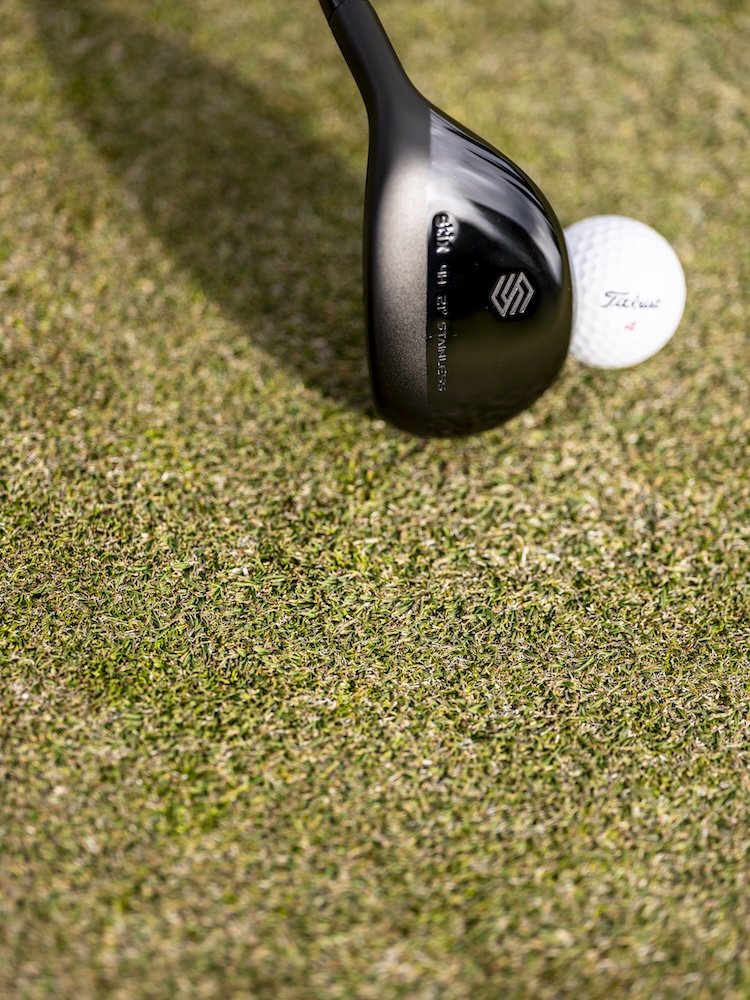
Full Choice Plastic Golf Tees Review: The Smallest Piece of Equipment in Your Bag Still Has a Job to Do
Full Choice Plastic Golf Tees Review
There is a certain romance in golf about the things that seem too small to matter. A coin in your pocket. A scuffed ball marker. A weayou run out of good ones on the 3rd hole and spend the rest of the morning improvising with splintered wood and wishful thinking.
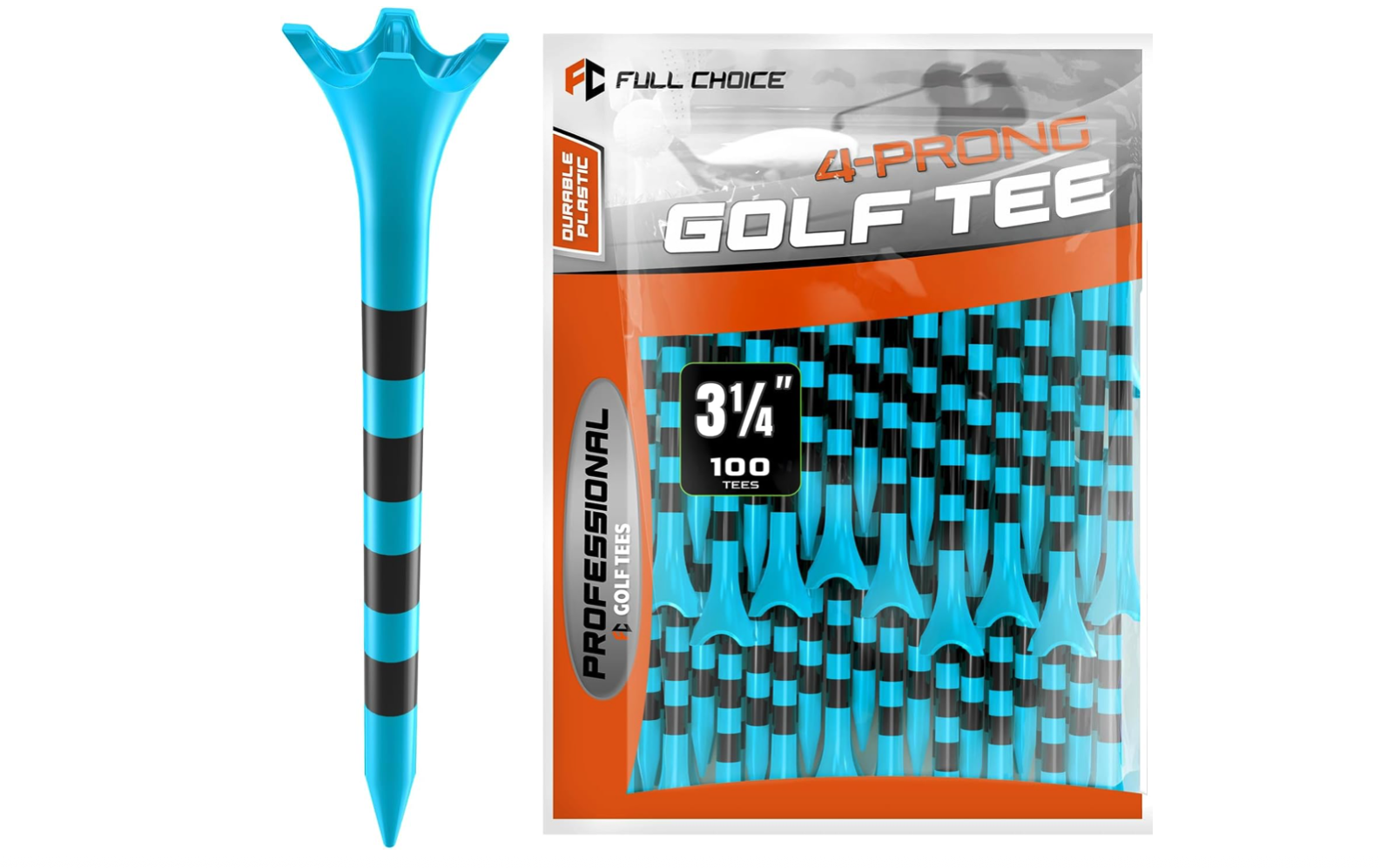
That is where a product like the Full Choice Plastic Golf Tees enters the conversation. These tees are sold as a 100-pack of 3-1/4-inch plastic tees, built around three promises golfers hear all the time: better durability, less friction at impact, and more consistent tee height. Those claims line up with the broader case for plastic tees in general, which are widely favored for longevity and repeatability over standard wood options. that may sound like golf-shop poetry. For the seasoned player, it sounds like something simpler: fewer broken tees, a more predictable setup, and one less tiny variable to think about on the tee box.
What Are the Full Choice Plastic Golf Tees?
The Full Choice model linked here is a 3-1/4-inch plastic golf tee pack, positioned as a durable, low-friction option for golfers who want a dependable tee for driver shots. Product listings for this model describe a reinforced, thicker body, design elements intended to reduce friction and side spin, and visual markings that help golfers set a consistent ball height. ze matters. It is the familiar middle ground for modern driver play: long enough for most golfers using today’s larger clubheads, but not so oversized that it feels like you are balancing the ball on a flagpole. It is a practical size for recreational players and competitive amateurs alike. Golf buying guides still treat plastic tees in this class as a go-to for durability and repeatable setup. ns: Built for Golfers Who Are Tired of Breaking Tees
Let’s start with the obvious truth. A lot of golfers do not buy premium tees because they are looking for transcendence. They buy them because they are tired of snapping wooden tees like dry twigs on hard summer ground.
That is the core appeal here.
Plastic tees, as a category, are generally more durable than wood tees and often last for multiple rounds, especially when they are made with a thicker shaft or reinforced body. They also often include design cues like stripes, prongs, or graduated markings to make setup more repeatable from shot to shot. es appear to be aimed squarely at that golfer: the player who wants to toss a handful of tees into the bag and not think about it again for a while.
Performance on the Tee Box
Here is the thing with golf tees: no tee is going to fix an open clubface, a stalled pivot, or the private panic that can set in when there is water down the right side. But a good tee can help you create a cleaner, more consistent starting point.
That is no small thing.
1. Consistent tee height matters more than many golfers realize
One of the quiet advantages of plastic tees is that many include visible height guides or design features that help you tee the ball the same way over and over. Consistency at address promotes consistency in launch conditions, especially with driver. this is especially helpful. Beginners often tee the ball too low with the driver, then wonder why every shot feels cramped and glancing. A marked tee gives them a visual system. Less guesswork. Less tinkering. More repeatable practice.
For better players, repeatable tee height becomes part of routine. Golfers who care about launch, spin, strike location, and rhythm know that the shot starts before the club moves.
2. Durability is the real selling point
If there is one reason golfers switch from wood to plastic, it is durability. Plastic tees are widely recognized for lasting longer and resisting breakage better than traditional wooden tees. value in three places:
On hard tee boxes, where wooden tees can crack during insertion.
At the driving range, where you may hit dozens of driver shots in one session.
During a full round, when you would rather play golf than hunt for another usable tee.
A durable tee is not glamorous, but it is useful. There is a difference.
3. Low-friction design: modest benefit, not magic
Some plastic tees are marketed around reduced friction at impact, often using pronged or contoured tops that minimize contact with the ball. The Full Choice product appears to lean into that same idea. More broadly, the golf equipment space does recognize low-friction plastic tee designs as a legitimate category. m your driving distance? Probably not in any dramatic way.
But can a clean strike, paired with consistent ball height and slightly reduced interference at impact, help support better contact? Yes, that is a fair and grounded claim. The real win is not miracle yardage. The real win is repeatability.
And golf, for all its poetry, is often a game of repeatability.
Related: SKLZ Golf Grip Trainer Review
Who These Tees Are Best For
Beginners
These are a smart choice for beginners because they simplify part of the setup process. The height markings and longer lifespan can make practice less frustrating. Instead of burning through a pocketful of wood tees, a beginner can focus on swing mechanics and pre-shot routine. Plastic tees are often recommended for exactly that reason: they are durable and help support a consistent ball position. acticers
If you spend serious time on the range, durability becomes a real budget issue. A tee that survives repeated swings has more value than one that shatters on principle. Plastic tees are particularly well-suited to players who hit a lot of drivers in practice. layers who want simple, affordable reliability
A 100-pack is not trying to be exotic. It is trying to be useful. That appeals to the weekend golfer who wants plenty of tees in the bag, in the cart, in the garage, and in the cupholder of the truck.
Players who like visible, repeatable setup cues
If you are the kind of golfer who wants your routine to look the same every time, the striped or marked design is a genuine benefit. Golfers and gear writers alike regularly point to graduated or marked tees as useful for setup consistency. s May Fall Short
No product review is worth much if it reads like a brochure, so here is the other side of it.
Plastic is less friendly to the environment
This is the clearest tradeoff. Plastic tees last longer, but when they are lost or discarded, they do not break down the way wooden tees do. That is a legitimate downside and one many golfers care about. till prefer the feel of wood
There is a traditionalist streak in golf, and not without reason. Wooden tees offer a classic feel and are still widely used, especially by players who like their gear simple and biodegradable. n still be tricky
Even durable plastic models can be tougher to push into baked-out tee boxes than some golfers would like. That is not unique to Full Choice; it is one of the known tradeoffs of plastic tees generally. stic Golf Tees vs. Wooden Tees
If you are deciding between plastic and wood, the choice really comes down to priorities.
Choose Full Choice plastic tees if you want:
Better durability
More consistent tee height
Fewer broken tees during practice and play
Bright, easy-to-spot tees
A bulk pack that lasts
Choose wooden tees if you want:
A more traditional look and feel
A biodegradable option
A simpler, no-frills tee experience
That comparison is consistent with broader golf equipment guidance: plastic tees win on durability and setup consistency, while wood still holds appeal for feel and environmental reasons. ict
The best way to think about the Full Choice Plastic Golf Tees is this: they are not trying to reinvent golf. They are trying to remove one tiny annoyance from it.
And that has value.
For a beginner, they offer a steadier starting point.
For a frequent player, they reduce waste in the bag and interruptions on the course.
For the practiced golfer, they support consistency in one of the smallest but most repeatable parts of the setup.
Are they luxurious? No.
Are they essential? Maybe not.
Are they useful? Very much so.
Golf is a game where people spend fortunes chasing half-truths and quarter-gains. Sometimes the smarter purchase is the humble one: a durable tee that does its work quietly, holds the ball where you want it, and lets you get on with the harder business of making a swing.
Final Rating
Full Choice Plastic Golf Tees Review Score: 4.4/5
Best for: beginners, casual golfers, range regulars, and players who want durable golf tees with consistent tee height
Not ideal for: golfers who strongly prefer wooden tees or want the most eco-friendly option available
FAQs About Full Choice Plastic Golf Tees
Are Full Choice plastic golf tees good for beginners?
Yes. Their main advantage for beginners is consistency. A 3-1/4-inch plastic tee with visible height guidance can help newer golfers learn proper driver setup while also lasting longer than many wood tees. the Full Choice plastic golf tees?
The linked product is listed as a 3-1/4-inch plastic golf tee pack. That size is commonly used for driver shots and works well with modern oversized clubheads. f tees really last longer than wooden tees?
Generally, yes. Plastic tees are widely regarded as more durable than wood tees and can survive multiple rounds or repeated range sessions. tees help increase distance?
They may help support cleaner contact through consistent tee height and a lower-friction top design, but golfers should not expect miracle gains. Any benefit is more about repeatability and strike quality than instant added yardage. golf tees good for drivers?
Yes. That is one of the most common sizes for driver use because it gives golfers enough height flexibility to tee the ball appropriately for modern drivers. lf tees better than wood tees?
Not universally. Plastic tees are usually better for durability and height consistency, while wood tees are often preferred for tradition, simplicity, and biodegradability. The better choice depends on what matters most to your game. ll Choice plastic golf tees on the driving range?
Yes, especially on grass ranges where frequent hitting can break wooden tees quickly. Durable plastic tees are commonly favored for high-volume practice. lf tees bad for the environment?
Compared with wood, yes, that is the drawback. Plastic tees are more durable, but they do not biodegrade naturally the way wooden tees do.