What Hand Do You Wear a Golf Glove On?
Golf has a way of making simple questions feel more complicated than they need to be. The golf glove is one of them.
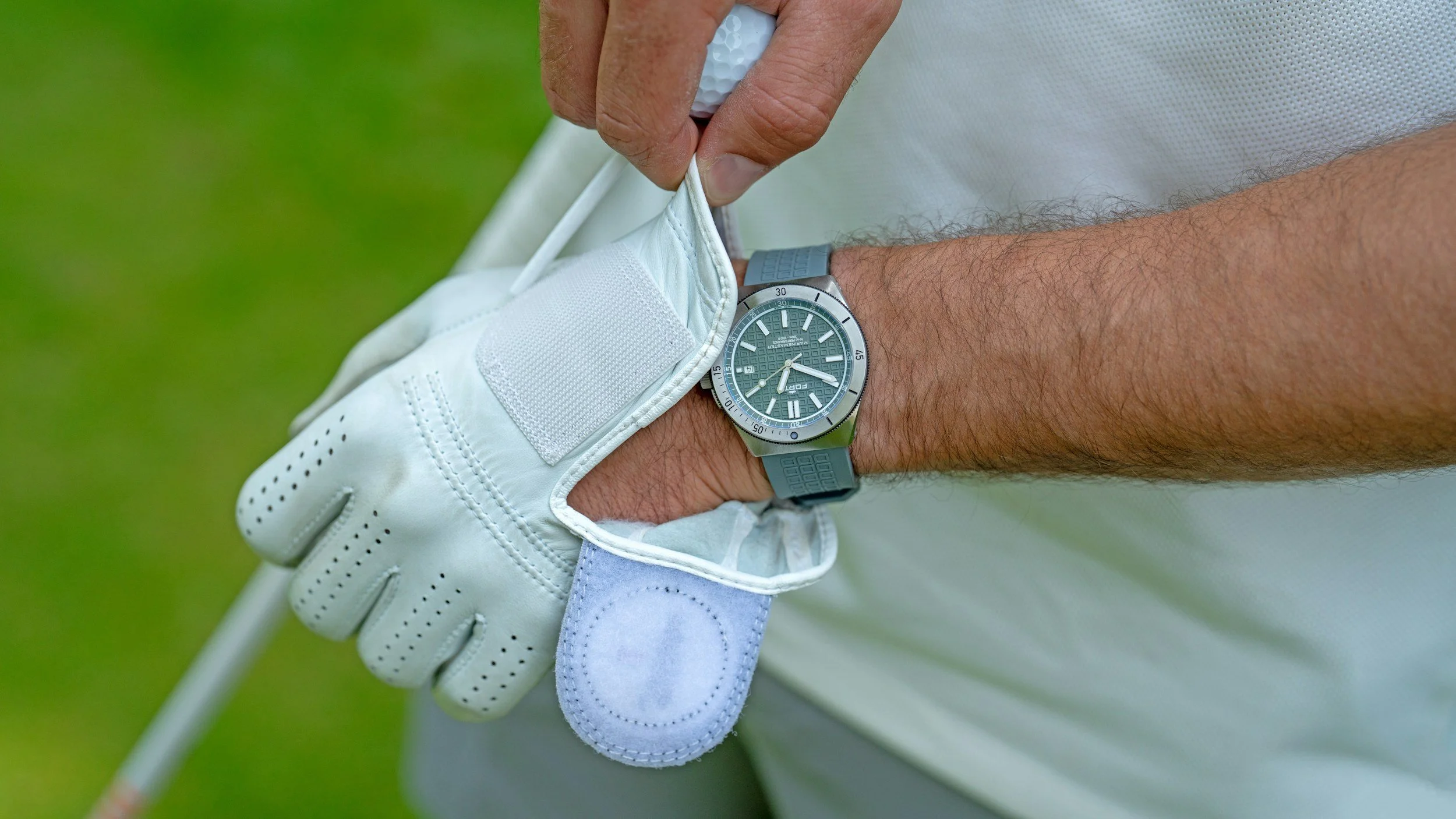
Here is the clean answer: most golfers wear a glove on their lead hand. That means a right-handed golfer usually wears the glove on the left hand, and a left-handed golfer usually wears the glove on the right hand. The glove goes on the hand that sits higher on the club and helps guide the swing.
That is the rule of thumb, and for most players, it is the right place to start. But golf is rarely only about the quick answer. A glove is not just a piece of apparel. It is part grip, part comfort, part confidence. To a beginner, it can help the club feel less slippery and less foreign in the hands. To an experienced player, it can be the difference between a swing that feels connected and one that feels loose at the wrong moment.
Why golfers wear a glove on the lead hand
The lead hand does plenty of quiet work in the swing. It helps set the club on the way back, stabilize the face, and keep the handle from twisting when speed enters the picture. Because of that, the glove is usually worn there for one simple reason: better traction. A proper glove can help reduce slippage, especially in heat, humidity, or long practice sessions, and it can also help prevent blisters.
A lot of recreational golfers squeeze the club harder than they realize. That grip pressure can create tension in the forearms, shoulders, and swing. A glove does not magically fix that, but it can help a player feel secure without strangling the club. And in golf, that matters. The game tends to reward the player who can hold on lightly while still staying in control.
Right-handed vs. left-handed golfers
This is where the wording trips people up.
If you swing the club right-handed, your left hand is your lead hand, so that is where the glove usually goes. If you swing left-handed, your right hand is the lead hand, so the glove usually goes there instead. Many glove brands even label gloves by the hand they fit, which can be confusing at first, but the idea stays the same: the glove goes on the lead hand for most golfers.
Do you ever wear two golf gloves?
Yes, some players do.
Two gloves are most common in bad weather, especially rain or cold, when maintaining a secure grip becomes more important than feel alone. Some golfers also wear two gloves during practice if they are hitting a lot of balls and want to protect both hands from friction. There is no rule requiring only one glove. Golf allows flexibility here, and players can choose what helps them perform with comfort and control. Equipment rules govern what is allowed, but gloves themselves are a standard and accepted part of play.
That said, most everyday golfers still wear one glove because it offers a good balance between grip and feel.
Do all golfers wear a glove?
No. Some golfers play without one at all. Some wear one only for full swings and take it off around the greens. Some keep it on from the first tee to the last putt. Golf has room for habit, superstition, comfort, and preference.
What matters is whether the glove helps you hold the club securely and swing freely. If your hands stay dry, your grip stays steady, and you love the feel of bare skin on the club, you may not want one. If the club shifts in your fingers or your hand gets chewed up during practice, a glove can be a small fix with real value.
Should you wear your glove while putting?
Many golfers remove the glove for putting and short touch shots because they want maximum feel in the fingers. Others leave it on because they prefer consistency from shot to shot. There is no universal answer.
For newer golfers, it is often smart to start simple: wear the glove for full swings, chips, and pitches if it helps you feel more secure. Then experiment on the putting green. Over time, you will find out whether you prefer more touch with the glove off or more continuity with it on.
The importance of proper glove fit
A golf glove should not fit like a winter glove. It should fit snugly, almost like a second skin, with no loose material in the palm or fingertips. Too much extra room can let the hand move inside the glove, which defeats the point. A proper fit should feel close, secure, and adjustable at the closure.
This is where many golfers miss. A glove that is too large may feel comfortable in the shop, but out on the course it can bunch, slip, stretch, and wear out in all the wrong places. A tighter, well-fitted glove usually performs better.
There is also useful information in the wear pattern. If a glove wears out quickly in the palm, heel, or thumb, that can point to slipping hands, grip issues, or too much pressure. Sometimes a worn glove is not just an old glove. It is feedback.
What beginners should remember
If you are just getting into golf, here is the simplest version:
If you play right-handed, wear the glove on your left hand.
If you play left-handed, wear the glove on your right hand.
Choose a snug fit.
Use the glove to help with grip, comfort, and blister prevention.
Keep experimenting until it feels natural.
Golf gets better when the hands stop fighting the club. A glove can help with that. It is not flashy. It will not save a poor swing plane or turn a slice into a draw. But it can make the club feel more like an extension of you, and that is no small thing in a game built on feel.
What experienced golfers should keep in mind
For seasoned players, the question is less about which hand and more about when, why, and what kind. The answer often shifts with weather, grip texture, sweat, practice volume, and personal preference.
If you are practicing heavily, rotate gloves. If you play in wet conditions, consider gloves built for rain. If you keep blowing through gloves, do not just blame durability. Check fit and grip pressure. The glove is often telling the truth before the swing video does.
A good glove is one of the smaller investments in golf, but it does one of the biggest jobs. It helps connect player to club, and in this game, connection is everything.
FAQs About What Hand to Wear a Golf Glove On
1. What hand do you wear a golf glove on?
Most golfers wear a glove on their lead hand. Right-handed golfers usually wear it on the left hand, and left-handed golfers usually wear it on the right hand.
2. Why do golfers wear a glove on only one hand?
Most golfers wear one glove because the lead hand does most of the stabilizing work on the club. One glove usually provides enough grip and protection without reducing feel in the other hand.
3. Can you wear two golf gloves?
Yes. Some golfers wear two gloves in rain, cold weather, or during long practice sessions for extra grip and comfort.
4. Is it okay to play golf without a glove?
Yes. A glove is optional. Some players prefer the feel of playing without one, especially if they are comfortable with their grip and do not have issues with slipping or blisters.
5. Do you wear a golf glove while putting?
Some golfers do, and some take it off. Many players remove the glove while putting to improve feel, but it comes down to personal preference.
6. How tight should a golf glove fit?
A golf glove should fit snugly, like a second skin, with no loose material in the fingers or palm. A glove that is too big can move around and reduce control.
7. How do you know if your golf glove is too big?
If there is extra material at the fingertips, wrinkles in the palm, or sliding during the swing, the glove is probably too large.
8. When should you replace a golf glove?
Replace it when it starts to stretch, lose grip, stiffen, or wear through in key areas. If it no longer feels secure, it is no longer doing its job.
External Sources
Recent Writings