How to Start Playing Golf
Golf has a way of looking difficult from a distance. The clubs seem specialized. The rules seem endless. The swing can appear impossibly complex, like something built for other people with more time, more money, and more coordination. Then you get a club in your hands, catch one shot clean, and suddenly the whole thing makes sense in a way that has nothing to do with logic. The ball rises. The day opens up. And you begin.
That is how most people start playing golf. Not with mastery. Not with confidence. With curiosity.
If you are brand new to the game, the good news is this: you do not need to know everything to begin. You do not need a full bag of clubs, a perfect swing, or a working knowledge of every rule in the book. You need a few basics, a little patience, and enough humility to laugh when the ball goes somewhere uninvited. That is not failure in golf. That is golf.
Why Golf Is Worth Starting
Golf is one of the few games you can play for a lifetime. You can begin as a child, pick it up as an adult, leave it for years, and come back to it later with fresh eyes. It can be social or solitary. Competitive or calming. You can play nine holes after work, spend an afternoon on the practice range, or devote years to trying to understand why one day your 7-iron feels like poetry and the next day it feels like farm equipment.
For beginners, golf offers something even more important: visible progress. At first, you are just trying to make contact. Then you are trying to get the ball airborne. Then you learn distance control, short shots, putting speed, and how to manage your way around a round. Improvement comes in layers. That makes the game frustrating, yes, but also deeply rewarding.
What You Need to Start Playing Golf
The first surprise for many beginners is that you do not need much.
To start playing golf, you need:
a few clubs
golf balls
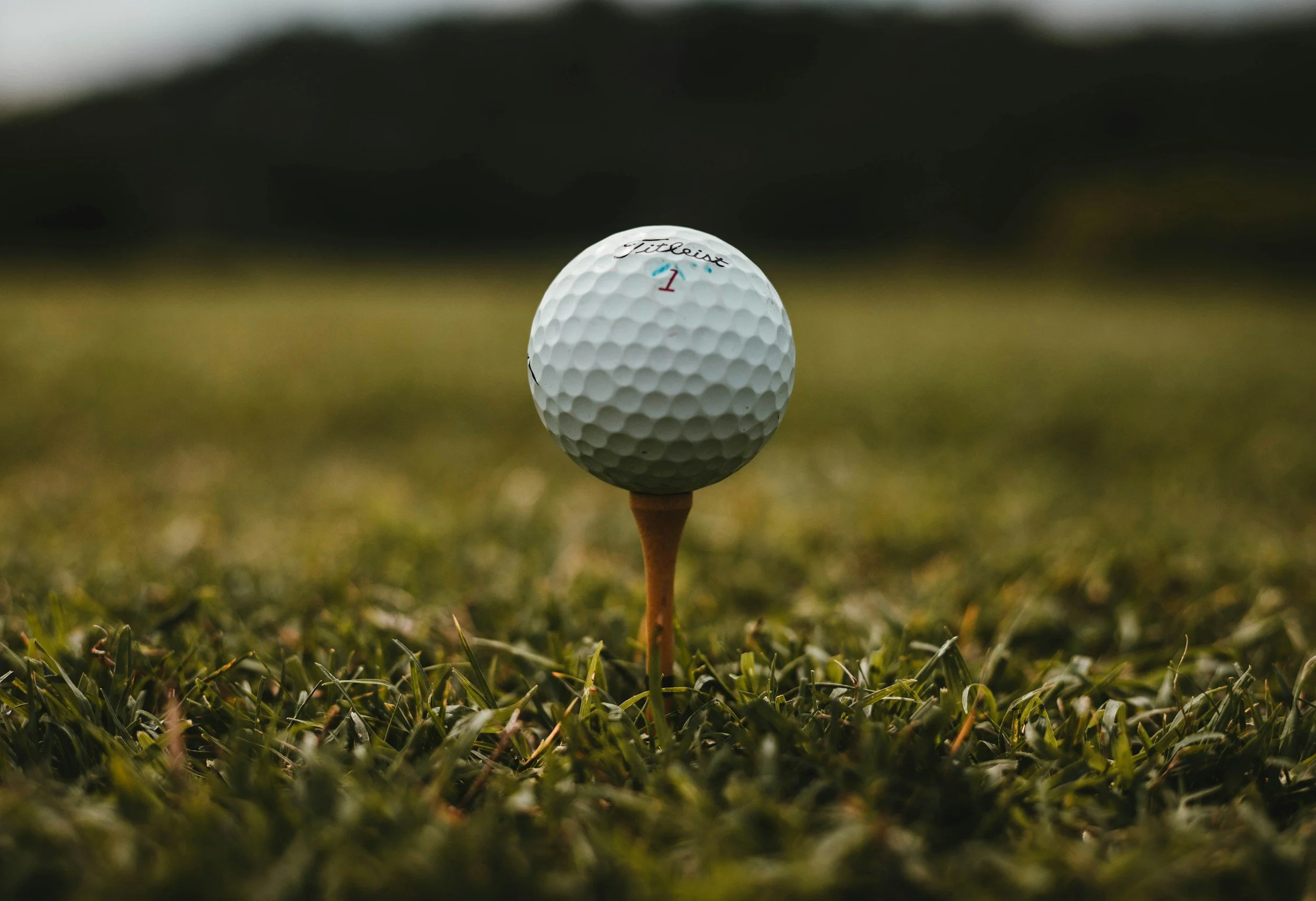
tees
comfortable clothes
golf shoes or stable athletic shoes
a place to practice or play
That is enough.
A beginner does not need a tour-level set of clubs or a bag filled with 14 options. A simple starter set, or even a partial set, is plenty. For many new golfers, a putter, a wedge, a short iron, a mid-iron, a hybrid or fairway wood, and a driver is more than enough to begin learning the game. Starting smaller can actually make golf less confusing because it teaches you to focus on making solid contact instead of obsessing over equipment.
Related: What is a Mud Ball in Golf?
The Best Way to Learn Golf at the Beginning
Most people think golf begins with the big swing. It usually should not.
A smart way to start is from the hole backward:
Learn to putt.
Learn short chips and pitches.
Learn half-swings.
Then build toward full swings.
This matters because the short game teaches feel, rhythm, and contact without demanding a violent motion. It also makes the game more enjoyable sooner. Beginners who can roll putts and hit small shots often feel less overwhelmed once they get onto the course. Instruction from golf professionals often emphasizes starting with the short game and learning from the green back toward the tee.
Start With a Lesson if You Can
One good lesson early can save months of confusion.
A qualified instructor can help with grip, posture, ball position, and basic swing motion before bad habits settle in. That does not mean you need a long and expensive training plan before you touch a golf course. It means a little direction early tends to help. Even one introductory session can make practice more productive because you know what you are trying to do and what “good enough” looks like for now.
For golfers who are learning on their own, video resources and beginner guides from governing bodies and teaching organizations can also provide a sound starting point for rules, etiquette, and basic mechanics.
Learn the Basic Parts of the Game
Golf becomes much less intimidating when you break it into smaller pieces.
1. Grip
Your grip is how your hands connect to the club. A neutral, comfortable grip helps the clubface return to the ball more consistently. Beginners often hold the club too tightly. Think firm enough to control it, light enough to stay athletic.
2. Stance and Posture
A balanced setup matters more than beginners realize. Stand athletic, bend from the hips, soften the knees, and let your arms hang naturally. Good posture does not guarantee a good shot, but poor posture makes good shots harder to repeat.
3. Aim
Many new golfers aim poorly without realizing it. Before worrying about a perfect swing, learn to aim the clubface where you want the ball to start and your body parallel to that line.
4. Tempo
The golf swing is not a lunge. It is a sequence. One of the fastest ways to improve is to swing with better rhythm instead of swinging harder.
5. Contact
Solid contact beats raw power. A golfer who hits the middle of the clubface with a shorter swing will often outperform the beginner who swings out of his or her shoes.
Where to Practice First
You do not need to jump straight into a full round.
The easiest entry points are:
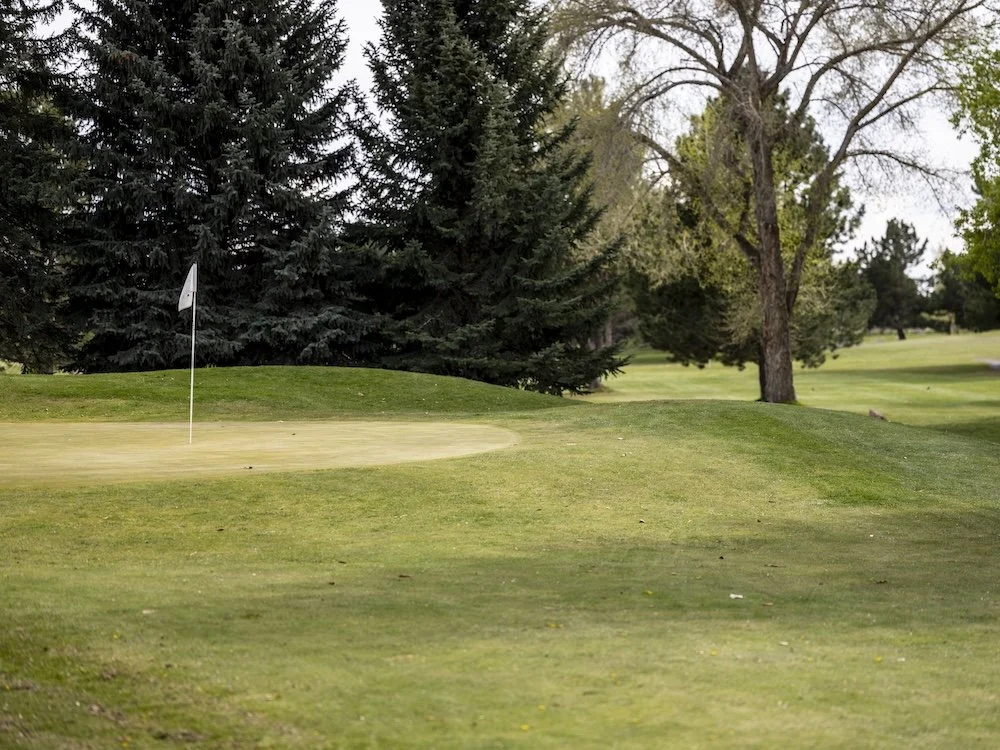
a practice green
a chipping area
a driving range
a short course
a par-3 course
a beginner-friendly public course
These environments reduce pressure. They let you learn one part of the game at a time. A practice green teaches speed and touch. A range teaches setup and contact. A short course helps you experience golf without being asked to hit long shots over and over. For many people, that is where the game first becomes fun.
How to Play Your First Round of Golf
Your first round should not be treated like an exam. It should be treated like an introduction.
Try this approach:
Play from beginner-friendly tees.
Keep expectations low.
Pick up when needed to keep pace.
Focus on a few simple goals: make contact, stay safe, keep moving, enjoy the walk.
There is no shame in dropping a ball near the green, skipping a difficult shot, or picking up after too many strokes on a hole. Beginners learn more from staying relaxed and engaged than from grinding through one disaster after another. Pace of play and basic awareness of others on the course matter more than pretending you are already experienced. Beginner etiquette guidance consistently emphasizes being ready to play, moving efficiently, and keeping up with the group ahead.
Golf Etiquette Matters More Than a Pretty Swing
A new golfer who is considerate is welcome almost anywhere.
That means:
be ready when it is your turn
stand safely away from other players
stay quiet during swings
repair ball marks on greens
rake bunkers when required
replace or fill divots when appropriate
do your best to keep pace
leave the course in good condition
Golf has traditions, yes, but most etiquette is really about respect: respect for the people around you and for the ground you are lucky enough to play on. Governing bodies and course-care guidance continue to stress that golfer behavior affects pace, playing conditions, and the enjoyment of others.
Do You Need to Know All the Rules Before You Play?
No. You need only a few basics to begin.
Start with these:
play the right ball
count your strokes honestly
know basic penalty areas and out-of-bounds concepts
understand that safety comes first
ask for help when unsure
The full Rules of Golf are detailed, but beginners do not need encyclopedic knowledge to get started. Learning the most common situations first is enough, and official beginner rules resources are built for exactly that purpose.
Should Beginners Keep Score?
They can, but they do not have to at first.
Some beginners benefit from scoring because it gives structure and helps them track progress. Others get discouraged by numbers before they have learned how to move around the course. A useful compromise is to track simple things:
fairway hit or not
green reached or not
total putts
one thing done well each hole
Later, once you are playing more regularly, a scoring record can become more meaningful. If you continue with the game, you may eventually want a handicap so you can measure progress and compete more fairly. Under the World Handicap System, scores over 9 or 18 holes can be submitted through the proper channels, and regular score posting helps produce a handicap that reflects playing ability.
What Clubs Should a Beginner Use?
This is where many people overspend.
A beginner-friendly setup often includes:
putter
sand wedge or pitching wedge
9-iron or 8-iron
7-iron
hybrid
fairway wood or driver
That is enough to learn distance gaps, ball flight, and basic course management. Beginners often hit hybrids more easily than long irons, and many are better off using the club they can control rather than the club they think they are supposed to hit.
The best club for a beginner is not always the longest one in the bag. It is the one that lets the golfer make a reasonable swing and find the ball afterward.
Common Beginner Mistakes in Golf
Every golfer makes these, especially early:
swinging too hard
buying too much equipment too soon
ignoring the short game
trying to copy advanced swings
expecting fast perfection
playing tees that are too long
refusing to pick up and move on
getting embarrassed by bad shots
A bad shot is not an identity crisis. It is a golf shot. The sooner a beginner learns that, the sooner the game opens up.
How to Get Better at Golf Without Making It Miserable
Improvement in golf does not usually come from one grand breakthrough. It comes from small repetitions that start to stack up.
A practical beginner improvement plan looks like this:
practice putting and chipping often
hit fewer balls with more purpose
focus on contact before distance
play from forward tees
learn one reliable shot shape
get comfortable with one pre-shot routine
take a lesson when stuck
play often enough to stay familiar with the feel of the game
The golfers who improve fastest are not always the most athletic. Often, they are simply the ones who stay patient and build the game in the right order. Recent instructional guidance continues to emphasize smart, focused practice over random volume.
Golf Is Hard. That Is Part of Its Charm.
There are easier hobbies. Few are as memorable.
Golf asks for attention. It asks you to be honest, adaptable, and occasionally forgiving of yourself. It gives you bad bounces, beautiful mornings, and the strange privilege of trying again. A newcomer can feel clumsy and enchanted in the same hour. A skilled player can feel exactly the same.
So if you are wondering how to start playing golf, here is the plain answer: start small, start humbly, and start now. Borrow some clubs. Take a lesson. Find a range. Roll a few putts. Hit a few short shots. Walk onto a course before you feel fully ready.
No one ever really feels fully ready in golf. That is one of the reasons people keep coming back.
FAQs About How to Start Playing Golf
1. What is the best age to start playing golf?
Any age is a good age to start. Golf is one of the most accessible lifetime sports, and people begin as children, teenagers, adults, and retirees. The best age to start is simply the age when you are ready to learn and enjoy the process.
2. Do I need expensive clubs to start golfing?
No. Beginners do not need premium equipment. A basic starter set or a partial set of clubs is enough to learn fundamentals, practice, and play early rounds.
3. How many clubs does a beginner need?
A beginner can start with far fewer than a full set. A putter, wedge, short iron, mid-iron, hybrid, and a wood or driver is plenty for most new players.
4. Is golf too hard for beginners?
Golf is challenging, but it is absolutely learnable. Beginners improve faster when they focus on grip, setup, short game, and solid contact rather than chasing distance or perfection.
5. Should I take golf lessons before I play my first round?
A lesson first can help, but it is not required. Even one beginner lesson can give you a better grip, posture, and understanding of basic motion, which can make your first rounds more enjoyable.
6. Where should I practice golf as a beginner?
Start at a putting green, chipping area, or driving range. A short course or par-3 course is also an excellent next step because it gives you real on-course experience without demanding long, difficult shots.
7. What is the most important part of golf for beginners to practice?
The short game. Putting, chipping, and short pitches teach touch, contact, and confidence. They also help new golfers enjoy the game sooner.
8. Do beginners need to keep score?
Not always. Some beginners prefer to focus on contact, pace of play, and learning the flow of the game before worrying about score. Others like keeping a simple scorecard for progress.
9. How long does it take to get decent at golf?
That depends on how often you practice and play, but most golfers see meaningful progress when they practice consistently and focus on fundamentals. In golf, “decent” often starts with better contact, fewer wasted shots, and more confidence around the green.
10. Do I need to know all the rules of golf before playing?
No. Learn the basics first, especially safety, honesty in scoring, and a few common rules situations. You can build your rules knowledge as you play more.
External Sources
Recent Writings